
2026 Driveway Trends in Natick, MA: Cobblestone Aprons, Permeable Pavers & the Curb Appeal Upgrades Worth Your Money
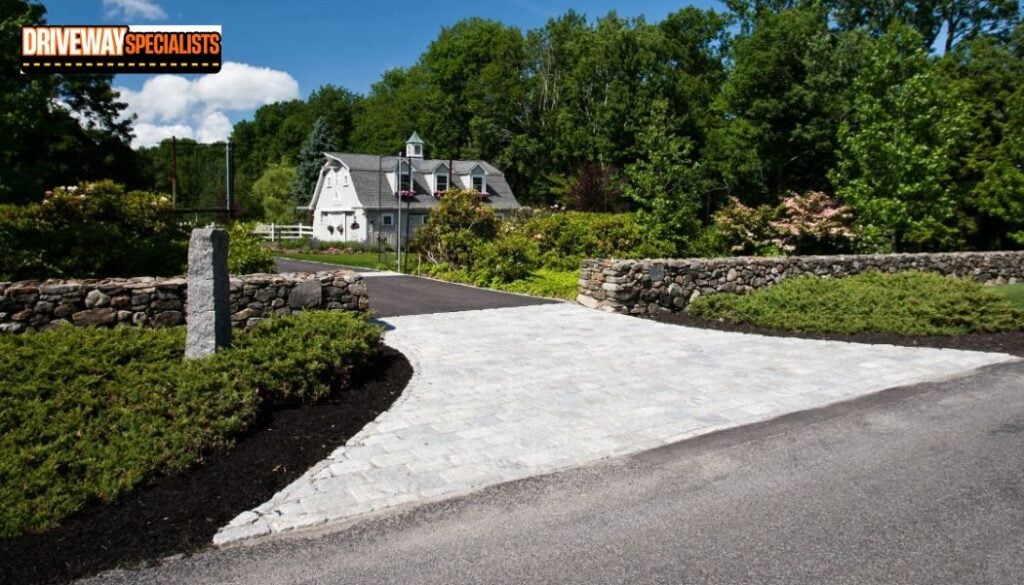
If your driveway still looks like it did in 2015, you’re not alone, but you’re also leaving curb appeal (and resale value) on the table. 2026 has brought a real shift in how homeowners think about driveways: less “slab of asphalt,” more “designed entrance.” Bigger pavers. Warmer stone tones. Smarter drainage. And a return to the kind of timeless detailing, like a cobblestone apron, that a plain asphalt edge just can’t match.
Here in Natick and the surrounding MetroWest towns, that shift matters more than most places. Our driveways go through brutal freeze-thaw cycles every winter, so a trend only makes the cut here if it actually holds up to New England weather, not just Pinterest.
Here’s what’s genuinely worth doing to your driveway in 2026, and what’s on its way out.
The Driveway Trends Actually Worth Doing in 2026
1. Cobblestone Aprons and Edging Are Back, For Good Reason
The single biggest shift we’re seeing in 2026 isn’t new material, it’s homeowners paying attention to the transition between the street and the driveway. A cobblestone apron at the entrance instantly upgrades an asphalt driveway without the cost of repaving the whole surface. It’s the difference between a driveway that looks maintained and one that looks like every other house on the street.
Cobblestone edging does the same job along the sides, defining clean borders, stopping asphalt or gravel from creeping into the lawn, and giving the whole driveway a finished, intentional look. Natural granite cobblestone is the material of choice because it shrugs off New England’s freeze-thaw cycles better than concrete pavers, which can crack and shift after a few brutal winters.
2. Permeable Paving Is Moving From “Nice-to-Have” to Standard
Stormwater management is no longer just an environmental talking point. More municipalities are tightening stormwater and runoff regulations, pushing homeowners and contractors toward permeable pavers and permeable asphalt or concrete systems. Even a permeable section near the garage apron can help reduce ice buildup and standing water.
For MetroWest homeowners, this is worth considering even if you’re not installing a full permeable driveway. A permeable border or apron section can solve drainage issues without requiring a complete property overhaul.
3. Bigger Pavers, Simpler Patterns
Not every trend is worth chasing. Homeowners and designers are moving away from loose gravel, plain asphalt, and stamped concrete with acrylic sealers, all options that look affordable upfront but come with ongoing maintenance and repair costs. High-gloss acrylic sealers in particular are falling out of favor since they can become slippery when wet and develop a milky white “blush” over time. A low-sheen or matte finish is now considered a more practical long-term choice, according to Driveway Specialists.
4. Driveways Are Being Designed as Part of the Entrance, Not an Afterthought
Homeowners in 2026 are increasingly treating driveways as an extension of the home’s architecture rather than a purely functional space, coordinating paver tone with siding, adding edge lighting, and planning layouts that account for how the family actually uses the space, including multiple vehicles, EV charging, and guest parking.
5. Freeze-Thaw Resistance Is Non-Negotiable in New England
Whatever material or pattern you choose, it has to survive a Massachusetts winter. That means proper base preparation, compacted gravel, correct grading, and drainage planning, matters more than the surface material itself. A gorgeous paver driveway installed on a shallow base will heave and crack by year two. This is the number one reason DIY or budget driveway jobs fail here.
What's Fading Out in 2026
Not every trend is worth chasing. Homeowners and designers are moving away from loose gravel, plain asphalt, and stamped concrete with acrylic sealers, all options that look affordable upfront but come with ongoing maintenance and repair costs. High-gloss acrylic sealers in particular are falling out of favor since they can become slippery when wet and develop a milky white “blush” over time. A low-sheen or matte finish is the better long-term choice.
Cobblestone Apron vs. Full Driveway Repaving: Which Do You Actually Need?
If your driveway surface is structurally sound but looks dated, a cobblestone apron and edging upgrade is the highest-ROI move, it transforms the entrance for a fraction of the cost of a full repave. If the surface itself is cracked, sunken, or drains poorly, that’s a sign you need to start with a proper driveway paving project first, then layer in cobblestone detailing at the entrance and edges.
Either way, the fix always starts below the surface, base prep, grading, and drainage, not the material on top.
Conclusion
The 2026 driveways that actually hold up in Natick and MetroWest aren’t the ones chasing every trend, they’re the ones built on solid base prep, proper drainage, and durable materials, with details like a cobblestone apron doing the visual heavy lifting. Whether you need a full repave or just want to upgrade your entrance, the fix starts with getting the fundamentals right. If you’re planning a driveway upgrade or want expert guidance on the right materials and design for your property, contact us today to get started on a solution built to last.
Frequently Asked Questions
What's the most popular driveway trend for 2026?
Cobblestone aprons and permeable paving are the two biggest trends this year, cobblestone for curb appeal and timeless character, permeable systems for stormwater control as local regulations tighten.
Is a cobblestone apron worth it if my driveway is asphalt?
Yes. A cobblestone apron pairs well with an asphalt driveway and is one of the most cost-effective ways to upgrade curb appeal without repaving the entire surface.
How long does a cobblestone apron installation take?
Most cobblestone apron and edging projects take 1–3 days, depending on project size, base preparation needs, and weather.
Do cobblestone driveways hold up in New England winters?
Natural granite cobblestone is specifically chosen for freeze-thaw durability, making it one of the most reliable materials for Massachusetts winters when installed with proper base preparation.
What driveway trends should I avoid in 2026?
Loose gravel without a grid system, plain asphalt with no edging, and high-gloss acrylic sealers are all trending down due to high maintenance costs and durability issues.