
Asphalt Driveway Cost in Massachusetts (2026): Trends, Timing & What Homeowners Should Know Before They Pave
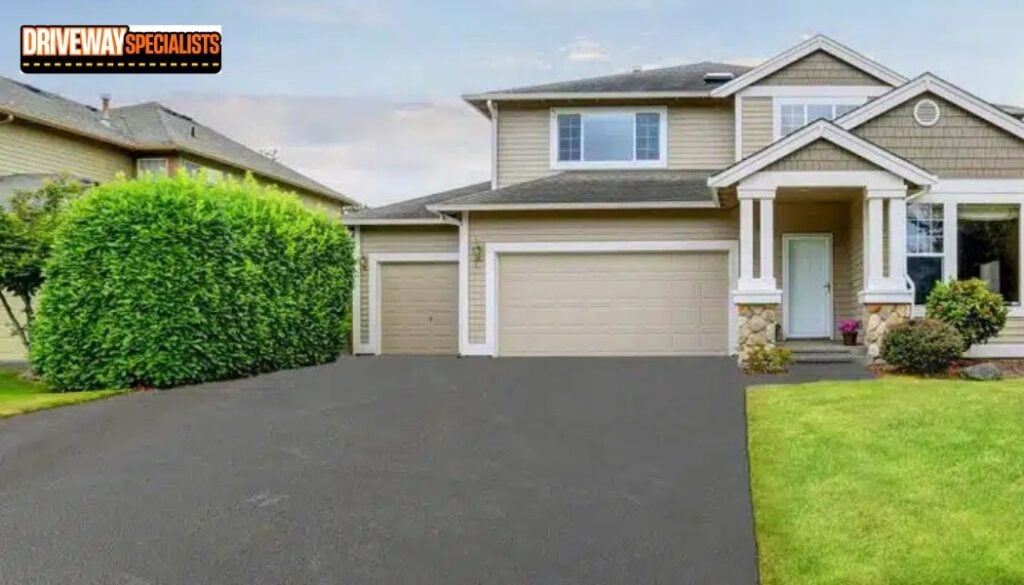
If you’ve been putting off repaving your driveway, 2026 is a year where waiting actually costs you more. Asphalt prices have climbed 12–15% since last year, permeable and recycled-material paving is becoming the local standard, and Massachusetts homeowners are asking sharper questions about drainage after another brutal freeze-thaw winter. Here’s what’s actually changing, and what it means for your driveway.
Why Driveway Costs Are Rising in 2026
Liquid bitumen (the “glue” that holds asphalt together) has gotten more expensive, and labor availability is tighter across New England contractors. Industry pricing data shows asphalt running roughly $115–$155 per ton depending on the season, with winter and fall carrying the steepest premiums because supply is limited and demand for emergency repairs spikes, according to Driveway Specialists.
What this means for you: Spring and summer remain the most cost-effective and technically ideal windows to pave in Massachusetts. Asphalt compacts and cures best in warm, dry conditions, and contractor scheduling is more predictable before the fall repair rush hits.
The Big Shift: Smarter Materials, Not Just Bigger Projects
Homeowners used to think “repave the whole driveway” was the only fix. That’s changing. Three trends are reshaping how driveways get built and repaired in 2026:
1. Recycled Asphalt Pavement (RAP) and Warm-Mix Asphalt
Contractors are blending reclaimed asphalt with virgin material at higher ratios than ever, cutting costs without sacrificing durability. Warm-mix asphalt also requires lower production temperatures, which means faster curing and a smaller environmental footprint, something increasingly relevant for eco-conscious Massachusetts homeowners.
2. Drainage-First Design
Standing water is still the number-one cause of premature driveway failure, it weakens the base, accelerates freeze-thaw cracking, and undermines even a perfectly poured surface. In 2026, more contractors are grading with a consistent 1–2% slope, adding trench or channel drains where needed, and reinforcing edges so vehicles don’t create soil breakdown at the driveway’s perimeter. If you’ve noticed pooling near your garage threshold, that’s your driveway telling you the grading needs attention, not just a fresh seal coat.
3. Hybrid Material Driveways
Rather than choosing purely asphalt or purely pavers, more homeowners are combining materials: a concrete or paver apron near the street (which takes the most turning stress) paired with an asphalt run for the rest of the driveway. This hybrid approach spreads cost over time and gives you the durability of concrete where it matters most.
Asphalt vs. Pavers in 2026: Which Actually Makes Sense?
Design trends are pushing homeowners toward pavers and stone for curb appeal, but asphalt remains the practical choice for most Massachusetts homes for a few concrete (no pun intended) reasons:
Factor | Asphalt | Pavers |
Upfront cost | Lower | Higher |
Repair cost | Lower, faster patching | Higher, but modular |
New England freeze-thaw performance | Excellent (flexible pavement) | Good, if base is engineered well |
Maintenance | Seal coating every 2–3 years | Occasional joint sand/re-leveling |
Best for | Driveways, larger surfaces | Walkways, accents, aprons |
Asphalt’s flexibility is exactly why it outperforms rigid materials during Massachusetts winters, it bends slightly with ground movement instead of cracking outright, which is a real advantage over concrete in our climate.
How Long Should a New Asphalt Driveway Last?
A properly installed asphalt driveway, with correct base prep, grading, and drainage, typically lasts 15 to 20 years, with a seal coat recommended every 2–3 years to protect the surface. Most “premature failures” people blame on asphalt itself actually trace back to poor base preparation or water management, not the asphalt mix. This is why the prep work (removing organic material, compacting a proper stone base, and grading for drainage) matters more than the surface layer itself.
Signs You Need Repair vs. Full Replacement
- Hairline cracks, minor fading: Seal coating is usually enough.
- Alligator cracking, sinking sections, or potholes: These signal base failures, an overlay won’t fix it long-term, and full replacement is usually the smarter investment.
- Water pooling near the garage or edges crumbling where cars turn: Drainage and grading issue, needs to be addressed before any resurfacing, or the new surface will fail the same way.
Conclusion
2026 isn’t just about repaving what’s cracked, it’s about paving smarter. Better drainage design, recycled and warm-mix materials, and hybrid layouts are helping Massachusetts homeowners get more life out of every dollar spent. Whether your driveway needs a seal coat, a full tear-out, or a second opinion on that “quick patch” a contractor quoted you, the base work is what determines whether it lasts 5 years or 20.
Driveway Specialists has been paving Norfolk and Middlesex County driveways since 1988, three generations of family-run expertise, with owners personally overseeing every job. If you’re planning a driveway project this season, get your free estimate today and get a straight answer on repair vs. replace before you spend a dollar.
FAQ: Driveway Paving in Massachusetts
How much does a new asphalt driveway cost in Massachusetts in 2026?
Costs vary by square footage, base condition, and drainage needs, but expect asphalt pricing pressure from higher material costs this year. The most accurate number comes from an on-site evaluation, since grading and demolition needs can shift the total significantly.
What's the best time of year to pave a driveway in New England?
Late spring through summer. Asphalt needs warm, dry conditions to compact and cure properly, and contractor availability is better before the fall rush.
How long do I need to wait before driving on a new asphalt driveway?
At least 24-48 hours for a standard passenger vehicle, and it’s smart to wait an extra day in peak summer heat to let the binder fully set.
Can I pave over my existing driveway instead of a full replacement?
Only if the base is stable. If there’s deep sinking or alligator cracking, an overlay will fail within a few years, it’s covering a problem, not fixing it.
Is asphalt or pavers better for a Massachusetts driveway?
Asphalt generally wins on upfront cost, repair speed, and freeze-thaw flexibility for full driveways. Pavers shine for walkways, aprons, and accent areas where design and modularity matter more than raw square footage.
How often should I seal coat my asphalt driveway?
Every 2–3 years, depending on sun exposure, traffic, and how well the driveway was graded for drainage.