
How Driveway Paving and Cobblestone Aprons Can Transform Your Home's Curb Appeal
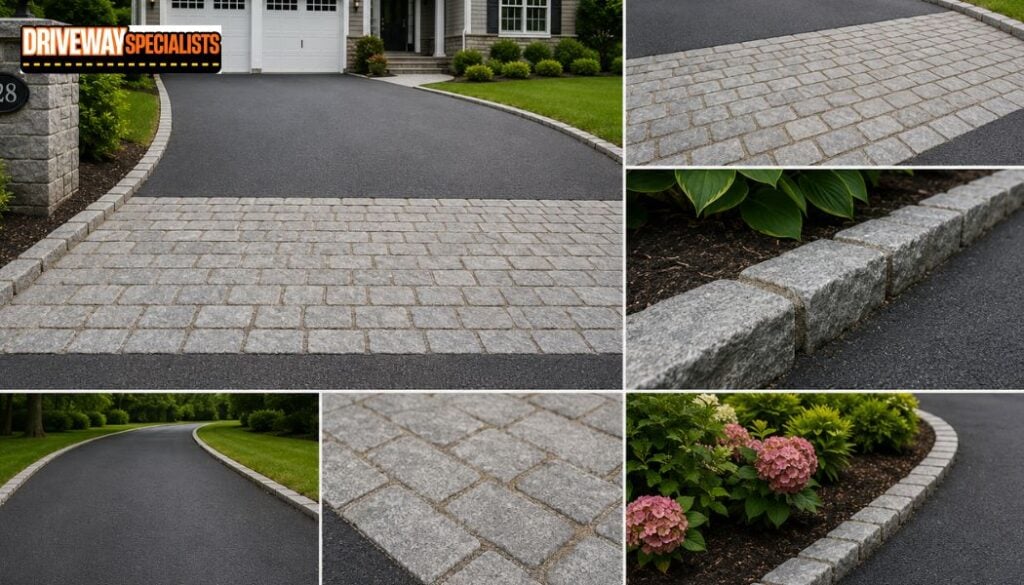
If your driveway looks tired, cracked, or plain, you’re leaving real value on the table. A well-paved driveway combined with a cobblestone apron and edging is one of the most impactful upgrades a Massachusetts homeowner can make. It boosts curb appeal, raises property value, and creates that polished first impression every guest and potential buyer notices.
At Driveway Specialists, we’ve been helping homeowners across Natick, MA and surrounding towns since 1988. In this guide, we’ll walk you through what driveway paving and cobblestone aprons actually involve, what you should expect from the process, and how to choose the right solution for your property.
What Is Driveway Paving - and Why Does It Matter?
Driveway paving is more than just laying down asphalt. It’s a structural project that, when done correctly, creates a smooth, safe, and long-lasting surface designed to handle everyday vehicle traffic, harsh New England winters, and the freeze-thaw cycles that damage poorly built driveways season after season.
There are three main paving options homeowners in Massachusetts typically consider:
Asphalt is the most popular and cost-effective choice. It’s flexible, handles freeze-thaw cycles well, and can be resealed over time to extend its life. A properly installed asphalt driveway lasts 15 to 20 years with basic maintenance.
Concrete offers a cleaner, more modern look and typically lasts 25 to 30 years. It requires less routine maintenance than asphalt but costs more upfront. Concrete can also be stamped or textured for a decorative finish.
Paver driveways use individual brick, stone, or concrete units set in a pattern. They’re the most visually striking option and allow for easy repairs since individual pavers can be replaced without disturbing the entire surface. They also handle drainage exceptionally well.
No matter which material you choose, the foundation beneath it is what really determines how long your driveway lasts. Proper excavation, compacted gravel base installation, and accurate grading for drainage are the steps that separate a driveway that holds up for decades from one that cracks within a few years.
What Are Cobblestone Aprons and Edging?
A cobblestone apron is the decorative stone section installed at the very entrance of your driveway, typically where the driveway meets the street. It creates a distinct visual transition that immediately elevates the look of your property.
Cobblestone edging runs along the borders of your driveway, defining the edges with clean, structured lines. Together, an apron and edging frame your driveway the way a mat frames a painting, they make everything look intentional and finished.
The most commonly used materials are natural granite cobblestones, tumbled cobblestones, and Belgian blocks. Each has a slightly different character. Granite is the most durable and weather-resistant. Tumbled cobblestones have a softer, more aged appearance. Belgian block offers a refined, uniform look that pairs especially well with modern or traditional New England architecture.
Beyond aesthetics, cobblestone aprons and edging serve practical purposes. They prevent the edges of your asphalt or paver driveway from crumbling outward, they define drainage paths, and they hold their shape through years of ground movement and seasonal weather changes.
The Installation Process: What to Expect
Many homeowners feel unsure about what a paving or cobblestone project actually involves day-to-day. Here’s a simple overview of how Driveway Specialists approach every project.
The process starts with a free consultation and site assessment. We look at your existing driveway condition, grading, drainage patterns, and what materials will work best for your property’s specific layout and soil conditions. We also walk through design options for your cobblestone apron, stone type, laying pattern, and how it will tie into the rest of your driveway.
Once the plan is agreed upon, we handle all ground preparation. For driveway paving, this means excavating the old surface if needed, grading the subbase, and compacting a crushed stone foundation before any paving material goes down. For cobblestone work, it means excavating the apron area, preparing a stable compacted base, and setting the stones precisely with proper joint filling.
Most residential driveway projects are completed in 2 to 5 days. Cobblestone apron and edging installations typically take 1 to 3 days depending on size. We handle site cleanup as part of the job.
Why Homeowners in Natick MA Choose Driveway Specialists
The greater Natick and MetroWest area has specific demands that not every contractor understands. New England’s freeze-thaw cycles are particularly hard on driveways. Water works into cracks, freezes, expands, and over time turns small problems into large ones. Materials, base preparation, and installation techniques all need to account for this reality.
We’ve been working in this region since 1988, and that local experience shows in the quality of every installation. We understand local permitting, soil conditions, and design preferences. We use premium materials and proven installation methods that are built specifically for this climate.
We serve communities across the region including Natick, Wellesley, Newton, Needham, Framingham, Wayland, Sudbury, Lexington, Waltham, Westwood, and many more.
Conclusion
Your driveway is one of the first things people notice about your home. A cracked, faded surface sends the wrong message. A professionally paved driveway finished with a cobblestone apron and clean edging sends a clear one: this home is well cared for.
Whether you’re starting fresh with a brand-new driveway, replacing an aging surface, or simply adding the finishing touch of cobblestone edging to a driveway you already love, Driveway Specialists bring the experience, materials, and craftsmanship to get it right the first time.
We’ve served Massachusetts homeowners since 1988, and we back every project with a commitment to quality that holds up season after season.
Frequently Asked Questions
What is the difference between a cobblestone apron and cobblestone edging?
A cobblestone apron is installed at the entrance of your driveway where it meets the street. It’s a wider section of decorative stone that creates a grand transition. Cobblestone edging runs along the sides of your driveway and defines its borders with clean, structured lines. Many homeowners install both together for a complete, polished look.
Can cobblestone aprons be added to an existing asphalt driveway?
Yes. Cobblestone aprons and edging are commonly added to existing paved driveways without replacing the whole surface. We integrate the stonework seamlessly with your current driveway material.
How long does cobblestone installation last?
Natural granite and Belgian block cobblestones are extremely durable. When installed on a properly prepared base, a cobblestone apron or edging installation can last 30 to 50 years or more with minimal maintenance.
What maintenance does a new asphalt driveway require?
Asphalt driveways benefit from sealcoating every 3 to 5 years, which protects against moisture, UV damage, and cracking. Crack filling should be done as soon as cracks appear to prevent them from spreading. With this basic care, an asphalt driveway typically lasts 15 to 20 years.
How do I know if I need a full driveway replacement or just repairs?
If your driveway has widespread cracking, significant settling, drainage problems, or is more than 20 years old, replacement usually makes more sense than repeated repairs. For isolated cracks or surface wear, repair and resurfacing may be sufficient. We assess your driveway during the free consultation and give you an honest recommendation.