
Parking Lot Paving in Canton, MA
A parking lot in poor condition is not a cosmetic problem. It’s a trip hazard, a complaint waiting to happen, an insurance question, and for most visitors the first thing they see before they ever reach your door. In Canton, where a lot of commercial and condo properties sit on sloped lots left over from post-war subdivisions, or on newer sites built into the grade near the Blue Hills, that condition is tied directly to how water moves across the pavement, not just how old it is.
A lot usually can’t close for paving the way a driveway can. We plan around that from the first visit, working lots in sections, often overnight or on weekends, so drive lanes, deliveries and customer access keep running while one area is down. A property manager or trustee doesn’t need the whole lot out of service to get the work done.
What a commercial scope actually covers
A driveway is one surface, one grade, one entry point. A commercial lot is a system. Traffic flow and circulation have to work for the vehicles that actually use the property, not just look fine on paper. Accessible spaces and access aisles need to sit on grades and surfaces that hold up. Striping and signage have to be replaced as part of the job, not treated as a separate line item later. Catch basins and other drainage structures need to tie into the paving plan, because on a sloped Canton lot, a catch basin set at the wrong elevation defeats the rest of the work. Curbing and islands define circulation and protect edges from plow damage. And the loading area, wherever delivery trucks sit and turn, takes more punishment than any other section of the lot and often fails first.
Before we quote anything, we assess the lot section by section. On a property with real grade change, that means mapping where water collects, where the base has already failed under repeated freeze-thaw cycles, and where the surface is sound. Most lots need a mix of treatments: structural repair where the base is gone, overlay where it isn’t, and sealing where the only issue is surface wear. Putting one overlay across a lot with mixed failure underneath is a short-term decision; the failed sections will telegraph through again, usually within a season or two. We’ll tell you plainly when that’s the case rather than quote the cheaper option and let it fail early.
For a property manager, HOA trustee or facilities contact, the harder part is often not the paving, it’s getting an owner, board or insurer to sign off. We document the lot’s condition by section so you have something concrete to bring to that conversation, not just a verbal estimate.
Call (413) 337-3772 to arrange an assessment of your Canton lot.


What Our Clients Say
Keeping the lot open while we work
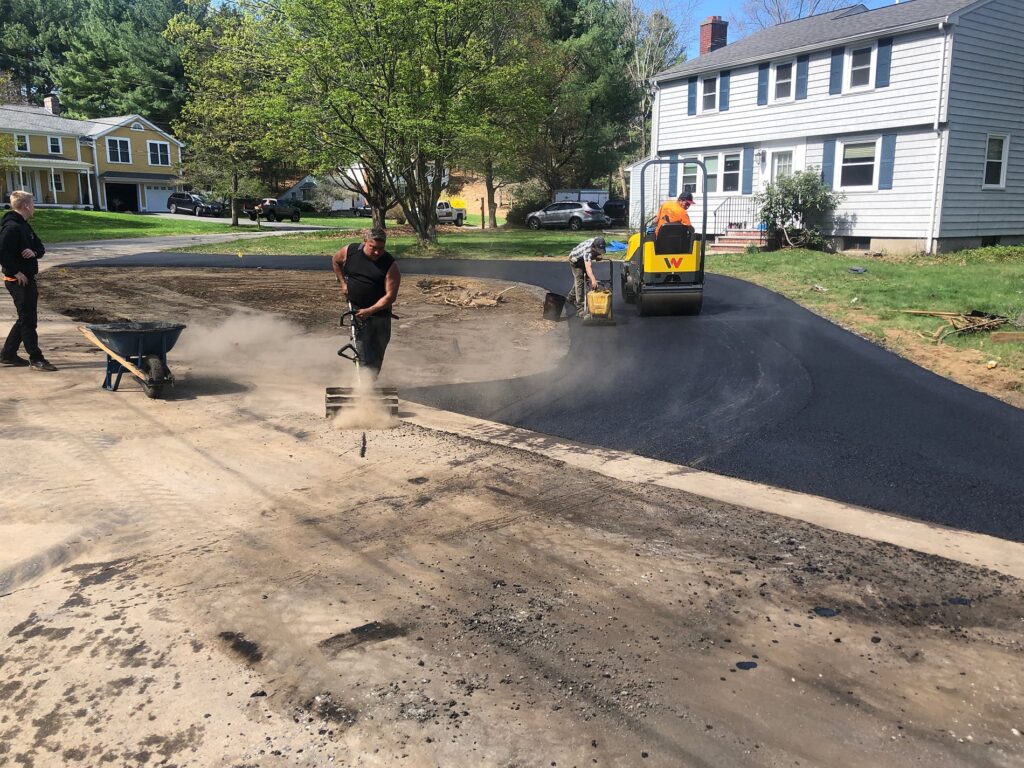
A commercial lot cannot simply close. Tenants need to get home, staff need to get in, and deliveries arrive whether or not you are paving. The job is planned around that.
Half-and-half
We work the lot in sections, so one part is always usable while the other is down. Sections are cut off with clear barriers and signage, and we move the work across once the first section is ready for traffic. It takes more planning than closing everything, but it is usually the only workable approach for an occupied property.
Overnight and weekend work
Some lots have a busy period that cannot be disturbed, such as a retail or office frontage or a multi-unit building at the morning rush. We can schedule work outside those hours. We agree the sequence with you in advance so nobody finds a closed lot without warning.
Access and deliveries
Before work starts, we ask what has to keep moving:
- Which entrance and which bays do delivery vehicles use?
- Where do waste and recycling trucks stop, and when?
- Do any tenants or residents need guaranteed access for mobility reasons?
- Where can staff and visitors park while a section is closed?
The answers set the order of the work. A loading area that is busy at a known hour gets worked when it is quiet.
What a commercial scope includes
A commercial lot is not a large driveway. It carries different traffic and has different obligations, and the scope reflects that.
- Traffic flow and circulation: How vehicles enter, turn and leave decides where the surface wears out. We look at the lot as a circulation pattern, and we raise it if the layout is causing the damage.
- Accessible spaces and access aisles: These are part of the scope, not an afterthought, and they are laid out and marked as part of the work.
- Striping and signage: Fresh surface needs fresh markings, and the markings are what tell drivers where to go.
- Catch basins and drainage structures: A basin that is silted up or sitting at the wrong height will undo new paving. We check them and repair them as part of the job.
- Curbing and islands: Broken or displaced curbing channels water the wrong way and gives plows something to catch. It is dealt with before the surface goes down.
- The loading area: This is where the heaviest vehicles turn, stop and sit, and it takes the most punishment on any lot. It often needs different treatment from the rest.
Assessment before we quote
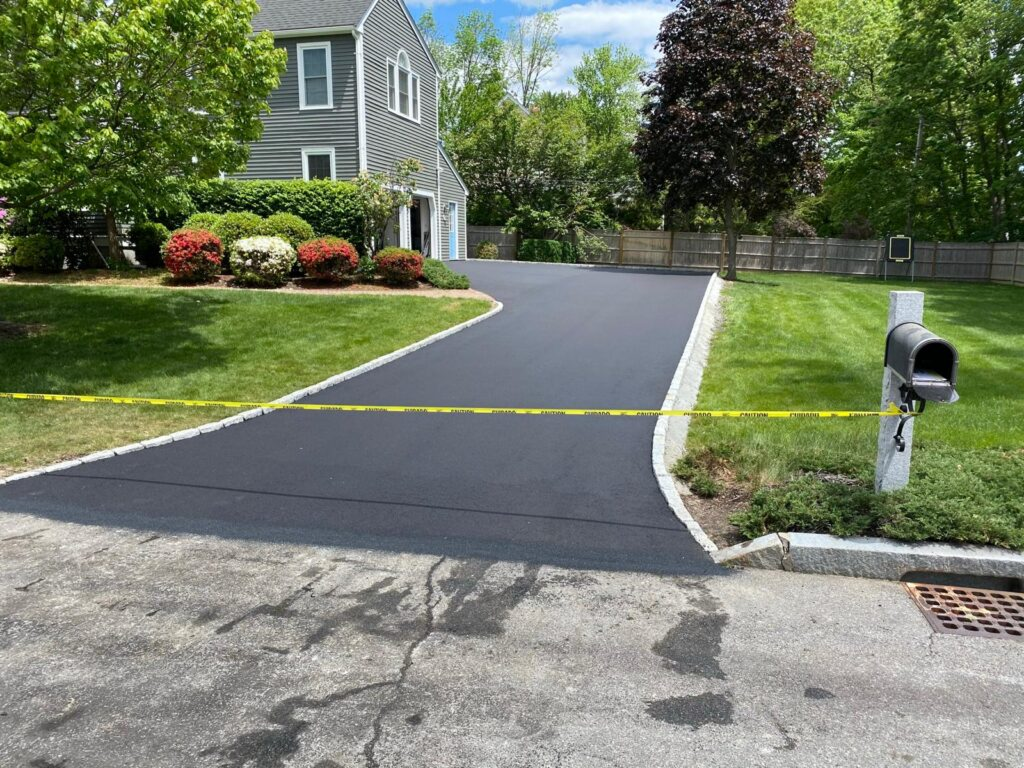
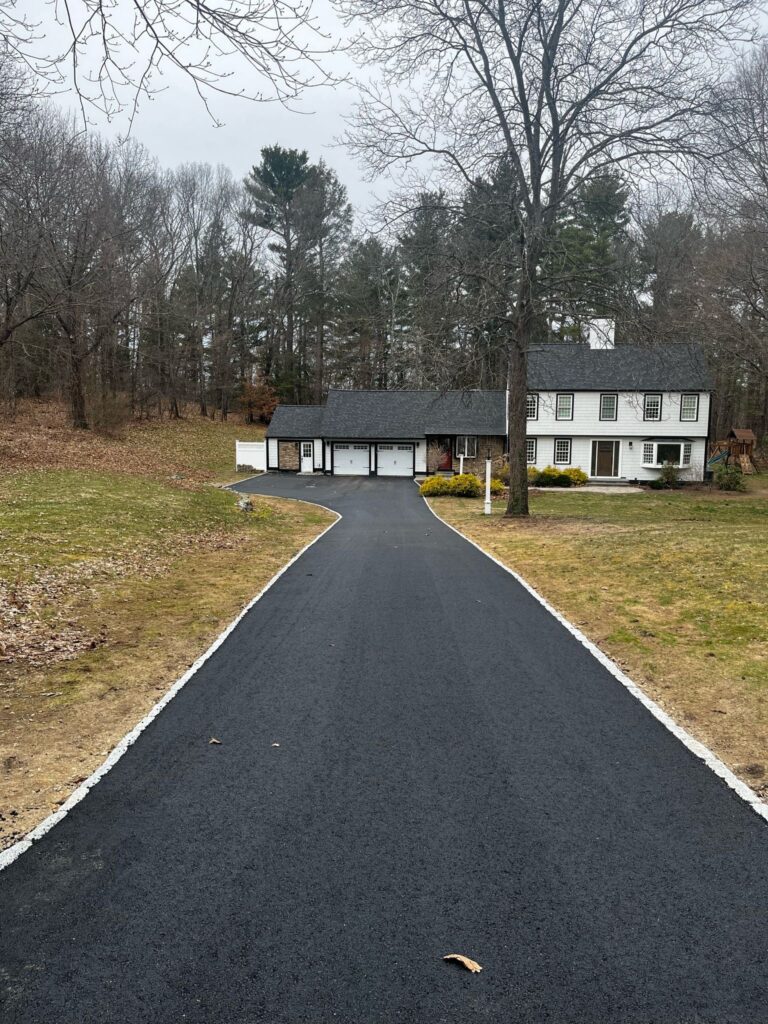
We do not price a lot from the road. We walk it, because the quote depends on what is actually wrong and where.
How failure is mapped
We mark the lot area by area: where the surface is cracked but sound, where it has been undermined from below, where water stands, and where edges have broken away. Each of those has a different cause and a different fix.
Why a lot is zoned
A lot is almost never one problem, so one price for the whole thing is usually wrong. Areas in good shape may only need repairs and a new coat. Areas that have failed underneath need to be taken out and rebuilt. Drainage trouble spots need to be fixed at the source. Most lots need a mix of these. We would rather tell you that plainly than quote a single figure that hides it.
One honest warning: a single overlay across sections that have failed underneath is a short-term decision. The overlay follows the surface below it, so the cracks and low spots come back through. It can be the right call when money is tight and the property will change hands or be redeveloped. It should be a choice you make knowingly, not one made for you by a flat quote.Most lots need a mix of these. We would rather tell you that plainly than quote a single figure that hides it.
Documentation you can put in front of others
A manager or trustee usually has to justify the spend to someone else. We give you something to show them:
- A written scope that lists each zone and what will be done to it
- A marked-up plan of the lot showing the zones, sections and phasing
- A clear sequence of work, so the board or owner can see how the lot stays in use
- Photographs of existing conditions before work starts, which are useful if a question comes up later
You can pass these to an owner, a board or an insurer without having to translate them.
Canton properties this applies to
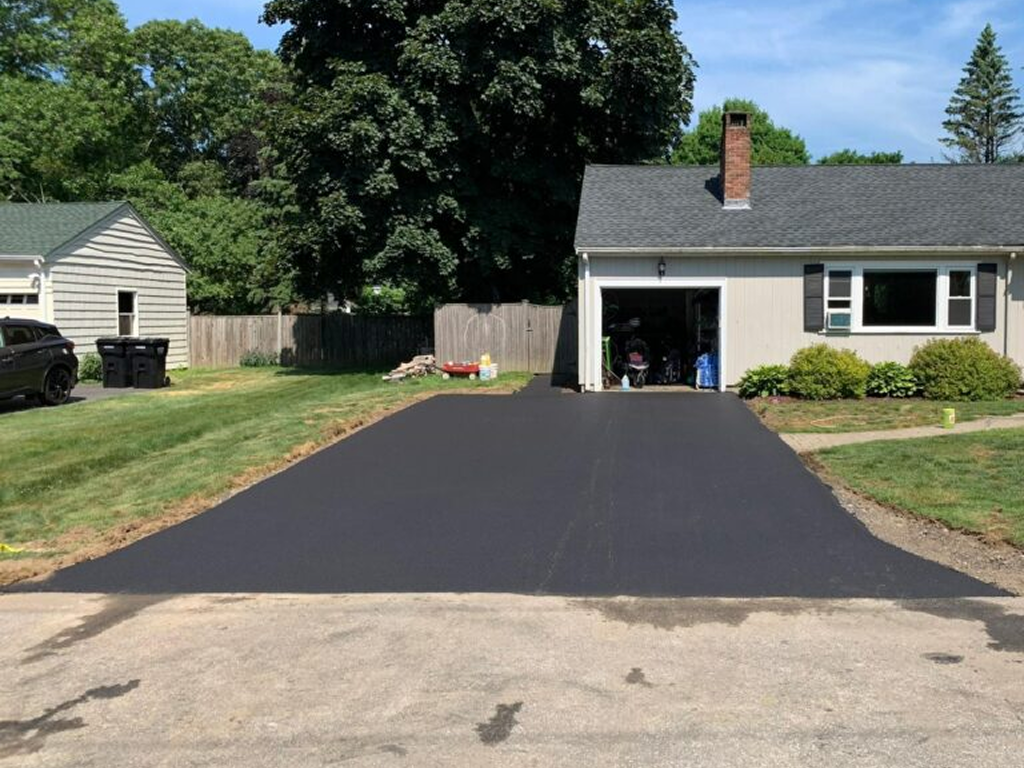
Canton is not a place of large, flat parking fields. The properties here have particular problems, and the work follows from them.
Post-war subdivision lots
Many Canton commercial properties sit on lots cut from older subdivisions, with slopes that were graded for houses, not traffic. Water has to be managed across the whole lot, not just at the low corner.
Blue Hills-side grades
Properties on the Blue Hills side of town carry real elevation change across the parking field. Catch basins, swales and curb cuts have to be sized for that grade, not placed as an afterthought.
Newer construction sites
Lots built more recently often have better base work already in place, but drainage structures installed for a smaller original building can struggle once a lot is expanded or re-striped for more spaces.
Frequently Asked Questions
Can you repave our lot without closing it?
Most Canton properties need the lot to stay open during business hours, so we phase the work in sections, often overnight or over a weekend, and keep drive lanes open while one area is down.
Why does our lot need different treatments in different areas instead of one price?
A single overlay across a lot with mixed failure is a short-term fix. Sections holding up well may only need sealing or minor patching, while failed sections under heavy traffic, like loading areas, need full-depth repair. Pricing follows what's actually under each section.
What does a commercial scope include that a driveway doesn't?
Traffic flow and circulation, accessible spaces and access aisles, striping and signage, catch basins and other drainage structures, curbing and islands, and the loading area, which typically takes the most punishment of any part of the lot.
Can you provide documentation for our board or insurer?
Yes. We can map the condition of the lot by section and put together documentation that a property manager, HOA board, or insurer can review before any work is approved.
We treat it as one lot with two users. The written scope states what is done and where, and phasing keeps both sides able to get in and out. That gives you something concrete to agree on before anyone commits to the cost.
Next step
Call us on (413) 337-3772. Tell us about the lot, who uses it and what has to keep running. We will arrange a walk of the property and give you a zoned scope and quote you can take to your owner, board or insurer.