
Foundation Work in Natick, MA
Water coming through a basement wall after heavy rain. A damp patch in the corner that never fully dries, even in August. A section of foundation that bows, flakes, or has started to crumble at the mortar joints. None of that is a cosmetic problem, and none of it gets fixed from the inside.
This is a different job from a driveway or a patio, and it has to be approached differently. The work happens outside the house, at the wall itself, and the goal is to stop water from reaching the foundation in the first place rather than manage it once it is already inside.
Why older Natick foundations fail this way
A lot of the housing stock around Natick, from the dense older streets near the center to the lakeside lots closer to the water, sits on foundations that predate any kind of exterior waterproofing membrane. Fieldstone and rubble construction, sometimes parged with a thin coat of cement, was never meant to be watertight on its own. There is usually no membrane and no perimeter drain at the footing. Water does not go under these walls. It moves through them, along mortar joints and through the stone itself, pushed by hydrostatic pressure every time the ground around the house saturates.
Newer construction in the South Natick subdivisions is a different story structurally, with poured concrete and sometimes a working perimeter drain already in place. But even there, a drain can silt up, a downspout can be dumping water against the wall instead of away from it, or grading can have settled toward the house over the years instead of away from it. The symptom looks the same from inside the basement. The cause has to be found outside.
Interior sealants and coatings get sold as a fix because they are fast and relatively cheap, and they do change what you see on the inside wall. They do not change what is happening in the soil outside. Water still reaches the wall, still sits against it, still finds the next weak point. Treating the outside is the only way to treat the actual cause, and it means excavation, which means cost and some disruption to the yard. Worth being honest about that upfront rather than after a hole is already open.


What Our Clients Say
What the work actually involves
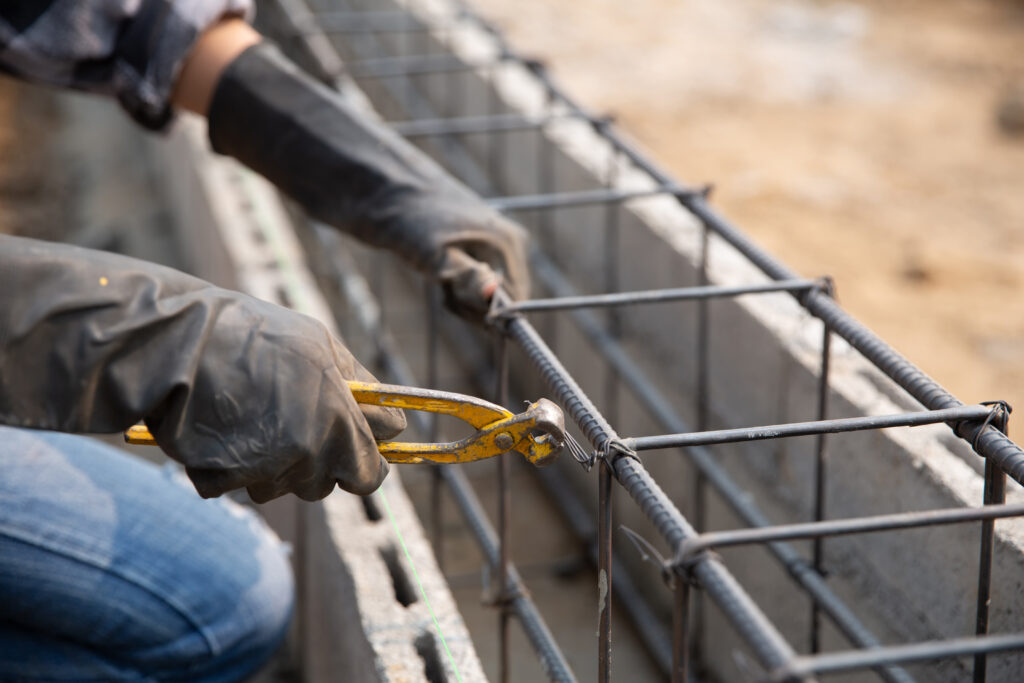
The sequence starts with access and excavation. A section of soil along the affected wall is dug out, usually down to the footing, to expose the full height of the problem area. What is above ground along that section, whether that is a flower bed, a section of lawn, or a path, gets disturbed and has to come out or be protected before digging starts. In Natick’s older neighborhoods, this often means working around mature plantings, stone edging, or a driveway apron that was never designed with future excavation in mind.
Why access decides the approach
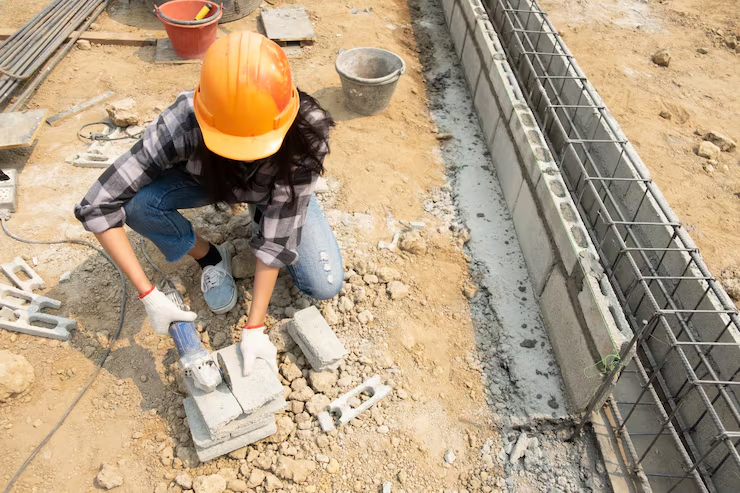
Natick lots vary a lot in how easy they are to work around, and foundation work always starts with a hard look at access. A tight older street lot near the center, hemmed in by neighboring houses and a narrow side yard, limits what equipment can reach the affected wall and how it gets there. A lakeside property may have grade changes, retaining walls, or a limited approach from the water side, forcing a different excavation path. A newer South Natick subdivision lot is often more open, with a wider side yard and clearer access for a mini excavator to work efficiently.
This matters because access shapes the plan before a shovel goes in. Hand digging in a tight gap between houses takes longer, costs more, and limits how deep or wide a crew can safely excavate compared with machine work on an open side yard. Access also determines whether hardscape, fencing, or mature plantings near the wall can be protected in place or need to be removed and replaced. Knowing this upfront helps set realistic timelines, costs, and expectations for the property.

The work, in order
Planting and hardscape near the wall
Shrubs, beds, and walkways close to the foundation often sit directly in the excavation path. Anything within a few feet of the affected wall should be assumed to be at risk and planned around before digging starts, not after.
Backfill that works with the house
Backfill material matters as much as the drain itself. Free-draining gravel against the wall, rather than the original dense soil, keeps water moving down and out instead of pooling against stone or concrete again.
Regrading the surface
Once backfill is in, the surface grade gets rebuilt to slope away from the house. On a lot where water was pooling toward the foundation before, this step is often what stops the next wet season from repeating the problem.
When the driveway or walk is affected
If a drive, walk, or patio sits over or against the excavation line, it has to be lifted and reset afterward. That is a separate, known cost to plan for from the start, not a surprise at the end.
Documenting the problem first
Photos of water entry points, timing relative to rainfall, soil saturation, and any visible cracking help on day one.
What to check and document before anyone comes out
A homeowner can gather useful information before a crew ever sets foot on the property. Note when the water shows up, whether it tracks with heavy rain, spring thaw, or both. Photograph the affected wall and the ground outside directly opposite it, including where downspouts discharge and whether the grade slopes toward or away from the house.
Check gutters and downspouts first. A disconnected downspout or one discharging right at the foundation is sometimes a large part of the problem and costs nothing to fix compared to excavation. Look at the ground outside for low spots, settled soil near the wall, or mulch beds that have been built up above the original grade, since all of these can direct water toward the house instead of away from it.
Inside, note exactly where water enters, whether it is a steady seep, a trickle along a crack, or water coming up from the floor-wall joint, since each points to a different mechanism outside. This information shortens the time it takes to find the actual cause once someone is on site looking at the wall from both sides.

Getting an assessment
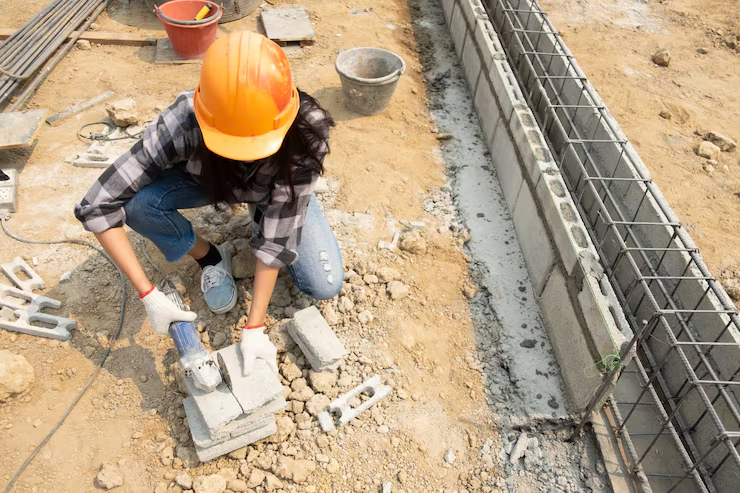
Foundation problems get worse with another freeze-thaw cycle or another wet spring, not better left alone. An assessment looks at the wall from outside, checks the grading and drainage path around the house, and lays out what excavation and access would actually involve on your specific lot before anything is dug. We also look at where downspouts discharge, whether old patch jobs are still holding, and how close the wall sits to mature trees or hardscape that could complicate digging.
What to check and write down first
These are the pointers that help most before anyone visits.
- Note where and when. Which wall, which corner, and whether it follows heavy rain, snowmelt or a particular season.
- Photograph it dry and wet. Take pictures of the same spot on a dry day and again after rain.
- Look at the outside. Check whether the ground beside that wall slopes toward the house, whether a downspout empties near it, and whether anything piles water against it.
- Check for movement. Look for horizontal cracks, a wall that leans in, or stones that have shifted. Mark the ends of a crack with a pencil and date it, so changes can be seen.
- Check the stonework. Press on the mortar. If it crumbles or sands away, say so.
- Think about access. Where could a machine stand, and what is in its way? Tell us who shares the drive or boundary.
- Leave it as you found it. Do not seal or patch the wall before we see it. It hides what we need to look at.
Questions we get asked
Can this be fixed from inside the basement instead?
Interior sealants and coatings can reduce visible moisture on the inside surface, but they do not stop water from reaching the wall from outside. Since the water is moving through the wall under pressure from saturated soil, the cause sits outside, and that is where it has to be addressed to actually resolve it.
Will my landscaping near the foundation survive the work?
Anything within a few feet of the excavation line is at risk. Beds, shrubs, and small trees close to the affected wall are usually removed or relocated before digging starts, since they sit directly in the path of the work.
How do you know which side of the house to dig?
The entry point inside the basement, combined with grading and downspout patterns outside, usually points to the affected section. An on-site look at both the interior water path and the exterior wall and grade is how the specific section gets identified before any excavation begins.
Does my driveway need to come up for this work?
Only if it sits directly over or against the section of wall being excavated. If the affected area is clear of the drive or walkway, those surfaces are left alone; if not, that section gets lifted and reset once the drainage and backfill work is complete.
What is the difference between an older Natick foundation and a newer one?
Older fieldstone and rubble foundations, common on the dense streets nearer the center of town, were built with no membrane and no perimeter drain, so water moves through the stone itself. Newer poured concrete foundations in areas like South Natick usually have some drainage built in already, but it can silt up or fail over time the same way.
Next step
Call us on (413) 337-3772. Tell us which wall, what you have seen, and how the lot slopes around it. We have worked across Middlesex County since 1988, and we will tell you plainly what is likely going on and whether outside work is the right answer.