
Asphalt Repair in Lexington, MA
You’re standing over a pothole by the mailbox, or a patch of alligator cracking near the garage apron, trying to decide if it’s worth calling anyone about. Maybe it’s a low spot that holds water every time it rains, or an edge that’s started crumbling into the lawn. On a lot like the ones common around Lexington — a mid-century colonial or cape on an established parcel, a driveway poured decades ago under a canopy of mature oaks and maples — this is rarely a surprise. It’s the slow result of roots, water, and forty New England winters working on the same stretch of asphalt.
The first question isn’t how to fix it. It’s whether fixing it makes sense. A driveway with isolated damage and a sound base underneath can often be repaired for a fraction of replacement cost and run several more years. A driveway that’s failing in multiple places because the base itself has given way is a different problem, and patching it is just spending money twice. We can tell you which one you’re looking at, and we’ll say so plainly rather than steering you toward the bigger job by default.
Reading the damage correctly
Not all cracking means the same thing. Hairline cracks across the surface are usually just the asphalt aging and shrinking — cosmetic, and worth sealing before winter but not urgent. Alligator cracking, the tight web of interlocking cracks that looks like reptile skin, means the base underneath is flexing under load and losing its ability to support the surface. That’s structural, not cosmetic, and it spreads. Edge failure — the asphalt crumbling away along the sides — usually means the edge never had enough support to begin with, which is common on drives without a proper curb or edge restraint. Sinking or heaving, especially near a garage slab or where a drive meets the street, points to something happening below grade: a washed-out base, a root pushing up from underneath, or water pooling and softening the ground where it shouldn’t be.
Lexington’s mature tree cover plays directly into several of these. Root growth under or beside a driveway doesn’t always announce itself with a cracked surface right away — sometimes it shows up first as a subtle heave, a spot that feels different underfoot before it looks different. Shaded drives also hold moisture longer after rain, which matters more than people expect once freeze-thaw cycles start working on that trapped water each winter. Even a small crack left unsealed through one winter can widen into something that undermines the base by spring, which is why timing a repair before the cold sets in usually pays off.
Good repair work means matching the fix to the actual cause, not just filling whatever’s visible. That can mean:


What Our Clients Say
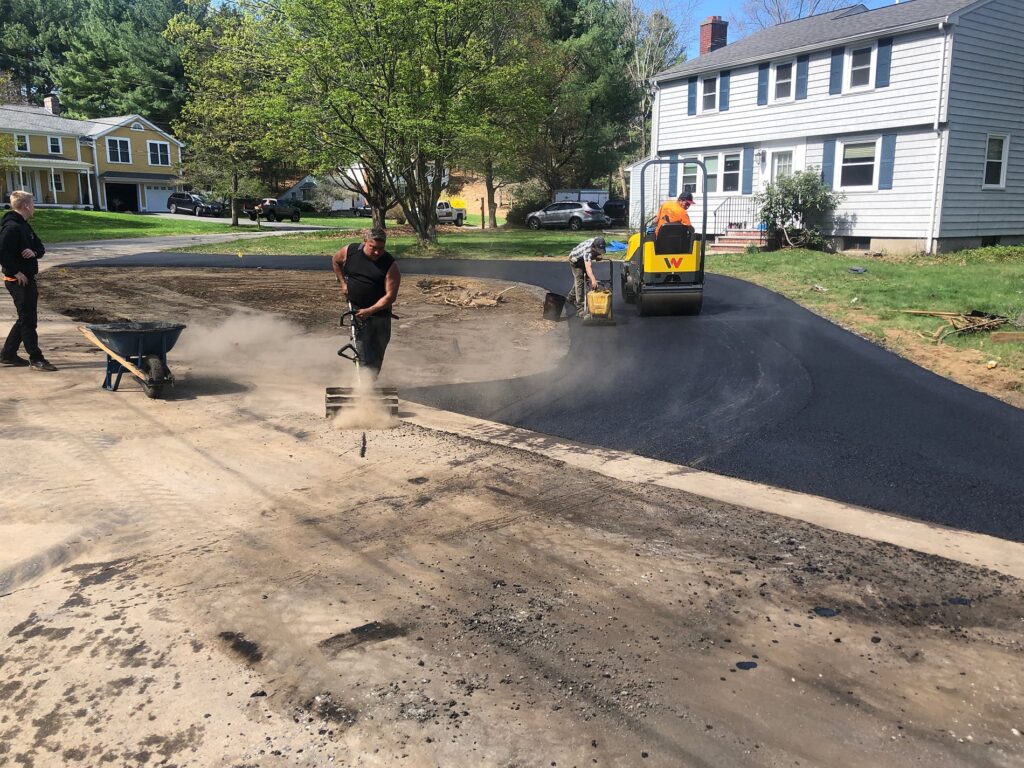
How to read the damage
Asphalt rarely fails for the reason it appears to. The surface shows a symptom, and the cause is usually underneath.
A hairline crack today is a plow-caught edge or a frost-heaved pothole by March.
Infrared patching reheats the existing asphalt in place, blending old and new without a visible seam.
Saw-cut and replace removes a clean, squared section down to the base and rebuilds it properly, matching surrounding grade and compaction.
Crack filling is cheap, quick, and keeps water from getting under the asphalt surface before Lexington's freeze-thaw cycles turn small cracks into potholes.
Edge rebuilding restores support along Lexington drives that were never curbed or edged.
Why it failed here
Most repair calls we get around Lexington trace back to the same handful of causes, usually working together. Mature trees are the big one: roots lift sections from below, and canopy shade keeps the surface damp long after a sunnier drive would have dried out. Damp asphalt freezes and thaws harder, turning a small crack into a crumbling edge or spreading alligator pattern within a season or two.
Older lots were also often paved decades ago over a thinner, less consistent base than current practice uses, so the asphalt can be fine while the ground beneath has quietly settled or washed out in one spot. That’s why two driveways poured the same year, on the same street, can fail completely differently — one holds near the street but sinks by the garage, the other cracks evenly across the whole surface. The failure pattern tells us where to look, which is why an on-site look matters more than a phone description.
What the repairs are
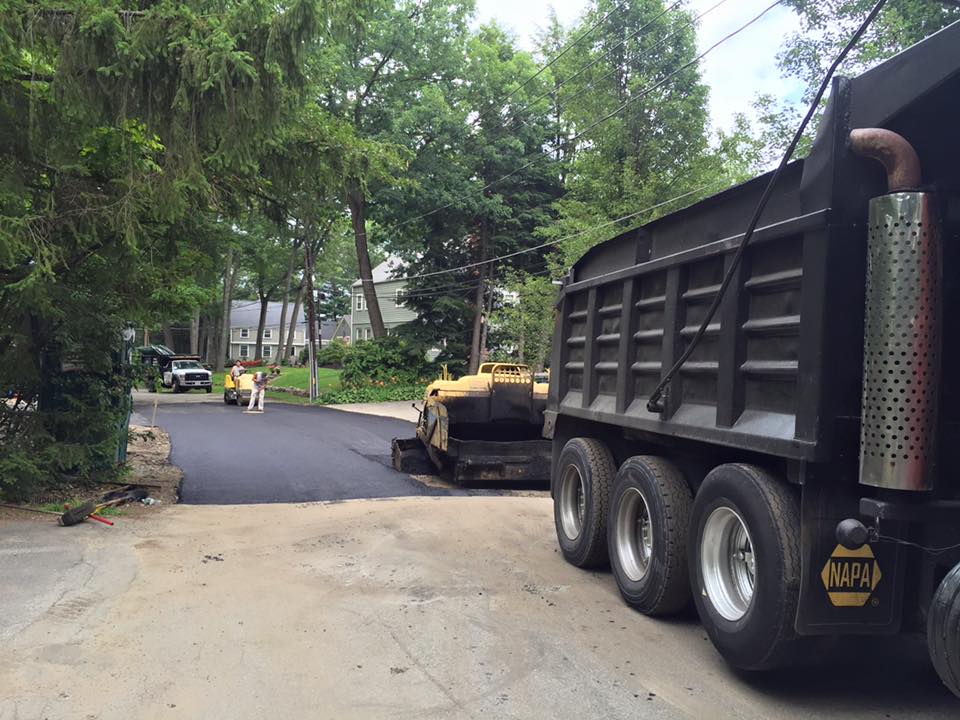
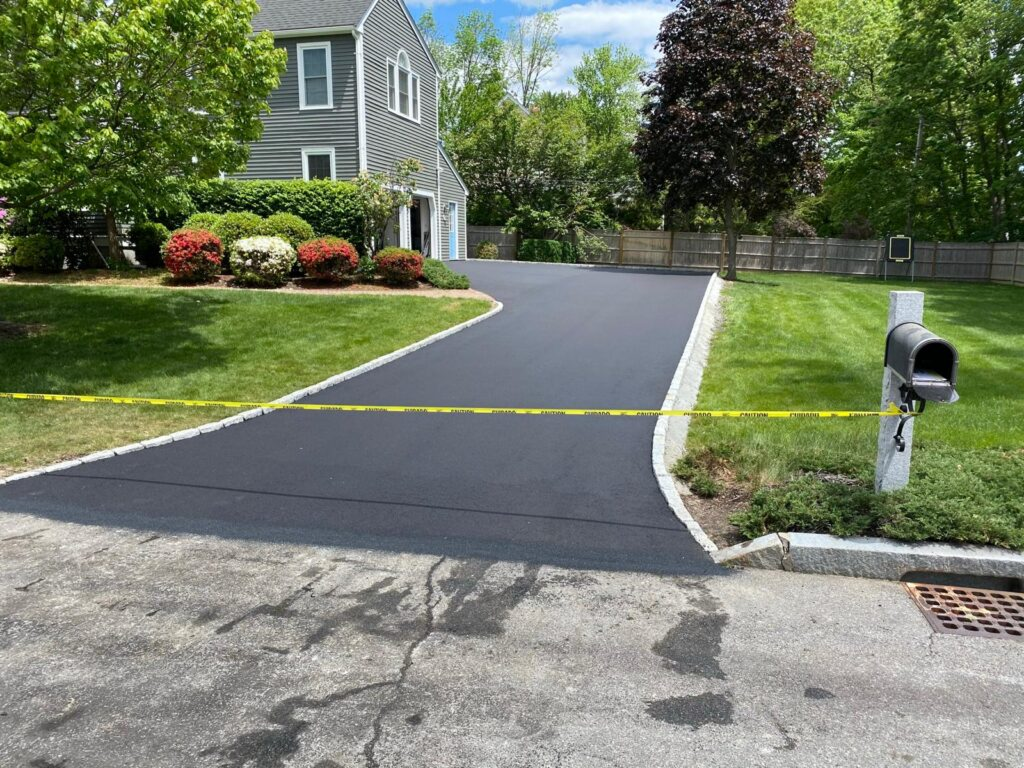
A sunken section near a garage or walkway usually means water found a path under the slab. Lexington's clay-heavy soil and freeze-thaw swings make this worse over time.
Historic-district streets near Lexington centre sometimes limit how equipment can access a drive.
A three-year-old crack filled this fall costs far less than the pothole it becomes after two Lexington winters of freeze-thaw cycles and water working underneath it unchecked.
We'll tell you honestly if your Lexington driveway has a few good years left in it. Cracks, potholes, and drainage issues don't always mean full replacement.
Next step
Crack, pothole, or sunken corner — it’s worth a call. We’ll tell you if it’s a simple patch or needs a full rebuild. Driveway Specialists has repaired Lexington’s shaded, root-crossed driveways since 1988. Call (413) 337-3772 and describe the damage.
Why drives fail in Lexington
Lexington's ground is unforgiving in a few specific ways.
Steep hillside lots mean water arrives with speed. A sloped drive carries runoff downhill, and where that water meets a low corner, a garage door or the seam of an old patch, it goes down instead of away. Over years that washes out fine material from under the asphalt and leaves the hollows that later sink. On a hillside, drainage decides how long the work lasts.
Shared drives on two-family properties take more traffic than a single-family drive was built for. More vehicles, more turning, more weight on the same few feet. That is exactly where alligator cracking appears first, and where edges break down from vehicles clipping the sides.
Tight frontages put the apron directly against the sidewalk. Plows and shoveling push snow and meltwater straight onto that strip, and the edge there takes constant punishment. It is also the part of the drive most likely to involve the town, so if the damage reaches the apron or the sidewalk line, we will tell you before work begins what is yours to fix and what isn't.
And in every case, frost is the engine behind it. Water enters a small crack, freezes, expands and pries the crack wider. It thaws and drains into the opening, and the cycle repeats all winter. A hairline crack in October can be a pothole by March.
Why timing matters
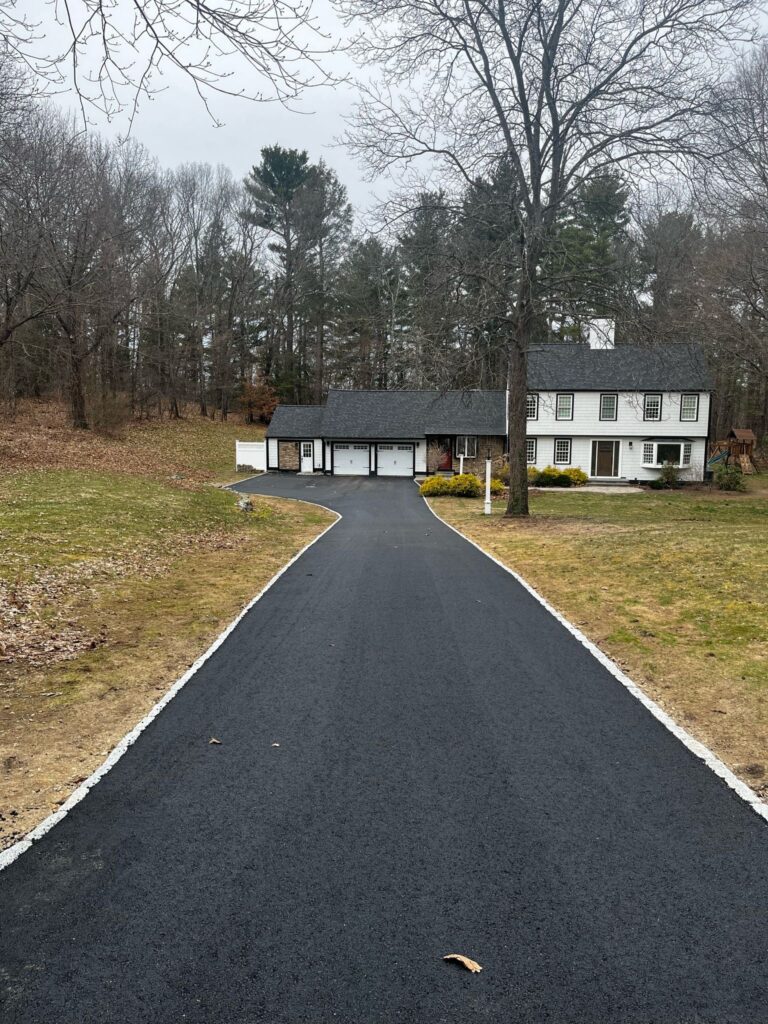
A crack that is filled this fall is a small job. The same crack left through a winter lets water into the base, and the cost of the repair rises with every freeze. A pothole gets larger as vehicles break its edges away. An edge failure keeps retreating.
Spring is when the damage that has been hiding becomes obvious, and when everyone calls at once. The cheapest repairs happen before that, while the problem is still the size of a hand.
Asphalt repair questions in Lexington
Can a cracked driveway in Lexington be repaired instead of replaced?
Often, yes. If the damage is isolated and the base underneath is still sound, infrared patching or a saw-cut repair can fix the problem area without touching the rest of the drive. We only recommend replacement when the base itself has failed in multiple spots.
Do tree roots really damage asphalt driveways?
Yes. Roots from mature trees common around Lexington properties can grow under a driveway and slowly lift sections from below, which shows up first as a subtle heave and later as cracking. Removing the root and rebuilding that section usually resolves it.
How urgent is a small crack or pothole?
More urgent than it looks. Once water gets into a crack, New England's freeze-thaw cycle widens it every winter. A small repair done now is cheaper than the larger patch or rebuild that same spot often needs a year or two later.
Will repair work on a driveway near Lexington centre be affected by historic-district rules?
Access and visibility near the centre can affect how we stage equipment, but repair work itself is generally straightforward. We plan the approach around the property before starting so it doesn't slow the job down.
Next step
Call us at (413) 337-3772. Tell us what you are looking at and where on the drive it is. We will come out, look at the damage and the ground around it, and tell you honestly whether it can be repaired and what that involves.