
Cobblestone Aprons and Edging in Southborough; MA
A long gravel or asphalt drive winding through wooded acreage is common ground in Southborough, and the point where it meets the street, or the point where it meets the front entry, is usually the weakest link visually and structurally. A cobblestone apron at the street end, or cobblestone edging along a drive and walkway, gives that transition a defined, finished edge instead of a ragged line where asphalt crumbles into lawn or mulch. It is a small footprint of work with an outsized effect on how the whole property reads from the road, and on a large lot with a period-sensitive house near the historic centre, that first impression carries weight.
What is actually under the stone
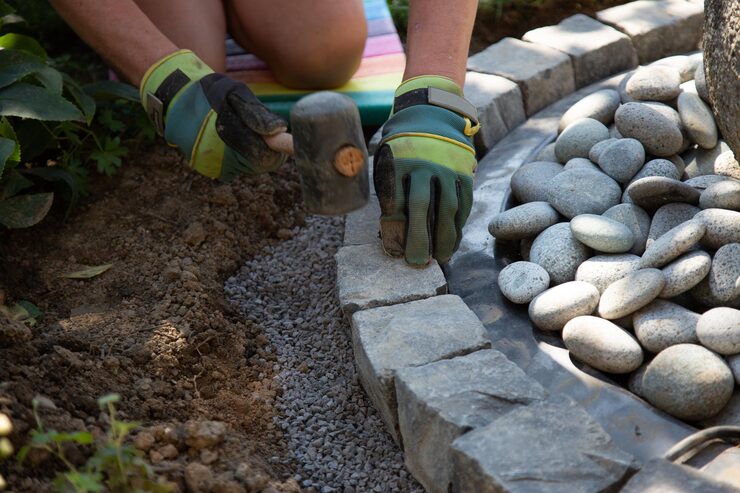
Cobblestone looks solid because it is heavy, but what keeps it flat through a Massachusetts winter is what is underneath it, not the stone itself. The work starts with excavating well below the finished surface, deeper than most homeowners expect, then rebuilding with a compacted gravel base that can drain and still carry load without shifting. A bedding layer of sand or stone dust sits above that, screeded level, with the cobblestones set into it and the joints filled to lock everything together. Edge restraint, a buried curb or concrete haunch, is what stops the whole assembly from creeping outward under traffic and plow pressure over time. Skip any one of those layers and the stones will still look right on installation day. The failure shows up a year or two later as rocking stones, gapped joints, and an edge that has visibly spread.
Frost is the reason that sequence matters so much here. Water in the ground freezes and expands, and if it is trapped against the base rather than draining through it, that expansion pushes stone upward unevenly. A base built from clean, compactable gravel sheds that water instead of holding it, which is the entire difference between an apron that stays flat for years and one that heaves every spring. On the rolling, often ledge-influenced terrain around Southborough, getting the excavation depth and drainage path right matters more than the pattern you lay the stone in.
Material choice has real trade-offs, not just a look to pick from a catalog. Full-depth granite cobblestone is the most durable option and ages with a texture that suits an older farmhouse or colonial, but it costs more and is heavier to work with. Concrete cobble pavers cost less, come in consistent sizing that is faster to lay, and still handle freeze-thaw well, though they read more uniform and less weathered. Reclaimed or antique cobblestone has the most character and the best match to a historic frontage, but sourcing enough matching stone and setting irregular shapes takes more labor. None of these is the right answer for every house. It depends on the age of the property, the budget, and whether the goal is a close match to existing stonework or simply a durable, clean edge.


What Our Clients Say
What the work involves below the surface
The stone is the last and smallest part of the job. A cobblestone apron stays flat or goes wavy depending on what is underneath it.
Drainage decides whether cobblestone aprons and edging last. In Southborough, grade must carry water away from the house and off the apron, never pooling against a foundation, heaving with winter frost, or sheeting across a walkway into the garage.
Southborough's long driveways often run through grade changes under mature tree canopy.
Cobblestone edging ties a new apron into existing stone walls, plantings, or a fieldstone entry, so the new work looks original rather than added on.
Matching an older Southborough home means choosing stone size, joint width, and laying pattern that echo period properties near the town centre.
A straight run of edging along a gravel drive in Southborough does a different job than a curved cobblestone apron framing a paved entry.
Materials and the trade-offs
None of this work happens in isolation from what already exists on the property. A new cobblestone apron has to read as part of the same driveway it meets, not a separate project bolted onto the end of it, which means matching the asphalt or gravel edge cleanly and carrying the same grade through the transition. Edging along a walkway needs to sit at a height that does not create a trip hazard against existing pavers or stone steps. Where a property already has fieldstone walls or a stacked stone foundation, cobblestone edging in a similar tone pulls the frontage together instead of introducing a third material that competes with what is there. On older Southborough homes near the historic district, that consistency matters more than on a newer build, since the existing stonework sets the standard the new work has to meet.

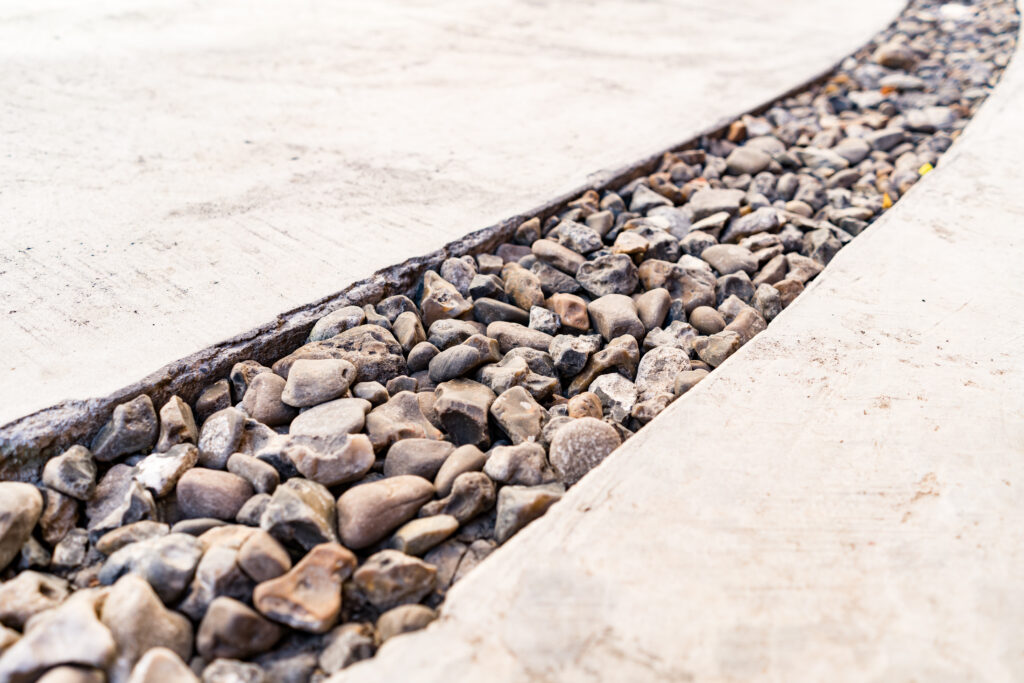
Southborough’s lots tend to be larger and more wooded than the towns closer to Boston, with long private drives that gain real elevation between the street and the house. That grade change means an apron at the bottom is doing drainage work as well as looking finished, catching and redirecting water before it reaches a garage or basement entry. The historic centre near the common has a concentration of older homes where frontage work is genuinely period-sensitive, and a cobblestone apron or edging detail that respects that character reads very differently from a poured concrete curb cut. Mature oak and maple cover much of the town, which keeps ground near the drive damp and shaded longer into the day, something worth accounting for when setting bedding sand and choosing a stone that will not stay slick. None of this is unique to one street. It is the general pattern across the town’s older residential areas and its larger wooded parcels alike.
If you are planning a new apron at the street, replacing a cracked asphalt edge, or adding cobblestone edging along an existing drive or walkway, the first step is a site visit to look at the grade, the existing materials, and what the house itself calls for. Cobblestone aprons take the brunt of plow blades, delivery trucks, and daily tire wear where the driveway meets the road, so the base work underneath matters as much as the stone pattern on top. In Southborough, with its mix of older colonials and newer builds along winding, tree-lined lots, we often see granite or Belgian block edging used to define a straight drive, soften a curve, or tie a walkway back into the main apron cleanly. We have worked across Southborough and the surrounding towns in Worcester and Middlesex counties since 1988, and we can tell you honestly whether cobblestone is the right fit for your property, whether a simpler edge detail would serve you just as well, or whether a hybrid approach makes more sense for your budget.
Where this suits Southborough properties
Long wooded drives
A cobblestone apron at the street end anchors a long gravel or asphalt drive that falls through wooded terrain, giving the entry a defined edge where it meets the road.
Historic centre frontages
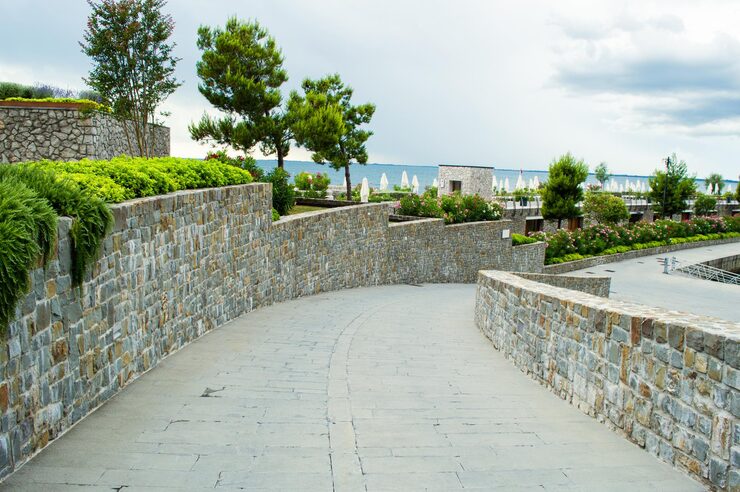
Period homes near the town centre suit cobblestone edging that echoes existing stonework, rather than a standard concrete curb cut that looks out of place against an older facade.
Grade transitions
Where a drive gains elevation from street to house, cobblestone edging at the low point helps manage water before it reaches a garage door or basement entry.
So tar and chip suits a longer, gentler Southborough drive with some room around it. It is a poor match for a short, steep or shared one, or one that opens straight onto the walk.
Questions we hear
Is cobblestone edging only for the driveway entrance, or can it run along the whole drive?
It can do either. Many Southborough properties use it just at the apron where the drive meets the street, as a defined transition, while others run it along the full length of a gravel drive to hold the edge and stop material spreading into the lawn.
How does cobblestone handle a shaded, wooded driveway?
Shade keeps ground damp longer, which is a drainage question more than a stone question. A properly compacted, well-draining base under the cobblestone deals with that moisture; the stone itself handles shade and tree cover without issue.
Can new cobblestone edging match stonework that is already on the property?
Often, yes. We look at the size, color, and joint pattern of existing walls or stonework before recommending a stone, so a new apron or edge reads as part of the property rather than an obvious addition.
Does cobblestone edging interfere with snow plowing?
A properly set edge restraint sits at or just below grade so plow blades pass over it rather than catching it. Edging set too high, or without solid bedding underneath, is what gets caught and pushed by a plow.
Next step
Call us at (413) 337-3772. Tell us about the lot, the slope and what you want the frontage to look like. We have been working in this area since 1988, and we will tell you plainly what suits your property.