
Foundation Work in Waltham, MA
Water coming through a basement wall after heavy rain. A damp corner that never fully dries out, even in August. A section of fieldstone that bulges inward or sheds grit when you brush past it. These are not finish problems. They are signs that water is moving through the foundation wall itself, and on the hillside streets of Waltham, where two- and three-family houses sit close together on sloped lots, that water usually has a clear path downhill straight at the house.
Most of the housing stock here predates modern foundation construction. The walls are fieldstone or old poured concrete, built with no damp-proofing membrane and no way to carry groundwater away from the base of the wall. Water does not need a crack to get in. Stone and old mortar are porous enough on their own, and once the ground around the house is saturated, the wall simply conducts that moisture through to the inside face. That is why painting or sealing the inside rarely holds for long. The water is still arriving at the wall from outside; you have only blocked one route it was taking through.
Neighborhoods built up the slopes near Prospect Hill and around the older streets off Moody and Main tend to show this pattern most clearly, because every house downhill is effectively catching runoff from the ones above it. A foundation that has stood for decades without trouble can start taking on water simply because a neighbor regraded a yard, added a paved driveway, or because gutters and old drainage swales nearby have slowly failed. The wall itself may not have changed at all; the water reaching it has.
Why this has to be solved from the outside
An interior sealant or a sump pump manages water after it has already gotten in. It does nothing about the pressure pushing it there. Treating the cause means getting to the outside face of the wall: excavating down to the footing, addressing the wall itself with proper parging or a drainage membrane, and rebuilding the drainage path with footing drains and clean stone so water is carried away before it ever reaches the stone or concrete. That is a bigger job than a coating, and a more disruptive one, since it means digging along the foundation rather than working from inside a finished basement. It is also the only approach that deals with the actual mechanism rather than the symptom.
Before any digging starts, a few things usually need sorting out on a tight Waltham lot:


What Our Clients Say
What the excavation involves
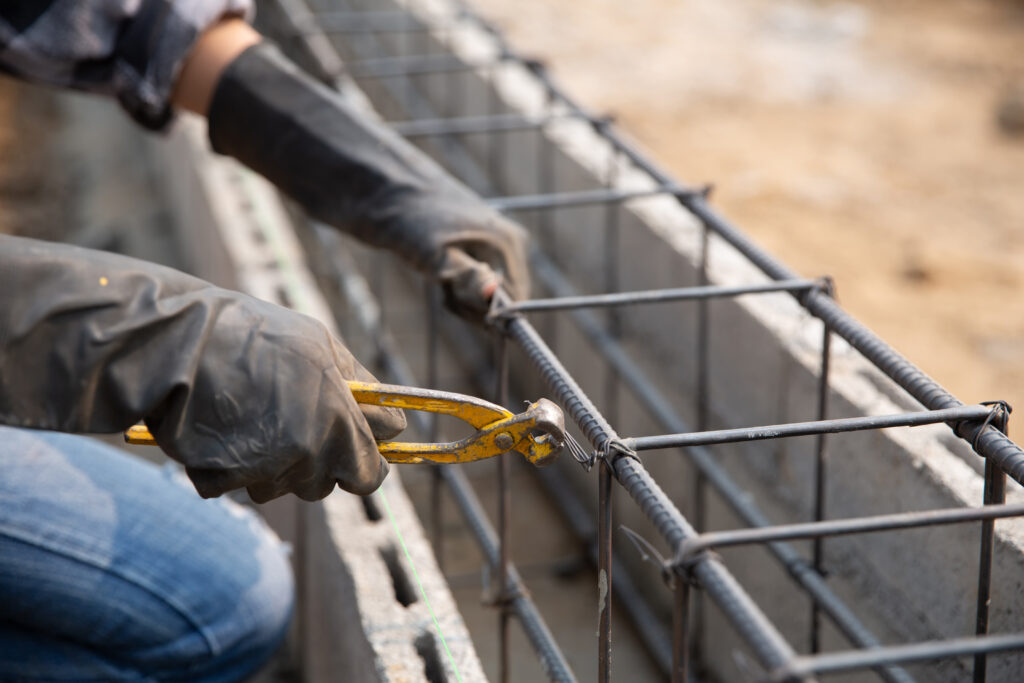
Work starts by exposing the wall from the footing up to grade, one section at a time rather than the whole foundation at once. This keeps the excavation stable and limits how much of the yard is disturbed on a lot where there may not be much yard to begin with. Soil comes away from the wall in a trench wide enough to work in safely, with the sides sloped or shored depending on depth and soil type. The spoil has to go somewhere, and a smaller lot can usually spare only a narrow staging strip for it, so loads often get hauled off site in stages rather than piled up for the duration.
Treating the wall and rebuilding drainage
Once the wall is exposed, the stone or concrete gets cleaned back and any failing sections repointed or rebuilt before a new exterior membrane goes on. Waltham’s older foundations, especially the fieldstone and early block walls common around the city’s older streets, often need more than a patch job once they’re opened up, so we assess joint by joint rather than assuming a quick coat will hold.
Below the membrane, a drainage path runs along the footing to carry groundwater to daylight or a discharge point, rather than letting it pool against the wall the way it has been doing for decades. Where the lot allows, that path ties into existing storm drainage or a sump system already serving the property, instead of working against it.
- Footing drain set with proper fall, not just laid flat in the trench
- Filter fabric wrapped around stone to keep soil from clogging the pipe
- Clean, free-draining backfill placed in lifts, never dumped in all at once
The work, in order
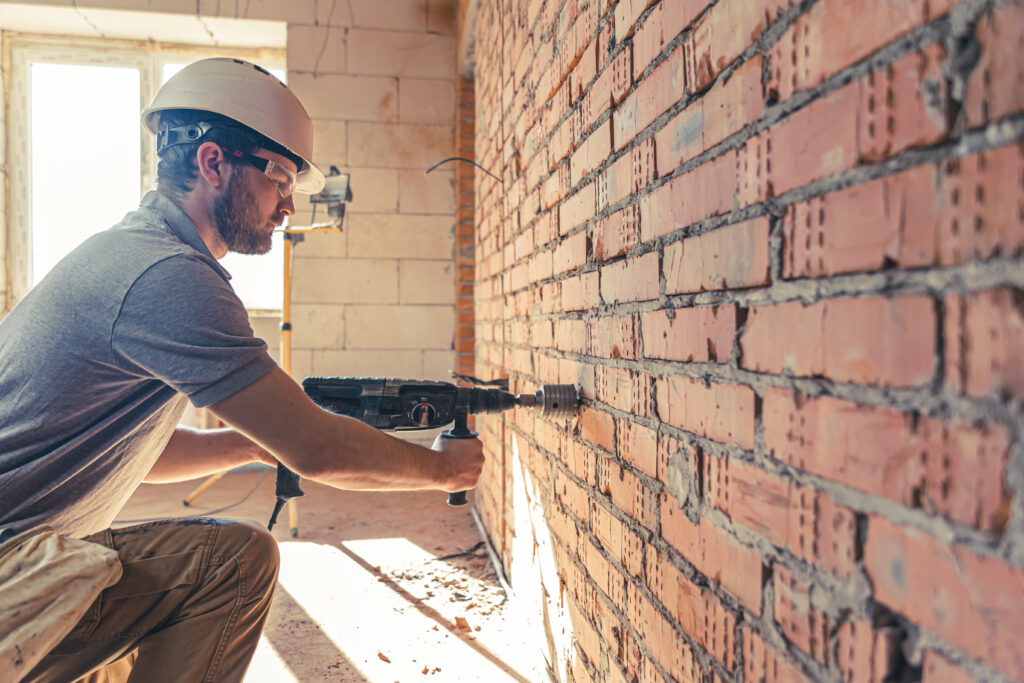
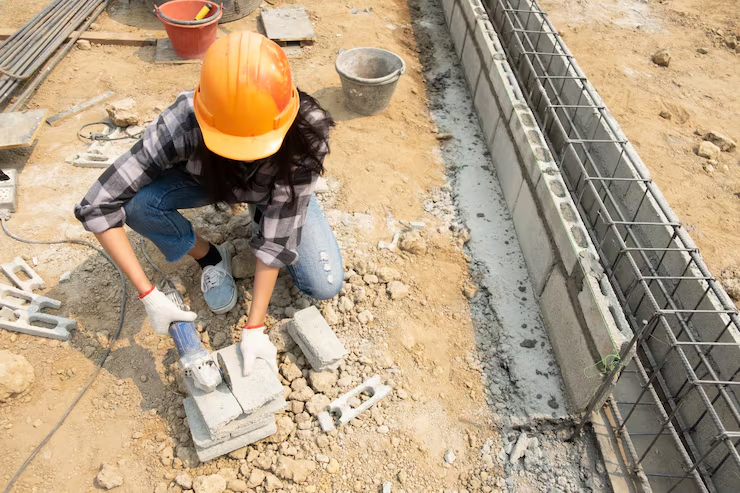
Backfill around Waltham foundations is placed and compacted in measured stages, not dumped in all at once, so it settles evenly and doesn't leave a soft trench line, sunken patio edge, or cracked driveway slab along the wall a year later.
Regrading the surface
After backfilling, the surface must slope away from the house again. On Waltham’s sloped streets, that often means rebuilding a small retaining edge or adjusting a walkway’s pitch so runoff is redirected, not funneled back at the foundation.
If a driveway or walkway in Waltham sits over the excavated foundation area, it has to be carefully removed before digging begins.
On shared or stacked drives common around Waltham’s terraced streets, access for the excavator and spoil truck usually decides which side of the foundation gets worked first, with neighbouring boundaries, drainage runs and existing walls all checked before digging begins.
A fieldstone wall with no membrane behaves differently than poured concrete. Both get assessed on site before any digging plan is set, checking drainage, soil condition, and settling patterns common in Waltham’s older foundations before work begins.
Before anyone comes out
A few things are worth checking and writing down before a site visit. Note which wall the water or dampness appears on, and whether it tracks with heavy rain, snowmelt, or neither. Many Waltham homes sit on older slab or fieldstone foundations with grading that has shifted over decades, so a wall that was fine for years can start showing damp patches once a downspout clogs or a flower bed holds water against the stone. Photograph the inside face of the wall where the problem shows, and the outside grade on that same side, including any downspouts, paved surfaces, window wells, or planting beds close to the foundation. If the dampness has a pattern, such as worse after a particular storm direction, after the spring thaw, or at a particular time of year, that detail is useful on site and can point toward grading versus a crack or joint issue. Check nearby trees too, since roots can affect both drainage and slab movement over time.

Getting a look at the site
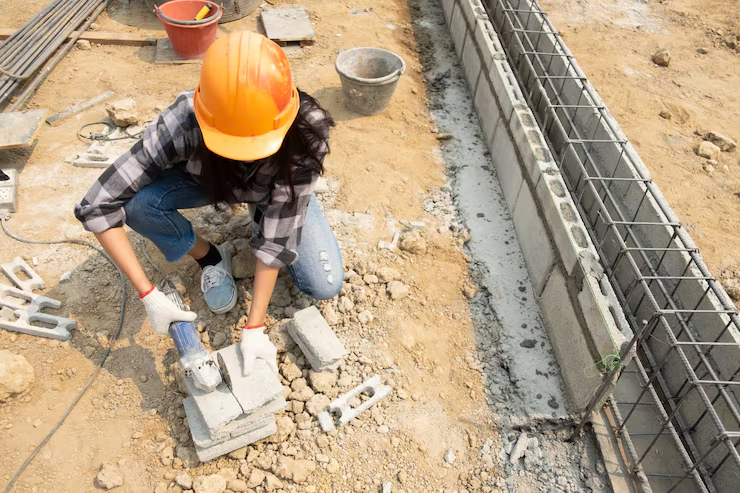
Foundation work on a Waltham lot is as much about figuring out how to reach the wall as it is about the wall itself. Narrow side yards, shared drives, and sloped access between houses all change how the excavation gets staged, and that is something to work out in person rather than guess at from a description over the phone. A site visit also shows what is actually driving the problem: surface grading that pitches water back toward the house, a downspout discharging too close to the wall, or soil that has settled away from the footing over time. Driveway Specialists has worked on properties across Middlesex County, including the tight hillside lots typical of Waltham and neighboring Watertown and Newton, since 1988, and that experience with access and staging on small lots carries directly into foundation excavation work.
What to check and write down first
These are the pointers that help most before anyone visits.
- Note where and when. Which wall, which corner, and whether it follows heavy rain, snowmelt or a particular season.
- Photograph it dry and wet. Take pictures of the same spot on a dry day and again after rain.
- Look at the outside. Check whether the ground beside that wall slopes toward the house, whether a downspout empties near it, and whether anything piles water against it.
- Check for movement. Look for horizontal cracks, a wall that leans in, or stones that have shifted. Mark the ends of a crack with a pencil and date it, so changes can be seen.
- Check the stonework. Press on the mortar. If it crumbles or sands away, say so.
- Think about access. Where could a machine stand, and what is in its way? Tell us who shares the drive or boundary.
- Leave it as you found it. Do not seal or patch the wall before we see it. It hides what we need to look at.
Questions we get asked
Is this the same as waterproofing a basement from the inside?
No. Interior coatings and sump pumps manage water after it enters. This work excavates the outside of the wall to stop water from reaching it in the first place, which is a different scope and a different job.
Will my driveway or patio need to come out?
Only if it sits directly over the section of foundation being excavated. On many Waltham lots, a walkway or strip of patio does run close enough to the wall that it has to be lifted and reinstated afterward.
How do you get equipment to the wall on a tight lot?
It depends on the lot. Shared drives, narrow side yards, and sloped access between houses are common in Waltham, and the access route usually determines which side of the foundation can be worked first and how the spoil gets staged.
What causes water to come through a fieldstone wall?
Older fieldstone and rubble foundations have no damp-proofing membrane and no perimeter drain. Groundwater and surface runoff reach the outside of the wall and move through the porous stone and mortar to the inside face.
Do you work on poured concrete foundations too?
Yes. Older poured concrete walls can fail at cold joints or cracks in the same way fieldstone does, and the approach of excavating, treating the wall, and rebuilding drainage still applies.
Next step
Call us on (413) 337-3772. Tell us which wall, what you have seen, and how the lot slopes around it. We have worked across Middlesex County since 1988, and we will tell you plainly what is likely going on and whether outside work is the right answer.