
Foundation Work in Northborough, MA
Water coming through a basement wall after heavy rain. A damp patch on the concrete that never fully dries. A corner of the foundation that stays wet every spring long after the rest of the yard has drained. A section of wall that bows inward or sheds crumbs of mortar when you run a hand over it. These are not finish problems. They are signs that water is moving where it should not be, and on the older homes along Northborough’s main road network, where fieldstone and rubble foundations are common, that movement happens through the wall itself rather than underneath it.
Fieldstone and early poured foundations were built without a membrane and without a perimeter drain. The wall itself was expected to hold back the soil, and for decades it does, until the mortar joints open up or the stone settles enough to let water track through on its own path. Add a modern driveway or patio pitched toward the house instead of away from it, or a downspout emptying right against the foundation, and the wall takes on more water than it was ever asked to handle. The result shows up inside as damp, staining, or standing water, but the cause is entirely outside.
Grading is one of the most common contributors we find on inspection, and one of the easiest to overlook, because the slope around a house changes gradually over years of mulch beds, patio additions, and settling soil. A grade that once sloped away from the foundation can end up flat or even tilted toward it without anyone noticing until a wet basement forces the question. Checking that slope, along with downspout discharge points and any hardscape pitch, is one of the first things worth doing before assuming the wall itself needs structural work.
Why interior fixes don’t solve it
Interior sealants and interior drain systems manage water after it has already gotten in. They can keep a basement usable, but they do not stop the wall from taking on water in the first place, and they do nothing for a wall that is visibly failing structurally. Treating the cause means going outside: excavating down to the footing on the affected side, addressing the wall itself, and rebuilding the drainage that should have been there from the start. It typically involves:
- Excavation along the affected wall down to footing depth
- Repair or rebuilding of damaged stone, mortar, or concrete sections
- Installation of a proper waterproof membrane and perimeter drain
- Backfill with free-draining material rather than the original soil
It is more disruptive and more involved than an interior fix, and it is the only approach that changes what is actually happening at the wall rather than just managing the symptoms indefinitely.


What Our Clients Say
Excavation and access
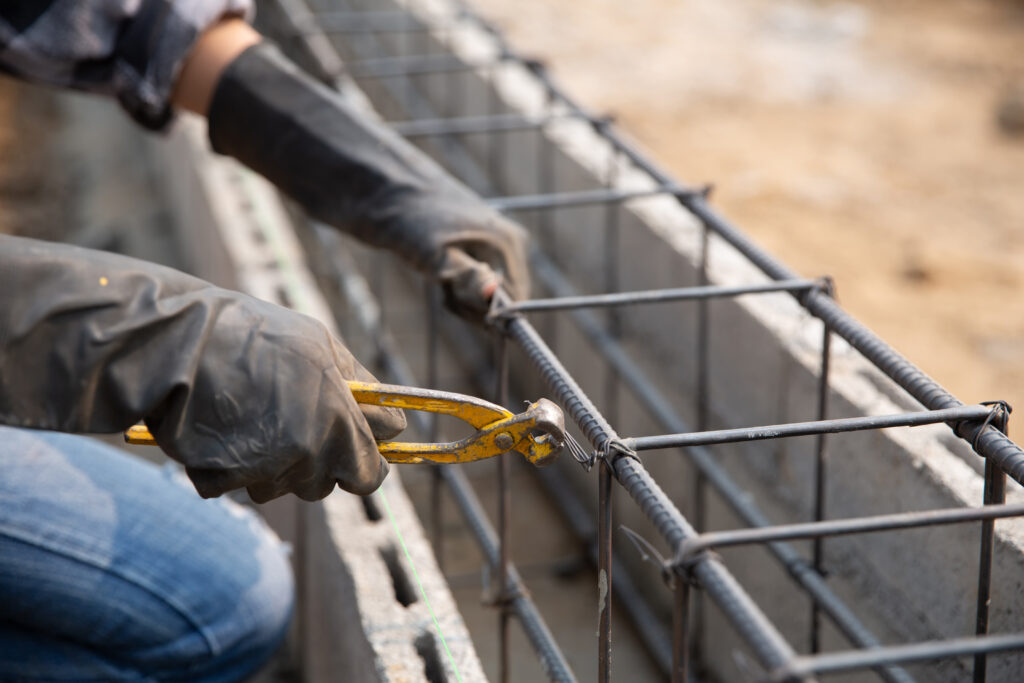
The first real question on any foundation job is whether a machine can reach the affected wall. On an older Northborough lot with a tight side yard, mature plantings, or a driveway running close to the house, that access has to be worked out before excavation starts, sometimes by hand-digging the first stretch to protect a path for the equipment or to avoid cutting through paving that has to stay. Fences, septic lines, and established trees close to the foundation all factor into where a mini-excavator can actually sit and swing.
What happens to plantings and hardscape
Shrubs, foundation plantings, and sections of patio or walkway near the excavation line usually have to come out before digging starts. Established plantings close to an older Northborough foundation are often removed rather than transplanted, since root disturbance at that depth rarely leaves them viable, and mature root balls can be heavier and more entangled with old footings or drain lines than homeowners expect. Hardscape within the work zone, including walkway pavers, patio slabs, and low garden walls, is carefully lifted, labeled, and set aside so it can be reinstated once backfill and grading are complete, rather than replaced outright.
- Plantings directly over the dig line: typically removed, not relocated
- Nearby shrubs and perennials: protected where possible, but root pruning may still affect them
- Walkways and patios: lifted in sections, stored on-site, and reset after grading
- Irrigation lines or lighting wiring: flagged early so they aren’t damaged during excavation
Because every Northborough yard has different soil, slope, and existing landscaping, the crew walks the site beforehand to flag what stays, what moves, and what simply has to go.

The work, in order
Treating the wall
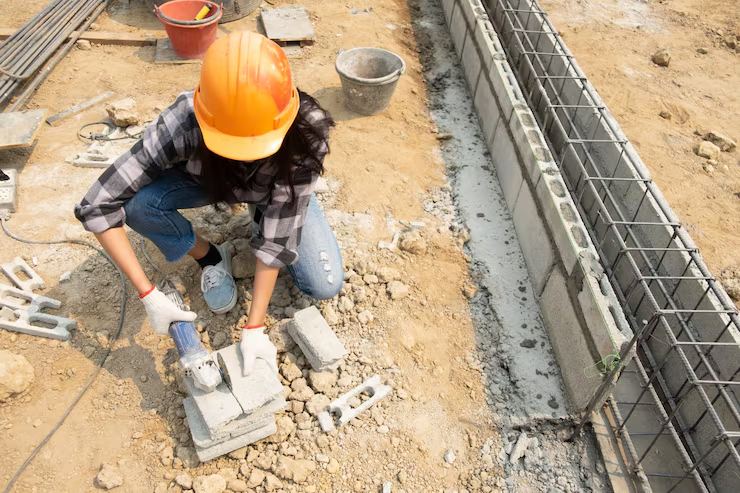
With the Northborough wall exposed to the footing, we repair open mortar joints and damaged stone or masonry first. Then a waterproof membrane is applied to the exterior face, giving the wall protection it never had when originally built.
Drainage at the footing
A perimeter drain set at the footing carries water away from the wall instead of letting it pool there. Many older Northborough foundations lack this, and it’s what actually keeps water from reaching the wall again.
Backfill
Backfill goes back in with drainage in mind, not just as fill.
Reinstating the grade
The final grade around the foundation is shaped to pitch water away from the house. On a flat Northborough lot this slope has to be built deliberately, since the ground often won’t do it on its own.
Regrading and the surface above it
Once the wall's sealed and drained, the ground above it is rebuilt: old paving removed, soil properly sloped, surface reinstated. Northborough's newer lots often need just the section nearest the house; older lots, more.
What to check and document before calling
Before anyone comes out to look at foundation work on a Northborough property, a little homework pays off. Take clear photos of the affected wall, slab, or corner, including a wide shot that shows its position relative to downspouts, grading, and any nearby trees or window wells. Note when cracks, settling, or dampness first appeared, and whether they worsen after heavy rain, snowmelt, or the freeze-thaw swings typical of a New England winter. Check gutters and downspouts to confirm they discharge well away from the foundation, and walk the perimeter looking for soil that slopes toward the house rather than away from it.
- Dated photos of cracks, gaps, or stains, taken from the same spot over time
- Measurements of crack width, if it’s safe and easy to check
- Notes on doors or windows that stick or won’t latch properly
- Any history of prior repairs, patching, or waterproofing in that area

Next step
If you’re seeing water, damp, cracking, or a failing section of foundation wall on a Northborough property, the next step is a proper look at the affected side of the house and the ground sloping toward it. Northborough’s mix of older homes near the town center and newer construction out toward the reservoir land means foundation issues can stem from very different causes — aging stone or block walls settling over decades, or newer poured concrete reacting to grading and drainage problems around the lot. Before any repair gets planned, we want to see the cracks, the moisture pattern, and how water moves around the foundation during and after rain.
- Where the water or damp is showing up, and when it’s worst
- Crack width, direction, and whether they’re changing
- Grading, downspouts, and drainage near the affected wall
Call (413) 337-3772 to talk through what you’re seeing and arrange a visit. A direct conversation up front helps us figure out whether you’re dealing with a surface-level fix or something structural that needs closer attention.
What to check and write down first
These are the pointers that help most before anyone visits.
- Note where and when. Which wall, which corner, and whether it follows heavy rain, snowmelt or a particular season.
- Photograph it dry and wet. Take pictures of the same spot on a dry day and again after rain.
- Look at the outside. Check whether the ground beside that wall slopes toward the house, whether a downspout empties near it, and whether anything piles water against it.
- Check for movement. Look for horizontal cracks, a wall that leans in, or stones that have shifted. Mark the ends of a crack with a pencil and date it, so changes can be seen.
- Check the stonework. Press on the mortar. If it crumbles or sands away, say so.
- Think about access. Where could a machine stand, and what is in its way? Tell us who shares the drive or boundary.
- Leave it as you found it. Do not seal or patch the wall before we see it. It hides what we need to look at.
Questions we get asked
Is this the same as a driveway or paving job?
No. Foundation work deals with excavation, wall repair, and drainage around the house itself. Paving or regrading only comes into it if a driveway or walkway sits over the area being excavated.
Can this be done without major excavation?
Addressing the cause rather than the symptom generally requires exposing the wall down to the footing on the affected side. Interior measures avoid excavation but don't stop water from reaching the wall.
Will my driveway or patio be affected?
Only if it sits over or immediately beside the area being excavated. On many Northborough lots the affected section is near the house, not the full length of the drive.
How do I know if the problem is structural or just dampness?
Bowing, cracking, or crumbling mortar points to a structural issue. Damp or staining without visible wall movement is still worth addressing, since it usually means water is already tracking through the wall.
Next step
Call us on (413) 337-3772. Tell us which wall, what you have seen, and how the lot slopes around it. We have worked across Middlesex County since 1988, and we will tell you plainly what is likely going on and whether outside work is the right answer.