
Foundation Work in Watertown, MA
Water coming through a basement wall after a heavy rain. A damp patch that never quite dries, even in August. A corner of the foundation that looks like it is bowing inward, or mortar between the stones that crumbles when you touch it. These are not cosmetic problems. They are signs that the ground around your house is doing something it should not be doing, and in a lot of Watertown’s older housing stock, that has been building for decades before anyone notices it.
This is foundation work, not paving. It is a separate trade with a different goal: keep water and soil pressure away from the structure itself. If you came here looking for a new driveway, this is not that page. If you have a wet basement, a failing wall, or a foundation that worries you every time it rains, read on.
Why old foundations in this area leak
Much of Watertown was built when foundations were laid as fieldstone or rubble walls, sometimes later patched with concrete block. None of that construction included a membrane on the outside face, and none of it included a perimeter drain at the footing. The wall itself is porous. Water in the surrounding soil does not go under the foundation to find a crack – it moves straight through the stone and mortar, following the path of least resistance until it reaches the inside face of your basement wall.
That is why coatings and sealers applied from the inside only ever buy time. They block the point where water happens to be showing up this year. Next year it finds another joint, another low spot in the mortar, and you are back where you started. The water is still arriving at the wall in full force. You have just moved where it decides to show itself.
The actual fix happens outside, against the wall itself, where the water is arriving. That means excavating down to the footing, correcting what is wrong with the wall, and giving water somewhere to go other than through your basement. It is slower and more disruptive than a tube of sealant, and it costs more, because it is dealing with the cause rather than painting over the symptom. On a dense lot with a shared drive and tight setbacks, that excavation also has to be planned around what is physically possible to reach – which is where a lot of Watertown jobs get complicated before anyone even opens the ground.


What Our Clients Say
What's Actually Happening at the Wall
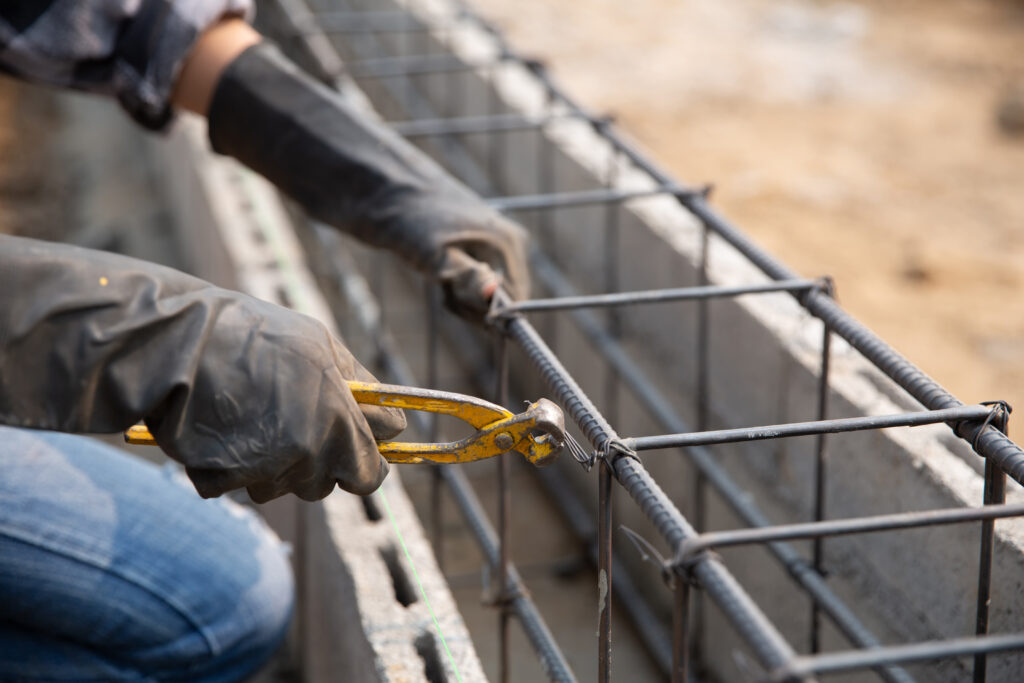
A fieldstone or rubble foundation was never built to resist water pressure – it was built to hold up the house, on the assumption that the ground around it would stay reasonably dry. Over decades, grading settles, downspouts get redirected or clogged, and soil that used to slope away from the house ends up sloping toward it instead. Watertown’s older housing stock, much of it built long before modern drainage standards, is especially prone to this kind of slow-motion shift.
Once water sits against the wall instead of running off, it finds every joint and soft spot in the mortar. In winter, water that has worked into the wall freezes and expands, widening the same cracks a little more each year – and Watertown’s freeze-thaw cycles make this an annual event, not a rare occurrence. By the time it shows up as a wet patch inside, or white mineral staining on the stone, the wall has usually been taking on water for a long time already. Common culprits worth checking first:
Interior Fixes Treat the Symptom
Interior sealants and coatings stop water at the point where it happens to be entering this season. They do nothing to the pressure building against the wall from outside, so the water simply finds a new path – a different mortar joint, a cove gap, a crack a foot over. Watertown’s clay-heavy soil holds moisture long after a storm passes, so that outside pressure rarely lets up for long, and a coating that worked in July can fail by the next thaw.
Exterior work addresses the actual cause: water sitting against the foundation. That means digging down to the footing, correcting the wall, re-waterproofing the exterior surface, and giving water a route away from the house through proper grading and drainage instead of through it. It is more disruptive – expect excavation around the perimeter and some disturbed landscaping – and costs more than a coating, which is a fair trade-off to weigh honestly before committing to either approach.
- Interior fixes: fast, inexpensive, cosmetic
- Exterior fixes: slower, costlier, address the source
The work, in order
Access and Excavation
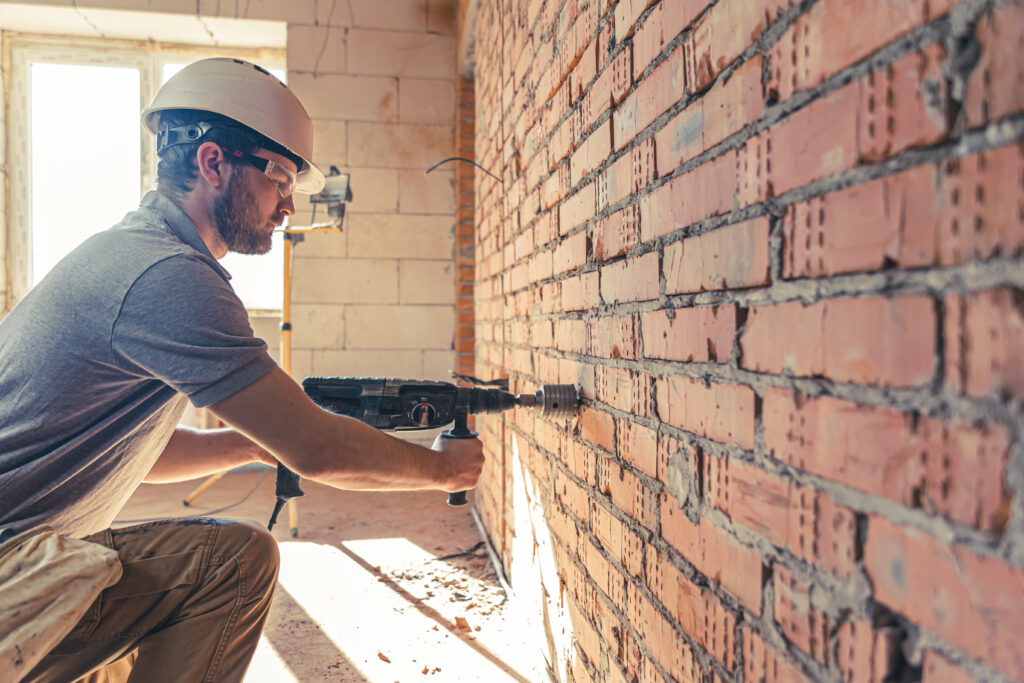
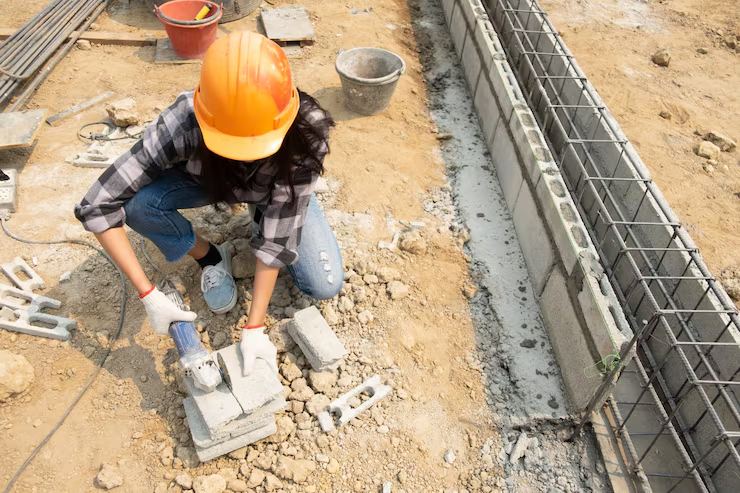
Work starts with a machine reaching the affected side of the house and digging down to the footing, exposing the wall fully so the actual condition of the stone or block is visible for the first time in decades.
Protecting Plantings and Hardscape
Shrubs, fencing, walkways and steps near the excavation side often have to come out or be protected before digging starts. On a tight Watertown lot, this is frequently the step that decides how the whole job is sequenced.
Treating the Wall
With the wall exposed, our Watertown crew repoints loose mortar, repairs cracks, and treats the surface before applying a waterproofing membrane to the exterior face.
Drainage and Backfill
A perimeter drain at the footing, set in washed stone, gives Watertown groundwater somewhere to go besides the wall.
Reinstating the Ground
The final grade has to slope away from the foundation, not toward it.
Why Access Decides the Job in Watertown
Watertown’s housing stock is dense: small lots, two-family homes with shared driveways, minimal side-yard setbacks, and aprons that open straight onto busy streets. None of that is a problem for the foundation wall itself, but it is a real problem for getting excavators, mini-loaders, and spoil trucks to the wall without damaging a fence, a neighbor’s hedge, or the only driveway two households rely on daily.

What to Check Before Calling
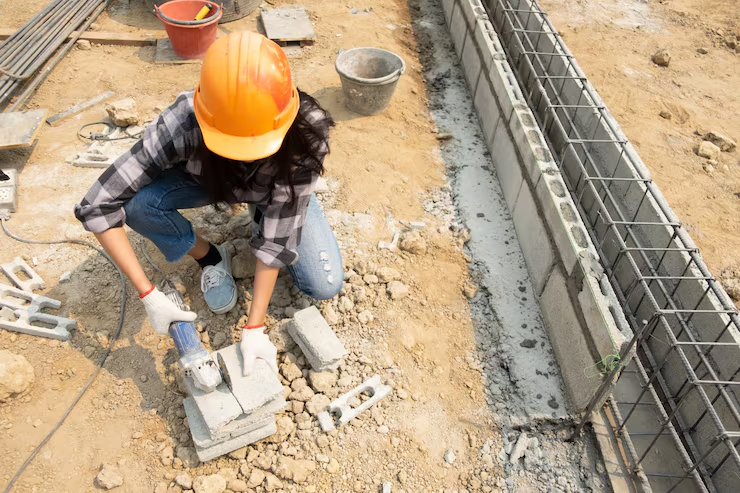
Before anyone comes out, a homeowner can do a few things that make the first visit more useful. Note where the water or dampness actually appears inside – which wall, how high, whether it tracks with heavy rain or shows up regardless. Look outside for obvious grading toward the house, a downspout that empties right against the foundation, or a paved or planted area that has crept up against the wall over the years. Photos of the inside symptom and the outside grade, taken over a couple of different weather conditions if possible, give a much clearer starting picture than a description after the fact.
If you are dealing with water in the basement, a bowing section of wall, or a foundation that has been worrying you for a while, call Driveway Specialists at (413) 337-3772 to talk through what you are seeing and what access looks like on your property.
What to check and write down first
These are the pointers that help most before anyone visits.
- Note where and when. Which wall, which corner, and whether it follows heavy rain, snowmelt or a particular season.
- Photograph it dry and wet. Take pictures of the same spot on a dry day and again after rain.
- Look at the outside. Check whether the ground beside that wall slopes toward the house, whether a downspout empties near it, and whether anything piles water against it.
- Check for movement. Look for horizontal cracks, a wall that leans in, or stones that have shifted. Mark the ends of a crack with a pencil and date it, so changes can be seen.
- Check the stonework. Press on the mortar. If it crumbles or sands away, say so.
- Think about access. Where could a machine stand, and what is in its way? Tell us who shares the drive or boundary.
- Leave it as you found it. Do not seal or patch the wall before we see it. It hides what we need to look at.
Questions we get asked
Is this the same crew that does driveways?
Foundation work and paving are different trades with different goals, though Driveway Specialists handles both. This page is specifically about exterior foundation excavation, wall treatment and drainage – not driveway installation or repair.
Why doesn't an interior sealant fix the problem?
An interior coating blocks water at the one spot it happens to be showing up. The pressure and moisture are still in the soil outside the wall, so the water usually finds a new path in – another joint, another crack – rather than stopping altogether.
Will the driveway or walkway need to come up?
If the excavation side of the house is where your drive, walk or steps sit, yes, that section has to come out and be rebuilt afterward. On narrower Watertown lots this is common since there is often little room between the house and the paved surface.
How disruptive is this kind of job?
More disruptive than an interior fix, since it involves digging down to the footing along the affected wall. On a tight lot with shared access, that disruption also has to be coordinated with neighbors who rely on the same driveway.
What should I document before calling?
Where the water or dampness shows up inside, whether it follows heavy rain, and photos of the outside grading, downspouts and any paving or planting against the foundation. That gives a much clearer starting point than a description alone.
Next step
Call us on (413) 337-3772. Tell us which wall, what you have seen, and how the lot slopes around it. We have worked across Middlesex County since 1988, and we will tell you plainly what is likely going on and whether outside work is the right answer.