
Foundation Work in Stow, MA
Water coming through a basement wall after a heavy rain. A damp corner that never quite dries out, spring after spring. A section of fieldstone or parged wall that is bowing, crumbling, or has started to lean. These are not cosmetic problems, and they do not start inside the house. They start outside, where the ground meets the foundation.
Stow has a lot of older houses on orchard and farm lots, many set well back from the road down long gravel or part-paved drives. The foundations under those houses are often original fieldstone or early poured concrete, built with no membrane and no perimeter drain, because that was simply not how it was done at the time. Water does not need a crack to get in. It moves through porous stone and old mortar on its own, pushed by hydrostatic pressure every time the soil around the house saturates. On lots with heavier clay content, which is common across this part of Stow, that saturation lingers for days after a storm instead of draining off quickly, which means the wall is under pressure far longer than it would be on sandier ground.
Sump pumps, interior drains, and wall coatings all manage water after it has already entered. They can keep a basement usable, but they do nothing for the wall itself, and a wall that keeps taking on water keeps getting weaker. The fieldstone or concrete degrades a little more with each wet season. Mortar joints open. Sections start to bow under soil pressure they were never built to resist once they’re saturated. By the time a bow or a horizontal crack is visible from inside, the wall has usually been losing integrity for years.
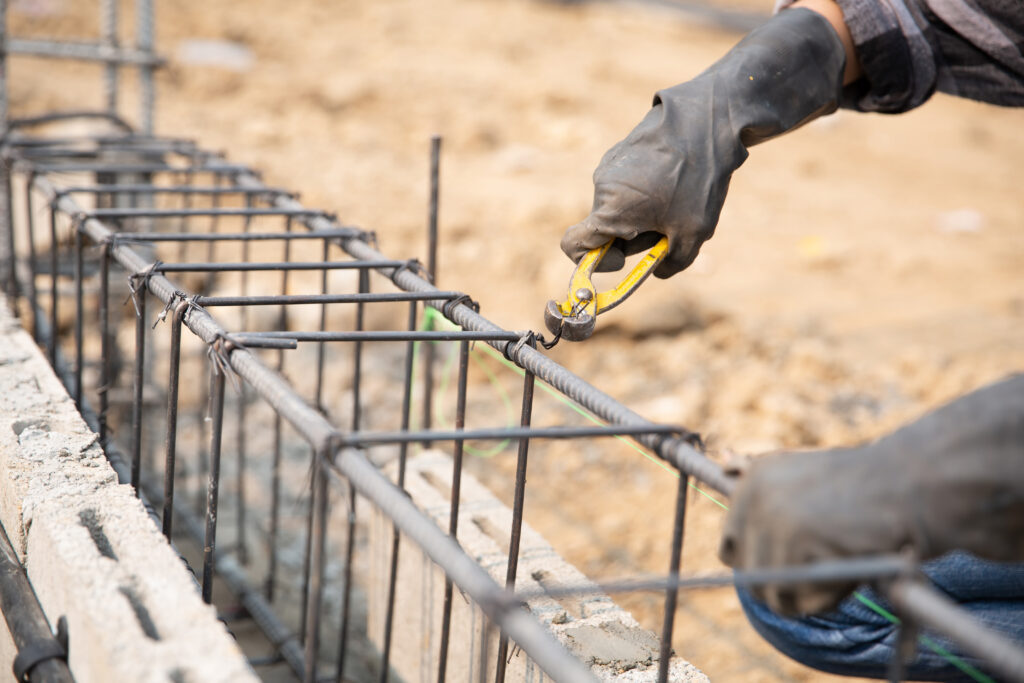
The actual fix is on the outside: excavate down to the footing, deal with the wall directly, and put drainage in the ground so water moves away from the house instead of through it. That typically means:
- Excavating along the affected wall down to footing level
- Repairing or rebuilding deteriorated stone, mortar, or concrete sections
- Installing a proper drainage membrane or coating against the wall
- Running new footing drain and grading the backfill to carry water away from the house
It is more disruptive and more involved than an interior patch, and it should be. It is addressing the cause instead of managing the symptom, and done properly it should outlast another round of interior patchwork by decades rather than years.
On a property like the ones common in Stow, with long setbacks and mature trees around the house, the first real question is not what the wall needs. It’s whether a machine can reach the side of the house that needs it, what landscaping or drive surface gets disturbed getting there, and how that area gets restored once the real work is done.


What Our Clients Say
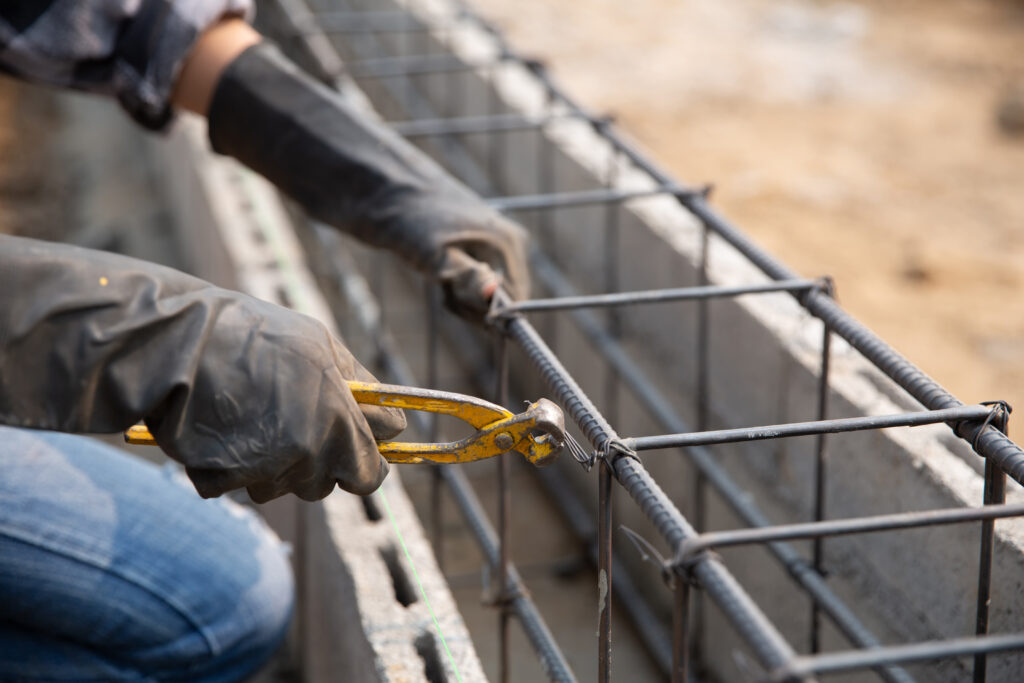
What's actually happening to the wall
Many Stow homes, particularly the older ones near the river flats and in the established neighborhoods off Fishcreek and Darrow, sit on fieldstone or early poured concrete foundations. Those walls were built to hold the structure up, not to hold water out. There’s no membrane behind the stone, no drainage layer, and often no footing drain at all. The wall itself is the only barrier between the house and the surrounding soil.
When that soil holds water, whether from poor grading, a stubbornly high water table, or just a wet stretch of Northeast Ohio weather, the wall absorbs it like a sponge. Over years, freeze-thaw cycling inside the saturated stone and mortar does the real structural damage. Water expands as it freezes, working joints open from the inside out, widening cracks that started as hairlines. That’s why the problem tends to show up worse after a hard winter, even though the leak itself may first appear to be a spring rainy-season issue. By the time water is visibly entering the basement, the freeze-thaw cycle has usually already been weakening the wall for several seasons.
Excavation and access
The work starts by exposing the wall from outside, down to the footing. On an orchard-lot property in Stow with a long gravel drive and mature trees close to the house, getting an excavator to the right side of the foundation is often the hardest part of planning the job, harder than the wall work itself. We walk the access route before equipment ever arrives, checking gate widths, turning radius, and overhead clearance against the machine we’d normally bring.
Root systems, overhead branches, and the width of the existing drive all factor into whether a full-size machine can get in, or whether the approach has to be scaled down and done in stages by hand closer to the house. On tighter lots this often means:
- Swapping a standard excavator for a compact, narrow-track machine
- Hand-digging the last stretch near trees or utility lines to protect roots
- Staging spoil further from the house and moving it in loads
- Laying temporary protection over gravel to limit rutting and damage
Working out this sequence up front keeps the driveway, trees, and landscaping intact once backfilling begins.
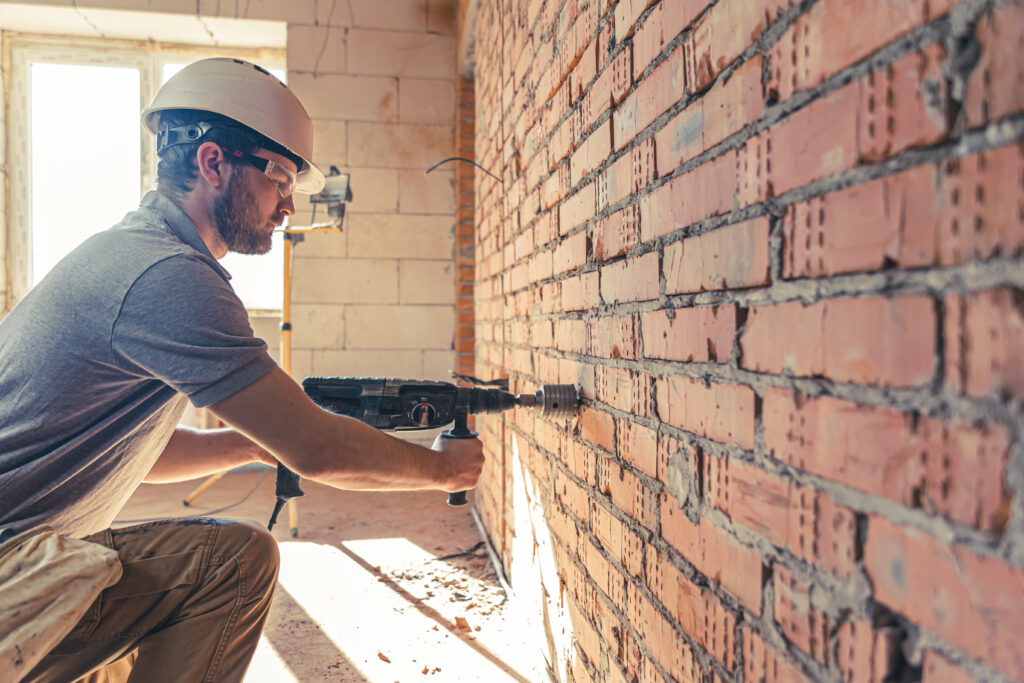
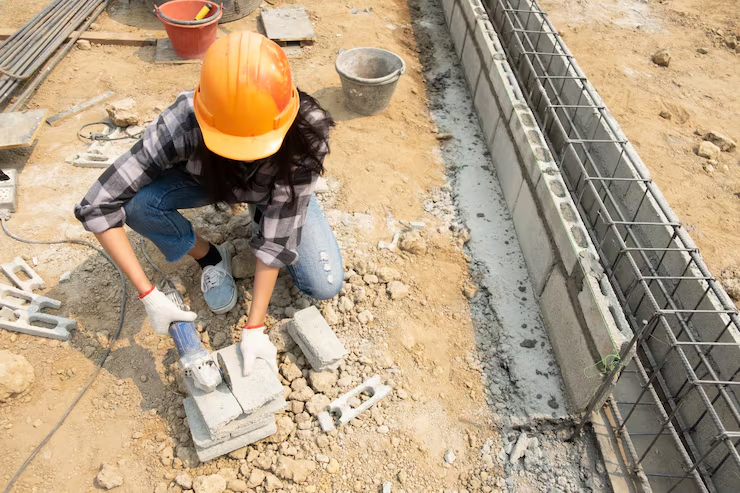
The work, in order
Planting and hardscape near the wall
Shrubs, foundation plantings, and any walkway or patio along the affected wall usually must come out before excavation starts.
Treating the wall itself
Once the wall is exposed, cracked mortar gets repointed and any damaged stone or concrete is rebuilt. A drainage membrane goes against the wall face to carry water down to the footing drain instead of through the stone.
Drainage and backfill
A perimeter drain at the footing carries water to daylight or a dry well, away from the house. Backfill goes back in stages, with free-draining material against the wall instead of the original dense soil.
Reinstating the ground
The final grade has to slope away from the house, not toward it. On a long rural lot this is often the first time the ground around the foundation has ever been properly pitched since the house was built.
Regrading and the surface afterward
Once drainage work is backfilled, we regrade so water runs away from the foundation, not back toward it. Gravel drives near the wall lift and relay easily; paved aprons usually need redoing to match the new grade properly.
What to check before anyone comes out
Note where the water or damp actually shows up inside, which wall, which corner, how high it runs, and whether it changes after heavy rain versus a dry spell. Check outside for obvious signs: a downspout emptying right at the foundation, ground that slopes toward the house instead of away, or a visible crack or bulge in the wall. Note too whether the crack is a hairline or wide enough to fit a coin, and whether it’s growing. Photos of all of this, taken over a few different weather conditions if possible, are genuinely useful when it’s time to explain the problem rather than just describe it.
Also worth noting: how close the nearest mature trees are to the affected wall, and roughly how wide the access is along that side of the house. On many Stow properties, with long drives, mature trees, and established plantings close to the foundation, that access detail shapes the whole approach before a machine or crew ever shows up. Older homes in town, in particular, often have root systems and drainage patterns that aren’t obvious until someone’s looking for them specifically.

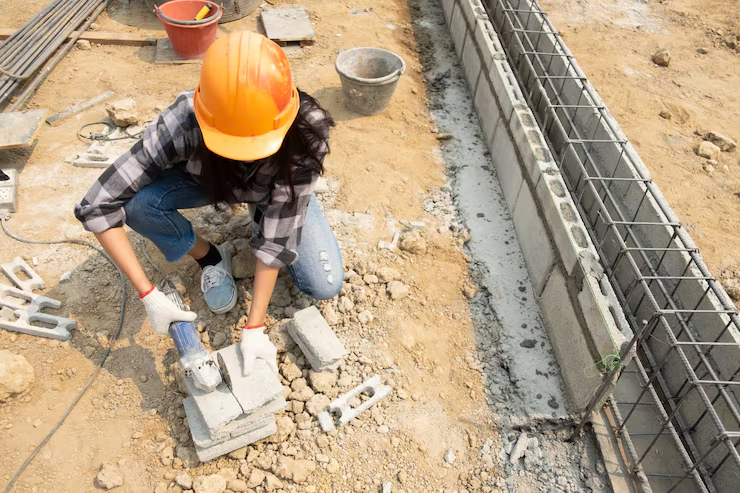
Getting started
Foundation problems get more expensive to fix the longer the wall sits saturated. Stow’s clay-heavy soil swells and contracts with the seasons, and that movement puts steady pressure on basement walls and footings until something gives. If there’s water coming through, a wall that’s bowed or cracked, a door that’s started sticking, or a corner of the yard that stays wet well after everyone else’s has dried out, those are signs the foundation and the drainage around it need a real look, not just a patch.
The next step is getting someone out to assess the wall itself along with the grading, gutters, and access around the house, since all of that affects how water moves toward or away from the foundation. On the visit, expect a walk-through of the affected areas, a look at any cracking or movement, and a plain explanation of what’s causing it before any work gets scheduled. Call Driveway Specialists at (413) 337-3772 to describe what you’re seeing and arrange a visit.
What to check and write down first
These are the pointers that help most before anyone visits.
- Note where and when. Which wall, which corner, and whether it follows heavy rain, snowmelt or a particular season.
- Photograph it dry and wet. Take pictures of the same spot on a dry day and again after rain.
- Look at the outside. Check whether the ground beside that wall slopes toward the house, whether a downspout empties near it, and whether anything piles water against it.
- Check for movement. Look for horizontal cracks, a wall that leans in, or stones that have shifted. Mark the ends of a crack with a pencil and date it, so changes can be seen.
- Check the stonework. Press on the mortar. If it crumbles or sands away, say so.
- Think about access. Where could a machine stand, and what is in its way? Tell us who shares the drive or boundary.
- Leave it as you found it. Do not seal or patch the wall before we see it. It hides what we need to look at.
Questions we get asked
Is this the same crew that does driveways?
Foundation work is a separate trade from paving. It involves excavation down to the footing, wall repair, and drainage, not surface paving. We handle it as its own job with its own approach.
Will my gravel drive or walkway need to be redone?
If it runs close to the wall being excavated, yes, at least the section over the disturbed ground. Gravel is generally simpler to lift and relay than a paved surface in the same spot.
How do you deal with mature trees near the foundation?
We look at root spread and canopy before deciding on machine access. Sometimes the approach has to be scaled back or done by hand close to the house to avoid damaging root systems.
Does fixing the wall guarantee a dry basement?
Exterior excavation, wall repair, and drainage address the actual cause of water movement through the wall and the grading around it. We won't promise a specific outcome, but this is the work that targets the source rather than managing symptoms indoors.
Next step
Call us on (413) 337-3772. Tell us which wall, what you have seen, and how the lot slopes around it. We have worked across Middlesex County since 1988, and we will tell you plainly what is likely going on and whether outside work is the right answer.