
Foundation Work in Bellingham, MA
Water is coming through a basement wall after heavy rain, or there is a damp patch in the corner that never fully dries out. Maybe a section of foundation is bowing inward, or the mortar between the stones is crumbling and falling away when you touch it. None of that is a cosmetic problem. It is a sign that water is finding its way into the wall itself, and in older houses around Bellingham, especially the ones set back on the rural roads toward the Rhode Island and Woodstock Valley state line, that is usually exactly what is happening.
Houses built before foundations were poured as solid concrete typically sit on fieldstone or rubble construction. There is no membrane on the outside, no footing drain running around the base, nothing stopping groundwater from moving straight through the gaps between stones. Water does not need to rise under the slab to get in. It moves laterally, through the wall, following the same path every time it rains hard or snow melts fast. That is why the damp patch comes back in the same spot every spring, and why it tends to get slightly worse each year as the mortar keeps washing out.
Bellingham’s mix of clay-heavy soil and granite ledge does not help matters. Clay holds water against the foundation instead of letting it drain away, and where ledge sits close to the surface, water that would otherwise soak down gets pushed sideways toward the nearest wall it can find, which is often the house. Grading that slopes toward the foundation instead of away from it, gutters that dump straight at the base, and downspouts with no extension all add to the volume of water a stone wall has to deal with before any frost action even starts working the mortar loose.
Why this is outside work, not inside work
A lot of homeowners try sealant or interior coatings first, because it is cheaper and does not involve digging up the yard. Those treatments can hide the symptom for a while, but they do not stop water from reaching the wall. They just stop it being visible once it has. The water is still moving through the stone, still carrying fines out of the mortar joints, still freezing and thawing inside the wall every winter, widening the gaps a little more each season. Treating it from outside, meaning excavation down to the footing, a drainage layer, and a membrane against the wall itself, addresses where the water is coming from rather than where it ends up. It is more disruptive and costs more than a tube of sealant, and that is worth saying plainly before anyone starts digging up a flower bed.


What Our Clients Say
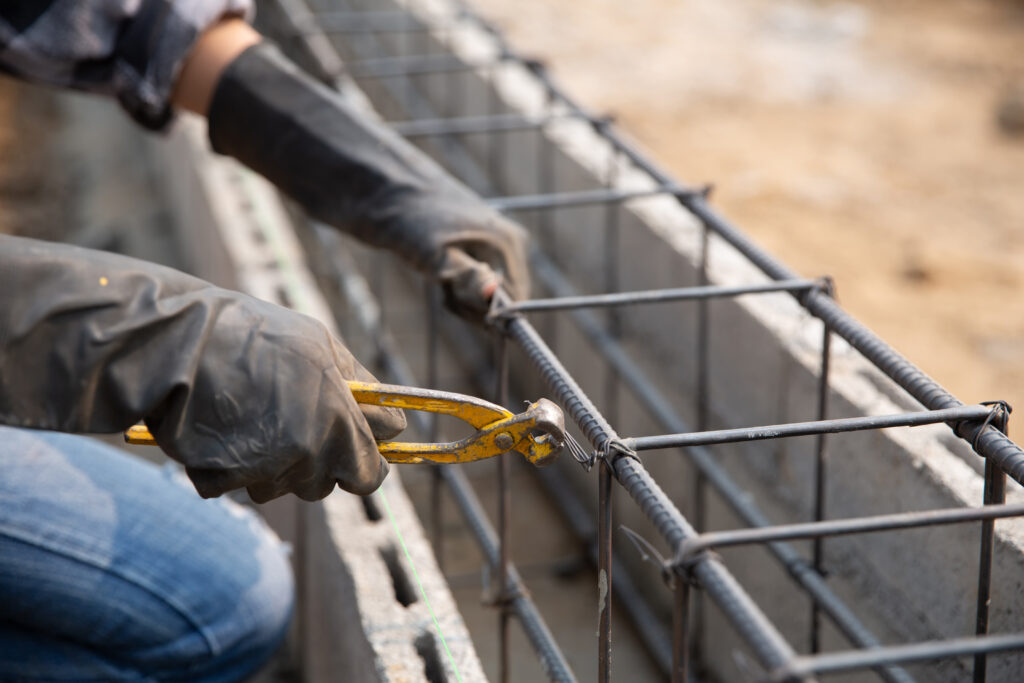
What the work actually involves
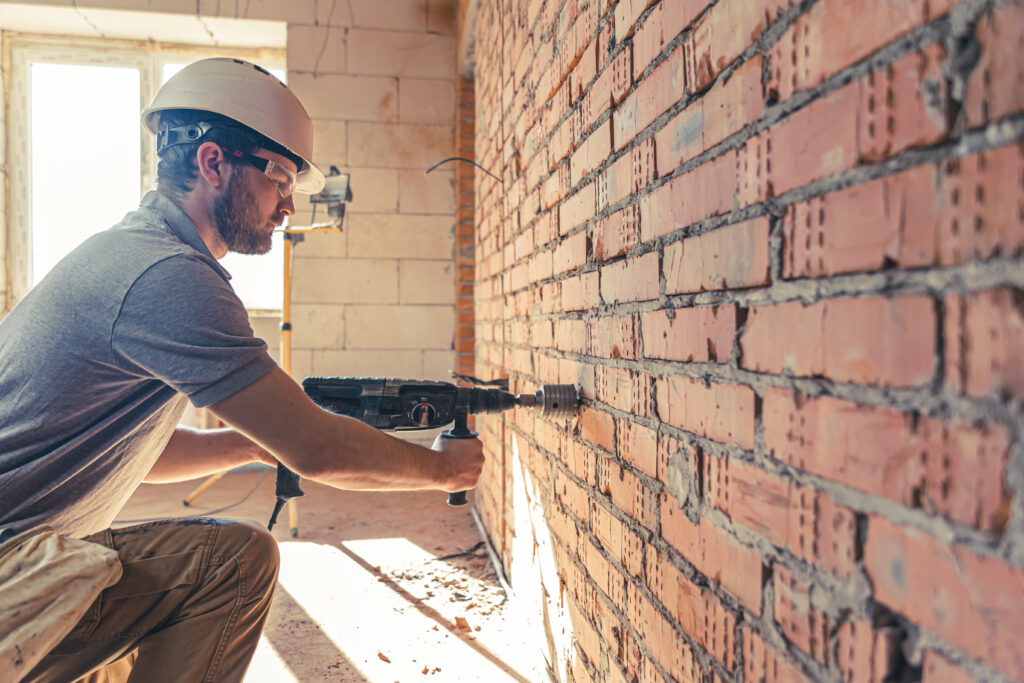
On newer subdivision lots around Bellingham, with wide drives and open side yards, getting an excavator to the affected wall is usually straightforward. On older rural properties, where the house may sit closer to a well, a septic field, mature trees, or a stone-lined foundation, the approach often has to be worked out on a case-by-case basis before any digging starts, including where equipment can safely sit and how spoil gets staged on the lot.
The sequence itself is generally consistent: excavate down to the footing on the affected side, assess the wall condition once it’s exposed, treat it, install or replace the drainage at the base, backfill in proper lifts rather than dumping it all back at once, and regrade the surface so water sheds away from the house afterward rather than pooling against it.
- Footing excavation and inspection
- Crack repair or wall treatment
- New or replacement footing drainage
- Compacted backfill and surface regrading
Each step gets checked before moving to the next, since covering a problem early just means digging it back up later.
Planting, hardscape, and what has to move
Shrubs, small trees, and anything planted close to the foundation usually has to come out before excavation starts, and not everything survives being relocated. In Bellingham’s older neighborhoods, mature rhododendrons and established hedges along the foundation line are often the first casualty of a dig, so it’s worth deciding early which plants are worth the risk of transplanting and which should just be replaced afterward. Patios, walkways, or steps built right against the wall may need to be lifted and reset once the work below them is finished, which adds time and cost to the job. Fences, irrigation lines, and downspout extensions running along the excavation path typically need to be disconnected or temporarily removed as well.
- Plants and shrubs within a few feet of the foundation wall
- Patios, walkways, or steps built against the house
- Fencing sections that block equipment access
- Sprinkler lines and downspout drainage running along the dig path
Our crews flag these items during the initial walk-through so there are no surprises once digging starts, and we’ll talk through what can realistically be saved versus what should be planned for replacement.
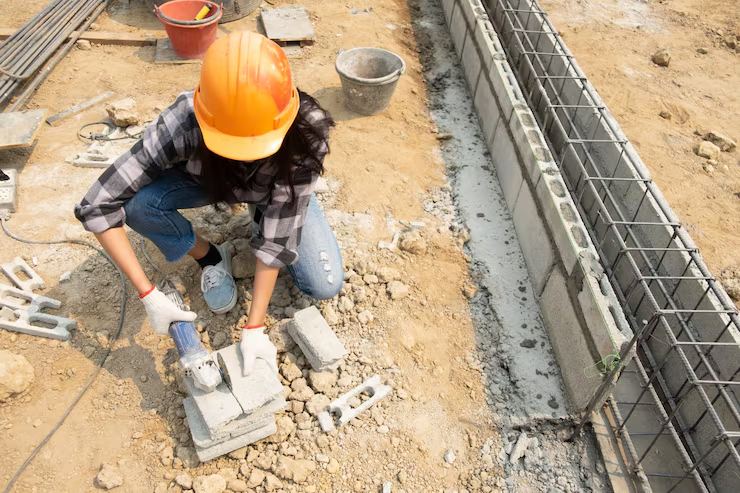
The work, in order
Wall treatment once exposed
Once the wall is uncovered, the actual condition of the stone and mortar becomes clear for the first time. Loose or washed-out joints get repointed, and a drainage membrane is applied to the exterior face before backfilling begins.
Drainage at the footing
A perimeter drain at the base of the footing gives water somewhere to go besides through the wall. Without it, the same moisture problem tends to return within a few wet seasons, even after repointing.
Backfill and compaction
Backfill goes back in layers, compacted as it goes, rather than dumped and left. In Bellingham’s clay-heavy ground, loose backfill settles unevenly over winter and can pull the new drainage layer out of position.
Reinstating the ground
The final grade around the house needs to slope away from the foundation, not toward it. Lawn, beds, and any hardscape get rebuilt on top once the structural work below is finished and settled.
Access is usually the deciding factor
On a wide Bellingham subdivision lot, a mini-excavator can often reach three sides of the house. On an older rural lot with a well, septic field, or mature oaks nearby, it may only work one side, changing the whole sequence.
Regrading and what it means for the drive or walk
Fixing the water problem properly almost always means changing the grade right next to the house, and that grade often runs into the driveway apron, a front walk, or a patio edge. If the slope near the foundation has been part of the problem, that section may need to come up and be reset once the drainage work below it is finished and compacted. It is not unusual for what started as a basement leak to end with a short stretch of driveway or walkway rebuilt at the point where it meets the house, simply because the old grade was sending water toward the wall instead of away from it. Bellingham's older neighborhoods often have driveways and walks poured decades ago, tight to the foundation, with almost no fall built in, which is part of why the problem showed up in the first place. That is not scope creep. It is the same water problem traced back to its actual source, which is often a few feet of bad slope rather than the wall itself.

What to check before anyone comes out
Before calling, it helps to note when the water or damp appears, whether it follows heavy rain or snowmelt specifically, and which side of the house it shows up on. Photos of the affected wall, inside and outside, and of how the ground slopes near that section are genuinely useful. If downspouts or sump discharge are dumping water close to the foundation, note where they drain to as well. None of this requires special knowledge, just a careful look during or right after the next wet spell.
If you are seeing water, damp, or a crumbling wall section at a Bellingham property, call Driveway Specialists at (413) 337-3772 to talk through what you are seeing and whether an exterior fix is the right next step.
What to check and write down first
These are the pointers that help most before anyone visits.
- Note where and when. Which wall, which corner, and whether it follows heavy rain, snowmelt or a particular season.
- Photograph it dry and wet. Take pictures of the same spot on a dry day and again after rain.
- Look at the outside. Check whether the ground beside that wall slopes toward the house, whether a downspout empties near it, and whether anything piles water against it.
- Check for movement. Look for horizontal cracks, a wall that leans in, or stones that have shifted. Mark the ends of a crack with a pencil and date it, so changes can be seen.
- Check the stonework. Press on the mortar. If it crumbles or sands away, say so.
- Think about access. Where could a machine stand, and what is in its way? Tell us who shares the drive or boundary.
- Leave it as you found it. Do not seal or patch the wall before we see it. It hides what we need to look at.
Questions we get asked
Can this be fixed from inside the basement instead?
Interior sealants and coatings can reduce visible moisture for a while, but they do not stop water from moving through the wall itself. They treat where the water shows up, not where it is getting in. For a wall that is actively leaking or crumbling, exterior work addresses the actual source.
Will landscaping or a patio near the foundation need to be removed?
Often yes, if it sits within reach of the excavation. Plants close to the wall may not survive being moved, and hardscape built right against the foundation usually needs to be lifted and reset once the work below it is complete.
How is this different from the driveway paving work Driveway Specialists also does?
Foundation work is excavation, drainage, and structural repair around the house itself. It is a separate trade from paving, though the two can overlap where a driveway apron or walkway meets the foundation and needs to be reset as part of the regrade.
What causes water to come through an old fieldstone foundation in the first place?
Fieldstone and rubble foundations were built without a membrane or a perimeter drain. Groundwater moves through the gaps between stones rather than under the slab, which is why the same wet spot tends to reappear in the same spot every time it rains hard.
Next step
Call us on (413) 337-3772. Tell us which wall, what you have seen, and how the lot slopes around it. We have worked across Middlesex County since 1988, and we will tell you plainly what is likely going on and whether outside work is the right answer.