
Foundation Work in Harvard, MA
Water coming through a basement wall after heavy rain. A damp corner that never quite dries out between storms. A section of fieldstone or rubble foundation that bows inward or sheds mortar when you touch it. These are not cosmetic problems and they are not driveway problems. They are foundation problems, and they call for a different trade entirely.
A lot of the older farmhouses and homesteads around Harvard sit on fieldstone or rubble foundations built long before anyone used a damp-proof membrane or a perimeter drain. That stone wall was never meant to be watertight. It was built to hold the house up, and for well over a century it has done exactly that. The water problem shows up later, when the ground around it changes, when a gutter starts dumping water against one corner, or when decades of frost finally open a gap that was once tight.
Water moves through the wall, not under it. With a rubble or fieldstone foundation, water rarely rises up through a slab the way it might in a newer poured-concrete basement. It travels through the wall itself, soaking into the mortar joints and gaps between stones from the outside, then finding its way into the basement as damp, a trickle, or in wetter years an active run. Painting or sealing the inside face of that wall does nothing to stop the water getting into the wall in the first place. It just hides where it comes out, often pushing the moisture sideways into a different joint lower down.
That is the core of why this is exterior work. The problem starts outside, at the point where soil meets stone, and that is where it has to be solved. On the kind of rural, orchard-country properties common around Harvard – long gravel drives, houses set well back, mature trees and open grade running away from the house – the ground around the foundation has often never been touched since the house was built. Regrading and drainage done properly out there can carry water away for good. Done without understanding the slope of the land, it just moves the problem to another wall.
A proper assessment on a Harvard property usually looks at more than the wet wall itself. It should account for:
- Where roof runoff actually lands, and whether gutters and downspouts are discharging near the foundation
- The existing grade and whether soil has settled or been built up against the stone over the years
- Mortar condition joint by joint, since a few failed sections can let in far more water than the rest of the wall combined
- Mature trees and root systems close to the wall, which are common on older Harvard lots and can shift both soil and stone over time


What Our Clients Say
Why This Is an Outside Job
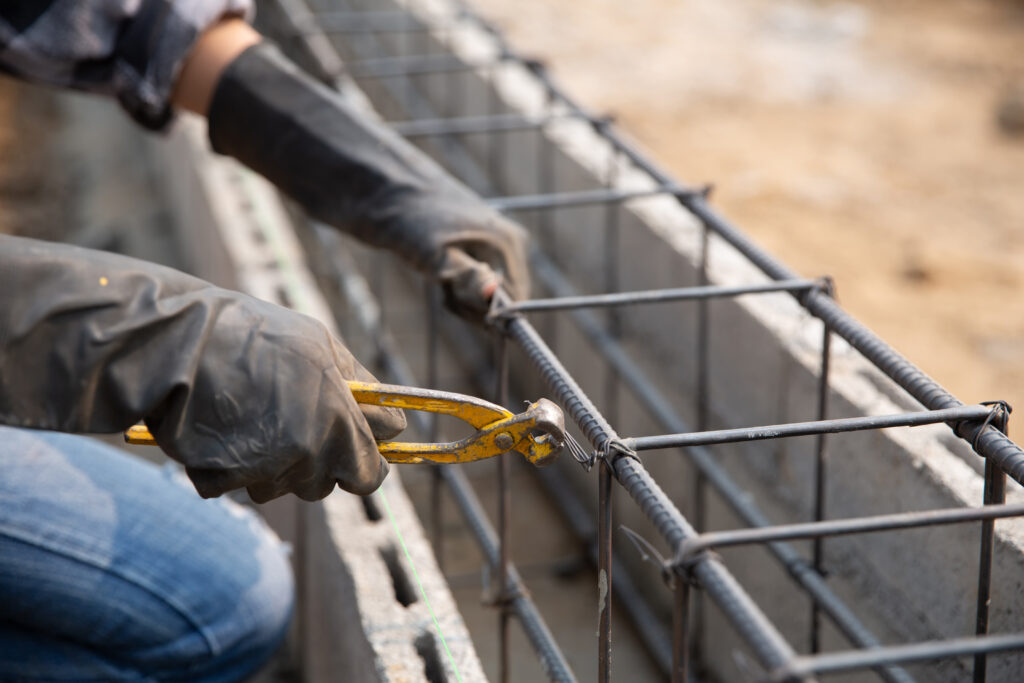
Interior fixes are tempting because they are faster and cheaper. A sump pump, an interior drain channel, a coating on the block – all of these manage water once it has already gotten into the basement. None of them stop water from reaching the wall in the first place.
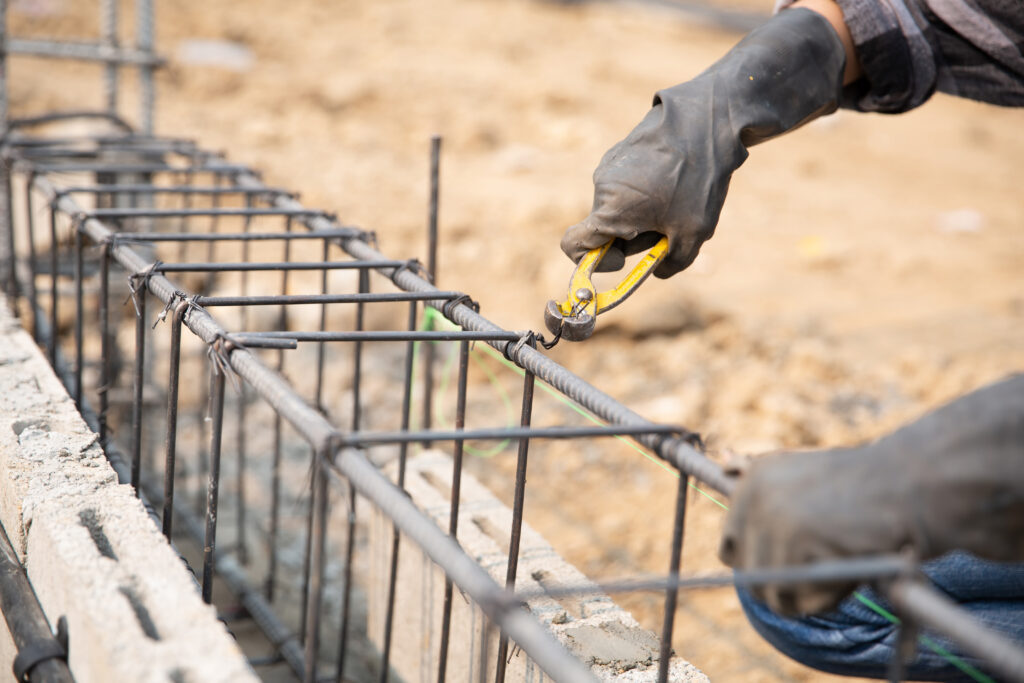
Exterior work is slower and more disruptive. It means excavating along the affected section of foundation, down past the footing in most cases, to expose the outside face of the wall. There is no way around the disruption: planting gets dug out, grade near the house gets cut open, and the yard looks worse before it looks better.
The Work in Sequence
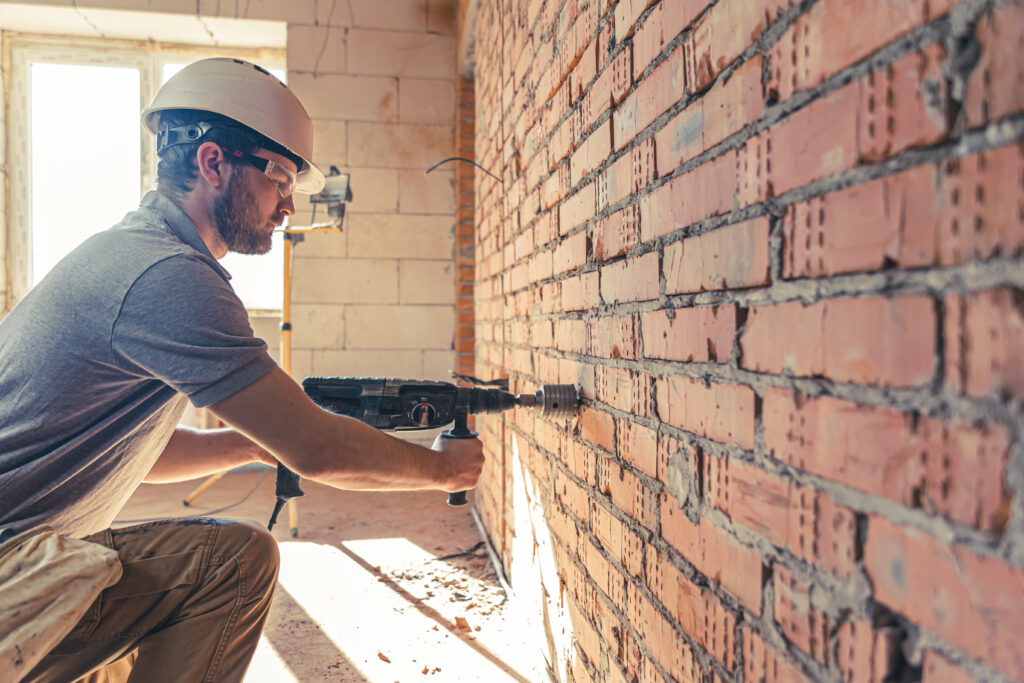
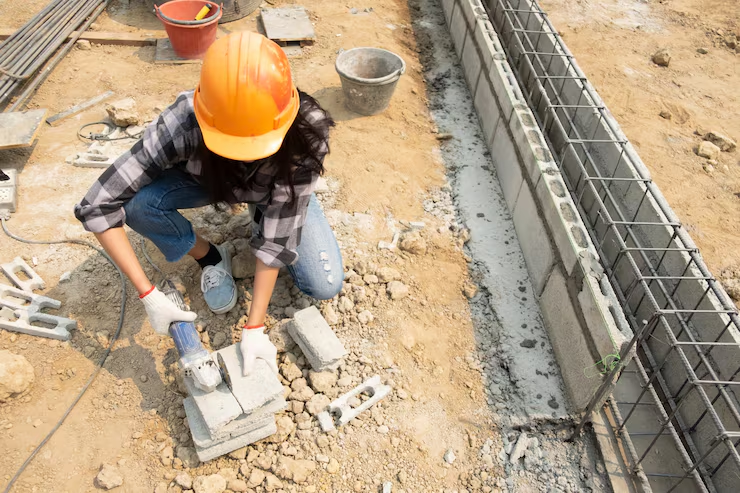
Foundation excavation around Harvard’s older stone and block foundations follows a set order, because each step depends on the one before it. Access and digging come first: clearing a path to the wall and removing soil down to the footing by hand near the house, with machine work further out. Anything in the way – shrubs, a section of walk, an old stone border common on properties near the town center – gets moved or protected before digging reaches the wall.
The work, in order
Access Decides the Approach
On Harvard’s long gravel drives and open rural lots, whether a machine can reach the affected wall side without crossing soft ground or mature root zones often sets the whole plan before any digging starts.
Orchard-Country Grades
Harvard’s sloped, former orchard land means water already wants to move. If that slope runs toward the house instead of away from it, drainage work has to correct the grade, not just the wall.
Protecting What Is Already There
Mature trees, stone walls and old plantings are common on Harvard properties. Each gets assessed before digging so roots, drainage lines and hardscape near the foundation aren’t damaged needlessly, preserving the character and value already built into the landscape.
Houses Set Well Back
With many Harvard homes set well back from the road, equipment often needs a long haul in along the existing gravel drive, which affects timing, access planning, and what landscaping, fencing, or edging needs protecting along the route before foundation work can begin.
No Two Walls Alike
Fieldstone foundations around Harvard vary wall to wall, even course to course. We inspect each section on its own merits, checking mortar, bulging, and moisture separately.
Regrading and the Surface Afterward
Once the wall and drain are done, the backfilled area has to be graded so water runs away from the house rather than settling back against the new work. On a property with a long gravel drive, that often means the final stretch of drive or the apron nearest the house gets disturbed during excavation and has to be regraded or reworked afterward. The same applies to a walk or a patch of lawn sitting over where the trench ran.
This is where the grading has to be done with a clear eye on where water actually wants to go across the whole property, not just the few feet nearest the wall. On sloped, former orchard land, a grade that looks fine right at the foundation can still funnel water back in from twenty feet away if the wider slope isn’t accounted for. Getting this final surface right is what keeps the problem from resurfacing after everyone has left and the yard looks settled again.

What to Check Before Anyone Comes Out
Before scheduling a visit, it helps to document a few things: where the water or damp actually shows up on the inside wall, whether it tracks with heavy rain or shows up days later, and whether any downspouts, gutters, or surface runoff point toward that side of the house. Older Harvard properties with fieldstone or poured foundations often show different patterns than newer builds, so note the wall type if you know it. Photos of the affected wall, inside and outside, taken in dry and wet conditions, and a rough sense of which corner or section is worst all help narrow down the cause before any digging starts.
- Grading or landscaping that slopes toward the foundation
- Cracks, bowing, or efflorescence (white mineral staining) on the wall
- Sump pump operation, if one is already installed
What to check and write down first
These are the pointers that help most before anyone visits.
- Note where and when. Which wall, which corner, and whether it follows heavy rain, snowmelt or a particular season.
- Photograph it dry and wet. Take pictures of the same spot on a dry day and again after rain.
- Look at the outside. Check whether the ground beside that wall slopes toward the house, whether a downspout empties near it, and whether anything piles water against it.
- Check for movement. Look for horizontal cracks, a wall that leans in, or stones that have shifted. Mark the ends of a crack with a pencil and date it, so changes can be seen.
- Check the stonework. Press on the mortar. If it crumbles or sands away, say so.
- Think about access. Where could a machine stand, and what is in its way? Tell us who shares the drive or boundary.
- Leave it as you found it. Do not seal or patch the wall before we see it. It hides what we need to look at.
Questions we get asked
Is this the same crew that does driveway paving?
Foundation excavation and drainage is a separate trade from paving, handled as its own job with its own sequence of work – access, excavation, wall treatment, drainage, and regrading.
Will fixing the foundation wall affect my driveway?
If the drive or apron runs near the affected wall, excavation can disturb that section, and it will need to be regraded or reworked once the drainage and backfill work is finished.
Can this be done without digging up the yard?
Exterior foundation work requires excavating down to the footing on the affected side, so some disruption to planting, lawn, or hardscape near that wall is part of the job.
How do I know if it's an interior or exterior problem?
If water or damp is coming through the wall itself rather than up through the floor, the source is almost always outside, where soil meets the foundation, which is why the fix has to happen there.
Next step
Call us on (413) 337-3772. Tell us which wall, what you have seen, and how the lot slopes around it. We have worked across Middlesex County since 1988, and we will tell you plainly what is likely going on and whether outside work is the right answer.