
Foundation Work in Southborough, MA
Water coming through a basement wall after heavy rain. A corner of the yard that stays wet every spring long after the rest of the lawn has dried. A section of foundation wall that bows inward or has started shedding mortar and small stones. These are not cosmetic problems, and they are not driveway problems. They are foundation problems, and they call for excavation, not paving.
A lot of the older houses around Southborough’s center, and plenty of the newer ones built into the wooded, rolling terrain further out, sit on foundations that were never built to keep water out on their own. Fieldstone and rubble walls, poured walls with no exterior membrane, footings with no perimeter drain tile. For decades that was normal construction. It works until the grading around the house changes, a downspout starts dumping water against the wall, or the soil simply saturates in a wet spring and has nowhere else to go.
Water moves through the wall, not under it. This is the part most homeowners do not expect. The water is not rising up through the floor slab. It is passing straight through the wall material itself, through the mortar joints in a fieldstone wall or through hairline cracks and cold joints in poured concrete. Hydrostatic pressure builds up in the saturated soil outside, and the wall is the path of least resistance. On a sloped Southborough lot, that pressure is often worse on the uphill side of the house, where runoff from the lawn above has nowhere to go but down against the foundation.
Interior fixes, sump pumps, interior drain channels, waterproof paint, manage the water once it is already inside. They do not stop it from entering the wall in the first place. Depending on the extent of the problem, the right conversation is sometimes a combination of interior and exterior work, but the only way to actually stop water from moving through a wall is to deal with the outside of it.
That means excavation: exposing the wall from the footing up, addressing the wall surface itself, rebuilding drainage at the base, and backfilling properly. It is slower and more disruptive than anything done from inside, and on a mature, landscaped lot it usually affects plantings, walkways, or a section of driveway close to the house. Before any digging starts, we walk the property to look at:
- Grading and slope direction around the affected wall
- Downspout and gutter discharge points near the foundation
- Visible crack patterns, bowing, or mortar loss on the wall itself
- Existing drainage, or the lack of any, at the footing level


What Our Clients Say
Why This Has to Be Done From Outside
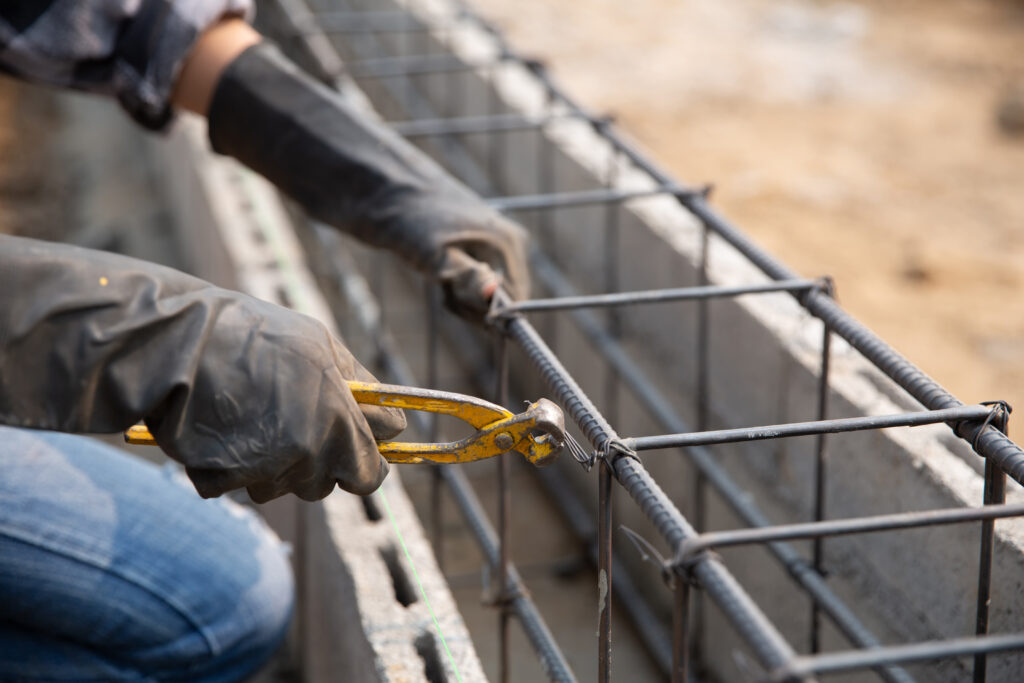
An interior coating or channel manages water after it has already found its way through the wall. It does not address the pressure causing it, the saturated soil pushing against aging masonry, or the grading that sends runoff straight at the house. Exterior work removes the soil against the wall, corrects the wall itself with proper waterproofing, and rebuilds the drainage path so water is carried away before it ever reaches the foundation again.
Sequence of the Work
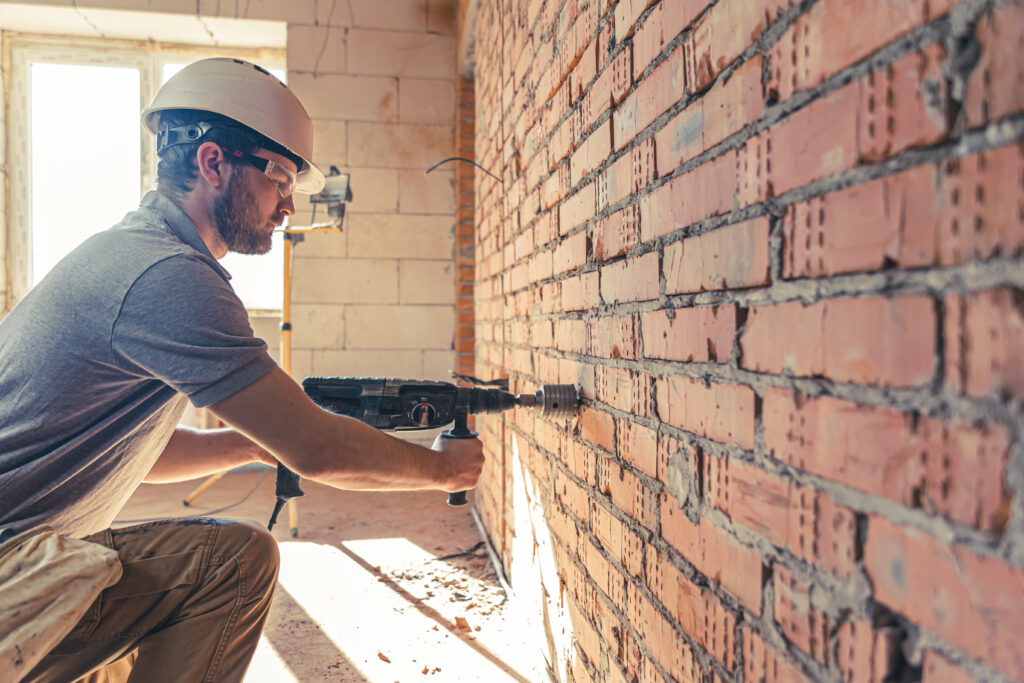
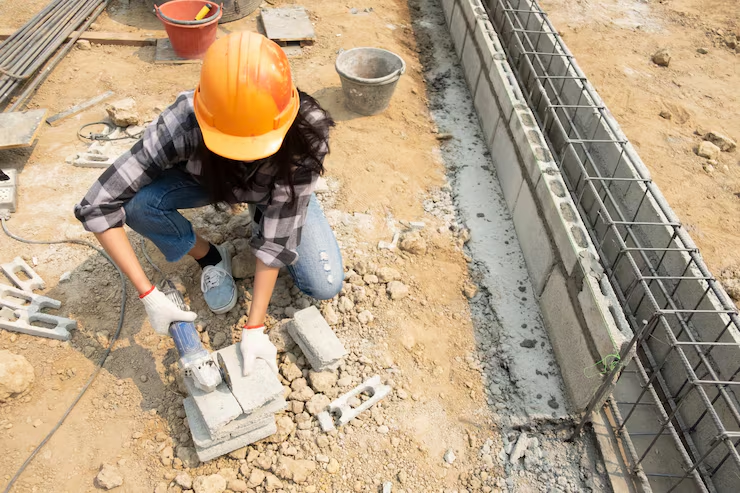
Excavation starts at the problem section and works down past the footing. Whatever sits in the way, shrubs, a section of patio, a narrow side path, usually has to be removed and set aside, not simply dug through. Many Southborough properties have mature plantings and tight side-yard access, so this stage often takes longer than homeowners expect, particularly on older lots where the original grading wasn’t done with future excavation in mind. The wall itself gets treated once it is exposed and the surface is sound and dry enough to work with; any cracked or spalled sections get addressed before waterproofing goes on, not covered over.
The work, in order
Access Decides the Approach
Large wooded lots and long, rolling drives are typical in Southborough. Whether equipment can reach the affected wall, or materials must be hand-carried through a side yard, shapes both the plan and the price before any digging starts.
Mature Trees Complicate the Dig
Oaks and maples close to a foundation mean roots running directly through the excavation path. We work around significant roots where we can, since cutting them can affect both the tree and the soil’s ability to drain.
Historic Center Frontage
Near Southborough’s older center, stone walls, mature hedges and period-sensitive frontage often sit close to the foundation. We dig carefully to reach the wall, protecting root systems and historic stonework, preserving the character that defines the front of the property.
Long Drives With Grade
A driveway that falls toward the house carries water downhill with it.
What Comes Back After Backfill
Once the wall and drainage are done and backfill is settled, the surface above it gets reinstated, soil, grading, and any hardscape that had to come up to reach the wall in the first place.
Regrading and the Surface Afterward
Fixing the wall solves the pressure problem. It does not solve a yard that still slopes the wrong way. Once backfill is in and settled, the ground around the house often needs regrading so surface water sheds away from the foundation instead of pooling back against it, undoing the work just done below.
If a section of driveway, walkway, or patio had to be removed to get equipment or workers to the wall, that surface has to be rebuilt once the drainage and backfill are finished. We treat that as a separate, honest line item rather than folding it into the foundation price, because it is genuinely separate work with its own timeline.
On a rolling Southborough lot, final grading matters as much as the excavation itself. A wall can be perfectly repaired and still take on water again within a couple of seasons if the ground above it was not re-sloped correctly. We check the finished grade against the house before calling the job done, not just the wall.

Before You Call Someone Out
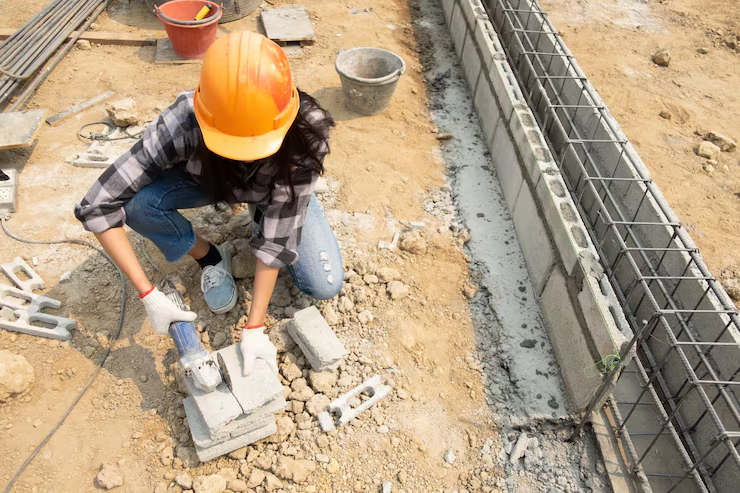
A few things help us give you an accurate read before we ever get on site. Note exactly where water appears inside, which wall, how high, and whether it follows heavy rain or shows up days later with no rain at all. Photograph any cracking, bowing, or crumbling on the exterior wall where you can see it, along with any step cracks in the mortar joints on brick or block foundations. Check where your downspouts discharge and whether the ground near the foundation slopes toward or away from the house. Southborough’s mix of older homes with fieldstone or block foundations and newer builds on clay-heavy soil means the cause of a problem varies a lot from one street to the next.
That information, along with a look at the lot itself, tells us whether this is a drainage and grading fix, a wall repair, or something more involved. Call (413) 337-3772 and we will talk through what you are seeing and what it likely means before anyone sets foot on the property.
What to check and write down first
These are the pointers that help most before anyone visits.
- Note where and when. Which wall, which corner, and whether it follows heavy rain, snowmelt or a particular season.
- Photograph it dry and wet. Take pictures of the same spot on a dry day and again after rain.
- Look at the outside. Check whether the ground beside that wall slopes toward the house, whether a downspout empties near it, and whether anything piles water against it.
- Check for movement. Look for horizontal cracks, a wall that leans in, or stones that have shifted. Mark the ends of a crack with a pencil and date it, so changes can be seen.
- Check the stonework. Press on the mortar. If it crumbles or sands away, say so.
- Think about access. Where could a machine stand, and what is in its way? Tell us who shares the drive or boundary.
- Leave it as you found it. Do not seal or patch the wall before we see it. It hides what we need to look at.
Questions we get asked
Is this the same company that does driveway paving?
Yes, Driveway Specialists has worked across Worcester and Middlesex counties since 1988, but foundation excavation and drainage work is a separate trade from paving, with its own equipment, sequence, and planning. We will tell you plainly if your issue needs a foundation specialist, a drainage fix, or both.
Do you fix the problem from inside the basement?
No. Interior sealants and drains manage water after it has already passed through the wall. We work from the outside, excavating down to the footing, addressing the wall, and rebuilding the drainage path so water is carried away before it reaches the foundation at all.
Will this disturb my landscaping?
Likely, at least near the affected wall. Shrubs, beds, and sometimes a section of hardscape close to the house usually need to come out before excavation and go back afterward. We plan the dig to limit disruption but cannot avoid it entirely on a tight access lot.
How do I know if this is a drainage problem or a wall problem?
Often it is both. Poor surface grading and clogged or misdirected downspouts create the pressure that eventually finds its way through a weak point in an old wall. We assess the grading, the drainage path, and the wall condition together rather than treating them as separate questions.
What should I check before calling?
Note where and when water appears inside, photograph any visible exterior cracking or bowing, and check where your downspouts drain relative to the house. That information helps us give you a more accurate picture before we come out.
Next step
Call us on (413) 337-3772. Tell us which wall, what you have seen, and how the lot slopes around it. We have worked across Middlesex County since 1988, and we will tell you plainly what is likely going on and whether outside work is the right answer.