
Foundation Work in Walpole, MA
Water coming through a basement wall after rain. A damp patch that never fully dries out, even in a dry summer. A corner of the foundation that looks like it’s bowing inward, or mortar joints that are crumbling to sand when you touch them. These are not cosmetic problems. They’re signs that the foundation itself is taking on water it was never built to handle, and the fix is not inside the basement. It’s outside, in the ground.
Walpole has a mix of housing stock that matters here. The newer suburban subdivisions generally sit on foundations with at least some drainage consideration built in. The older houses, particularly on the rural roads through the outer sections of town, often sit on fieldstone or rubble foundations poured or stacked long before anyone thought about a membrane or a perimeter drain. Those walls were built to hold the house up, not to keep water out. Over decades, the ground around them settles, grading flattens, and water that used to run off starts sitting against the wall instead.
Why interior work doesn’t solve it
A lot of homeowners try an interior fix first: a sump pump, an interior drain channel, a sealant coating on the inside face of the wall. These can manage water once it’s already inside, but they don’t stop it from moving through the wall in the first place. Water under pressure finds the path of least resistance, and a block or stone wall with no exterior barrier gives it plenty of paths. Interior work treats the symptom. The water is still getting into the wall structure itself, which is how you end up with spalling, efflorescence, and eventually structural softening in masonry that was otherwise sound for a hundred years.
The only way to actually stop water at the source is to go outside: excavate down to the footing, deal with the wall itself, put in drainage that carries water away from the foundation instead of into it, and backfill properly. It’s slower and more disruptive than an interior fix, and it costs more upfront, because you’re moving a lot of earth instead of running a channel along a basement floor. But it’s addressing the cause instead of managing the result.


What Our Clients Say
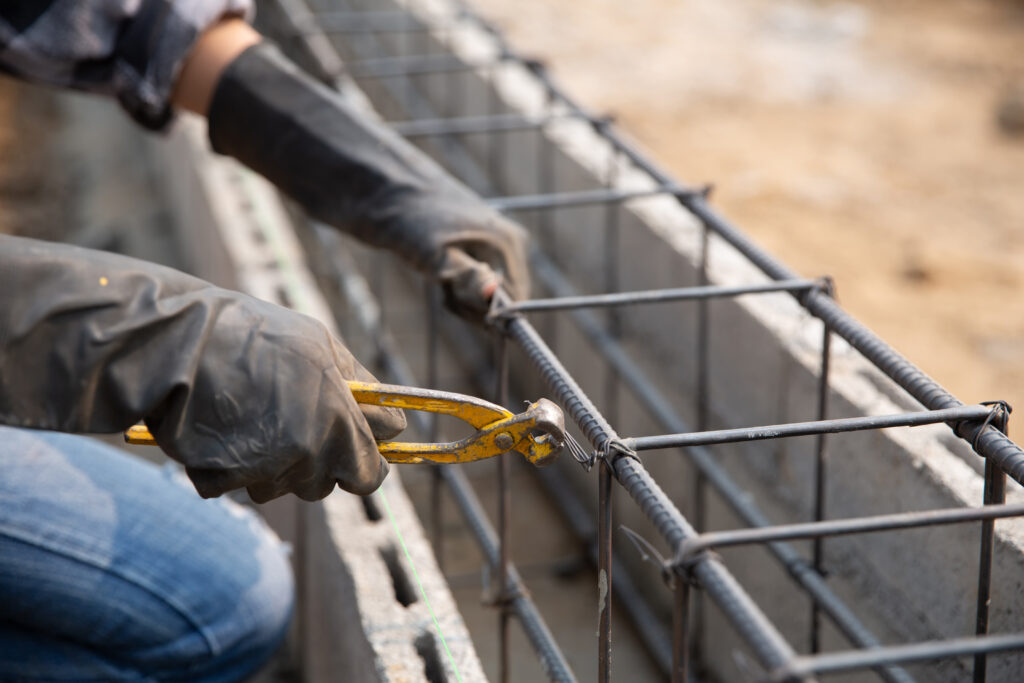
What's Actually Happening at the Wall
Fieldstone and rubble foundations are porous by nature. There’s no continuous waterproof membrane, often just old parging or nothing at all. Water in the surrounding soil moves through the gaps and the stone itself, especially under hydrostatic pressure when the ground is saturated after the heavy rain and snowmelt cycles common around Walpole. It’s not seeping under the footing in most cases. It’s moving laterally through the wall itself, finding every joint and soft mortar line along the way.
That distinction matters for the fix. A drain at the base of the wall only helps if the wall above it also stops taking on water. That’s why exterior work usually involves both: a drainage path at the footing and a barrier up the face of the wall. On older Walpole properties, this often means:
- Excavating to expose the full wall height, not just the lower few feet
- Parging or coating the stone to close surface gaps
- Installing a drainage membrane before backfilling with free-draining stone
Skipping any one of these steps usually means the water finds another way in within a season or two.
The Work, In Sequence
Exterior foundation work follows a fairly consistent order, though the details shift with the house and the lot. Walpole’s mix of older fieldstone-foundation homes and newer poured walls means the crew adjusts the approach, but the sequence stays the same. First is access and excavation: digging down along the affected section of wall, down to the footing, to expose the full height of the problem area. Next, whatever was growing or built against that section comes out of the way, temporarily or for good, depending on how close it was planted or poured.
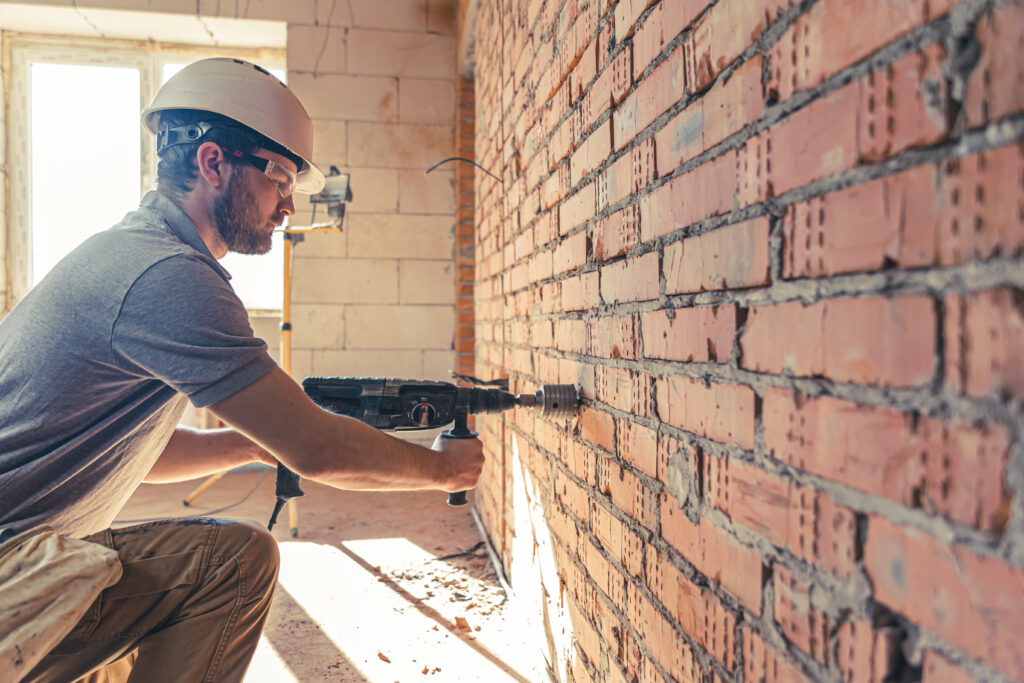
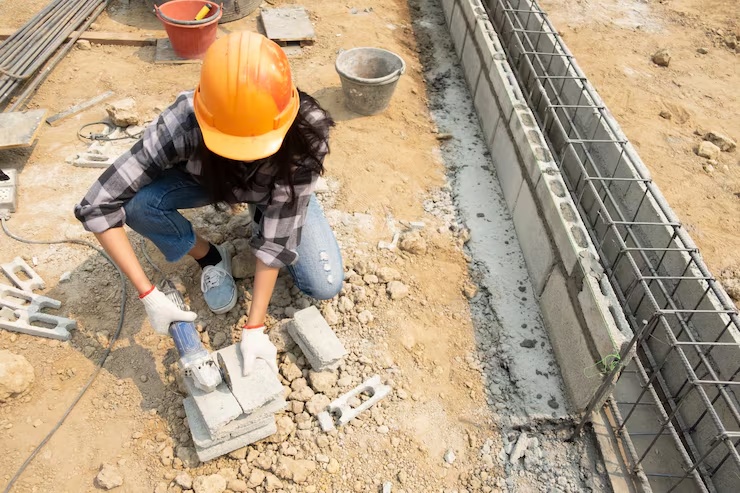
The work, in order
Access Decides the Approach
On the straight, level lots common through Walpole’s subdivisions, a mini excavator usually has a clear run to most sides of the house. Tighter rural lots or mature plantings close to the foundation change that math fast.
What Happens to Plantings and Hardscape
Shrubs, garden beds, walkways and fencing within the excavation zone typically must come out before digging starts in Walpole. Mature plantings close to the foundation sometimes can’t be saved or relocated; that’s worth discussing with your contractor before work begins.
The Wall Itself
Stone and mortar in poor condition gets repointed or rebuilt in sections before any exterior barrier goes on.
Drainage and Backfill
A perimeter drain at the footing gives water a path away from the wall instead of through it.
Regrading the Surface
The final grade should slope away from the house on every affected side. On a flat Walpole lot, even a small, deliberate pitch away from the foundation makes a real difference over a wet season.
Regrading and the Surface Above
Once backfill is compacted, the ground on top has to be shaped so water runs away from the house rather than back toward it. On the straight, generally level lots typical of Walpole’s newer streets, this is usually a matter of reestablishing a gentle pitch away from the foundation across lawn or beds. It sounds minor, but a flat or inward-sloping grade next to a foundation undoes a lot of the drainage work below it, and on these lots there’s often little natural fall to rely on, so the pitch has to be built in deliberately rather than assumed.

What to Check Before Anyone Comes Out
Before calling, it helps to document what you’re seeing: photos of the damp area or wall damage, note when it appears (after heavy rain, during spring thaw, or constantly), and whether it’s gotten worse recently or been a slow, longstanding issue. Look outside at the grading immediately around the affected section. Note any downspouts, patios, or walkways nearby and whether they’re directing water toward the house rather than away from it. In many older Walpole neighborhoods, decades of settling, tree roots, and additions built onto original foundations all play a part, so it’s worth mentioning the age of the house and any past repair work when you call.
A few things worth checking yourself first:
- Gutters and downspouts clear and draining away from the foundation
- Visible cracks: hairline, stair-step, or wide enough to fit a coin
- Doors or windows that have started sticking
- Soil pulled away from, or piled against, the foundation wall
What to check and write down first
These are the pointers that help most before anyone visits.
- Note where and when. Which wall, which corner, and whether it follows heavy rain, snowmelt or a particular season.
- Photograph it dry and wet. Take pictures of the same spot on a dry day and again after rain.
- Look at the outside. Check whether the ground beside that wall slopes toward the house, whether a downspout empties near it, and whether anything piles water against it.
- Check for movement. Look for horizontal cracks, a wall that leans in, or stones that have shifted. Mark the ends of a crack with a pencil and date it, so changes can be seen.
- Check the stonework. Press on the mortar. If it crumbles or sands away, say so.
- Think about access. Where could a machine stand, and what is in its way? Tell us who shares the drive or boundary.
- Leave it as you found it. Do not seal or patch the wall before we see it. It hides what we need to look at.
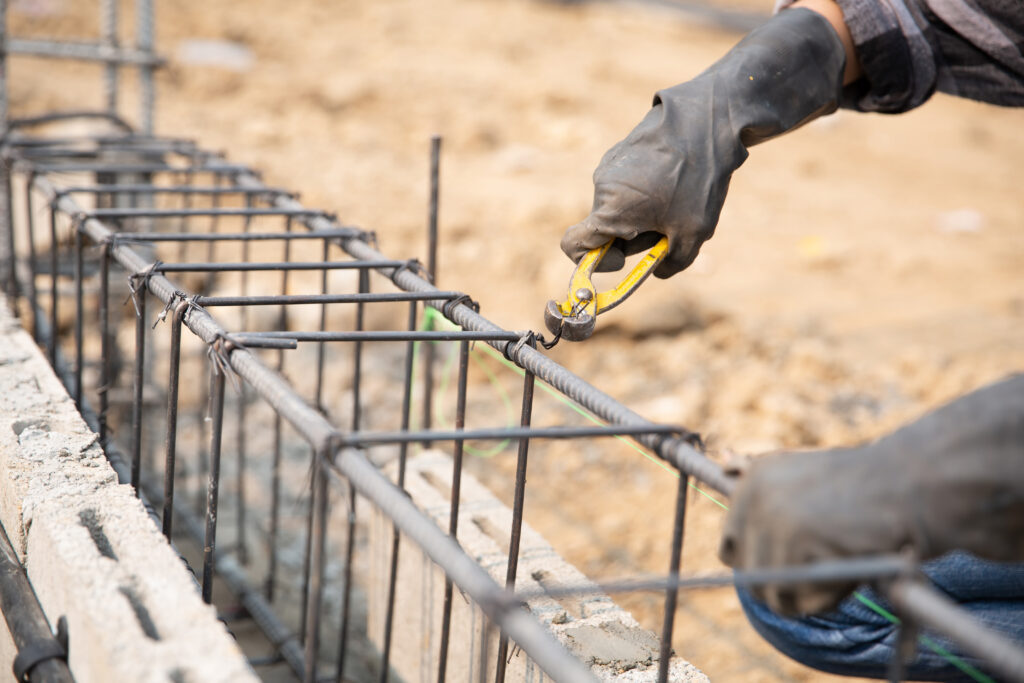
Questions we get asked
Is this the same crew that does driveway paving?
Foundation work and paving are different trades with different equipment and sequencing, though they can overlap on a job when a driveway or walkway sits over an excavation area. We handle both, but foundation work is scoped and planned separately from any paving.
Can this be done without digging up the whole yard?
Usually, yes. Excavation is typically limited to the section of wall that's actually failing, not the full perimeter of the house. The extent depends on how far the water problem has spread along the wall.
What if the problem is on the side of the house a machine can't reach?
Some older Walpole properties have tight side yards, mature trees, or fencing close to the foundation. In those cases some work may need to be done by hand, which changes the timeline but not the basic approach.
Will my landscaping be ruined?
Plantings and hardscape directly in the excavation path usually have to be removed, and some mature plantings close to the wall may not survive being disturbed. We'll walk the site with you beforehand so there are no surprises.
How do I know if this is a foundation issue versus just a gutter problem?
Water that only shows up near one downspout after heavy rain is often a surface drainage or gutter issue. Water that appears in multiple spots, during dry periods, or alongside visible wall damage usually points to the foundation itself.
Next step
Call us on (413) 337-3772. Tell us which wall, what you have seen, and how the lot slopes around it. We have worked across Middlesex County since 1988, and we will tell you plainly what is likely going on and whether outside work is the right answer.