
Foundation Work in Wellesley, MA
Water coming through a basement wall after heavy rain, a damp corner that never fully dries out, a section of fieldstone that is crumbling or bowing inward — these are foundation symptoms, not driveway problems, and they need a different approach. If you own one of Wellesley’s older homes, or you are deep into a teardown-rebuild on a lot with mature grading, the foundation underneath was very likely never built to modern standards in the first place.
Houses built before the mid-20th century in this part of Norfolk County typically sit on fieldstone or rubble foundations laid up with lime mortar. There is no membrane on the outside face, and in most cases there was never a perimeter drain installed at the footing. The wall itself is porous. Water in the surrounding soil does not have to find a crack to get in — it moves straight through the stone and mortar whenever the ground around the house holds more moisture than the wall can resist. That is why the damp often tracks with the seasons: worse in spring thaw and after prolonged rain, better in a dry summer. Clay-heavy soil, common across much of Wellesley, makes this worse because it drains slowly and keeps pressure against the wall long after the rain itself has stopped.
Newer builds are not automatically exempt either. A poured concrete foundation can still take on water if the original backfill was never properly drained, if downspouts discharge too close to the wall, or if grading has settled toward the house over the years rather than away from it. A cracked or missing weeping tile at the footing produces the same symptoms as an old stone wall with no drain at all.
Why this is exterior work, not a basement project
Sealing or coating the inside face of the wall treats where the water ends up, not where it is coming from. It can mask a problem for a while and sometimes make diagnosis harder later, because the wall still holds water behind the coating. Dealing with the cause means going outside: excavating down to the footing on the affected side, cleaning and treating the exterior face of the wall, installing or restoring a drain path at the base, and backfilling with material that moves water away rather than holding it against the stone. It is a bigger, slower job than anything done from inside, and on an established lot it disturbs planting beds, lawn, and sometimes a walk or patio edge that sits close to the house.
Before any digging starts, it is worth identifying:


What Our Clients Say
What Drives the Decay
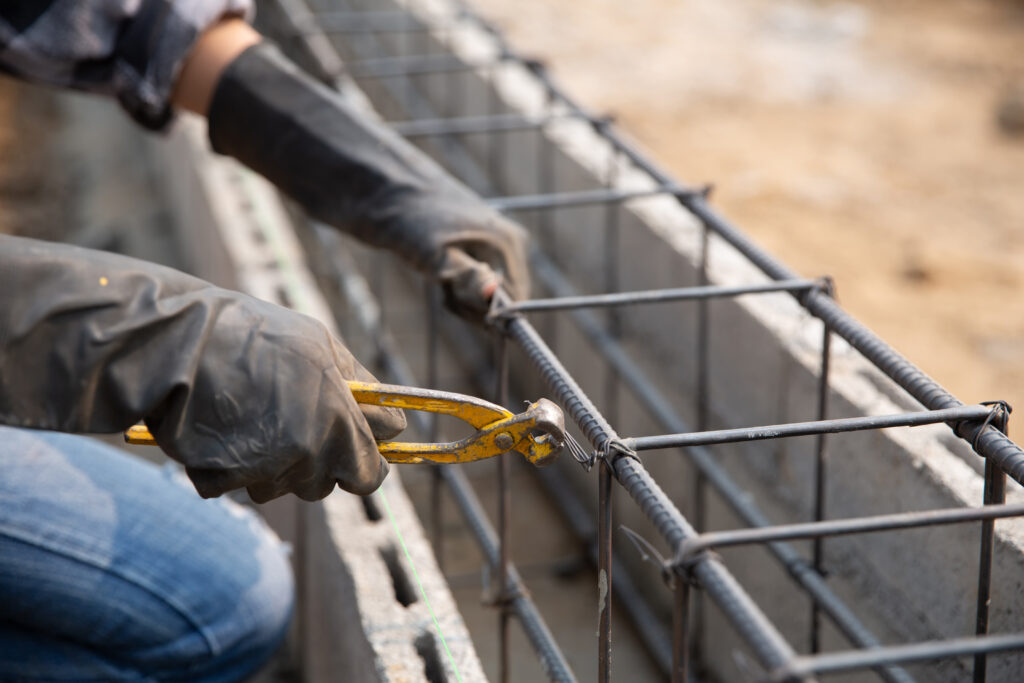
Fieldstone and rubble walls were built for a drier relationship with the ground than most now have. Lawns were regraded over decades, additions changed roof runoff patterns, and downspouts were moved or disconnected. Soil that used to slope away from the house often settles back toward it over fifty or seventy years, and nobody notices until the wall starts showing it. Freeze-thaw cycles do the rest: water works into old mortar joints each winter, expands, and widens hairline cracks a little more every season until they become structural.
Reading the Access Before the Dig
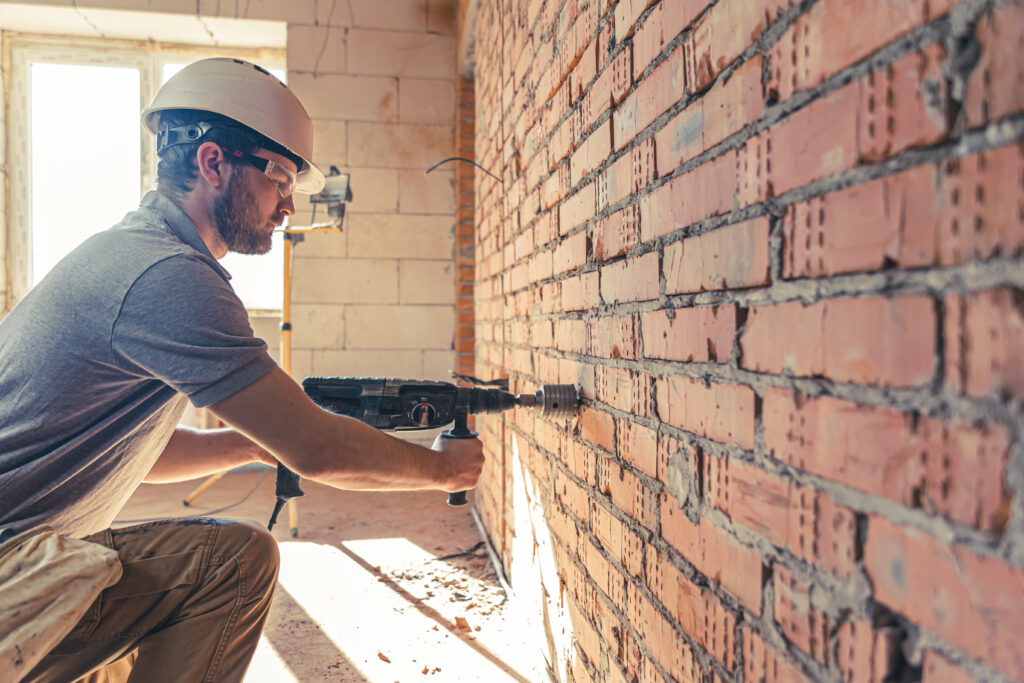
On a Wellesley lot with mature trees, stone walls, and finished plantings close to the house, the first real question is whether an excavator can reach the affected wall at all. A side yard with a specimen tree and a tight gate is a different job from an open rear lawn, and the approach — machine excavation versus hand digging a narrow trench — follows from that answer, not the other way round. Many of the town’s older streets were laid out long before equipment access was a design concern, so a walk-through often turns up a low iron fence, an irrigation line, or a septic field that has to be routed around rather than through.
The work, in order
Protecting What's Already There
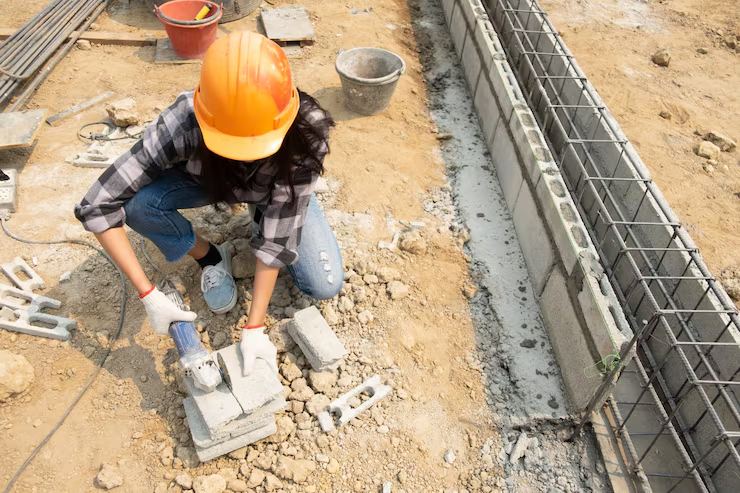
Mature plantings, stone edging, and irrigation lines near the foundation often have to be removed or set aside before digging starts. On an established lot that groundwork can take as long as the excavation itself.
Working the Wall Face
Once exposed, the exterior face is cleaned back to sound stone and mortar. Any failing sections are repointed or rebuilt before drainage or membrane work goes in — there is no point sealing a wall that is still structurally moving.
Drainage at the Footing
A perimeter drain at the base of the wall gives water somewhere to go other than through the stone. Where none existed before, this is often the single change that matters most to a wet basement.
Backfill That Works With the Wall
Backfill material is chosen to move water down and away rather than hold it against the wall. Clean, free-draining stone is layered correctly near Wellesley foundations.
Bringing the Grade Back
Once the trench is backfilled, the surface has to be rebuilt so it sheds water away from the house rather than back toward it — lawn, beds, and any hardscape that sat over the dig.
Regrading and What Sits on Top of It
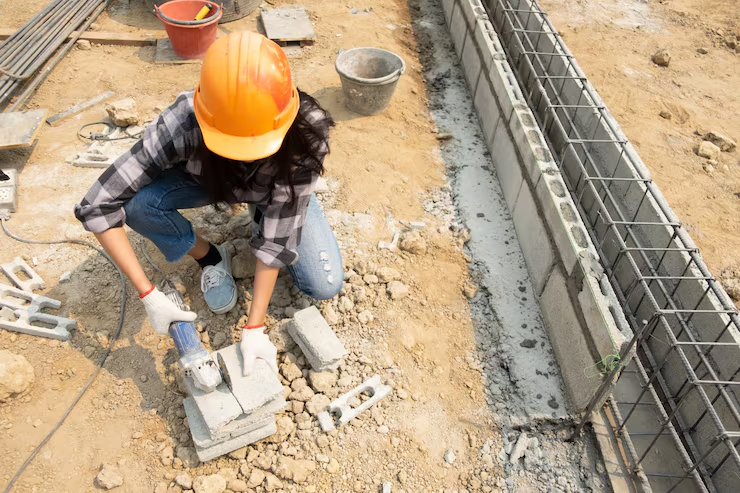
Backfilling the trench is only half the job. The ground on top has to be shaped so water runs away from the house rather than settling back toward the wall you just repaired. On a Wellesley lot where a walk, patio, or the edge of a drive runs close to the foundation, that surface often has to come up before excavation starts and gets rebuilt afterward — not as paving work in its own right, but because it sits directly over where the trench needs to open.

Before You Call Someone Out
A few things are worth noting before anyone comes out to look at the wall. Where exactly the water or damp appears — one corner, a whole wall, a specific joint, or along a cove where wall meets floor. Whether it tracks with rain within a day or two, or shows up independent of weather, which points toward groundwater or a high water table rather than surface runoff. How the downspouts, grading, and any window wells currently run near that section of the house. Many Wellesley foundations are older fieldstone or block, and the fix often depends on which one you’ve got. Photos from after a heavy rain are more useful than a description from memory weeks later, since cracks and seepage patterns can look different once things dry out.
What to check and write down first
These are the pointers that help most before anyone visits.
- Note where and when. Which wall, which corner, and whether it follows heavy rain, snowmelt or a particular season.
- Photograph it dry and wet. Take pictures of the same spot on a dry day and again after rain.
- Look at the outside. Check whether the ground beside that wall slopes toward the house, whether a downspout empties near it, and whether anything piles water against it.
- Check for movement. Look for horizontal cracks, a wall that leans in, or stones that have shifted. Mark the ends of a crack with a pencil and date it, so changes can be seen.
- Check the stonework. Press on the mortar. If it crumbles or sands away, say so.
- Think about access. Where could a machine stand, and what is in its way? Tell us who shares the drive or boundary.
- Leave it as you found it. Do not seal or patch the wall before we see it. It hides what we need to look at.
Questions we get asked
How do you know if it's the foundation and not just basement humidity?
Humidity tends to be general and consistent across the basement regardless of weather. Foundation water usually shows up at a specific wall or corner and gets noticeably worse within a day or two of heavy rain or snowmelt, because it's tracking moisture in the ground outside that section of wall.
Will you need to remove plants or hardscape near the foundation?
Often, yes, on the side being excavated. On established Wellesley lots this can mean temporarily lifting beds, stone edging, or a section of walk or patio that sits close to the house. We identify this during the access walk-through before work starts.
Is this the same crew that does driveway paving?
No. Foundation excavation, drainage and wall repair is a separate trade from paving and is scoped and run as its own job, even when it happens on a property where we're also doing hardscape work.
Can you fix this from inside the basement instead?
Interior coatings can reduce visible dampness but they don't address water moving through the wall from outside. For a wall with ongoing water or structural issues, the exterior excavation and drainage work addresses the actual source.
What determines whether this is a quick repair or a bigger excavation?
Mainly the extent of the failing wall section and how easily a machine can reach it. A short run on an open side of the house is a more contained job than a long wall behind mature plantings or a tight side yard.
Next step
Call us on (413) 337-3772. Tell us which wall, what you have seen, and how the lot slopes around it. We have worked across Middlesex County since 1988, and we will tell you plainly what is likely going on and whether outside work is the right answer.