
Foundation Work in Framingham, MA
Water coming through a basement wall after rain. A corner of the foundation that stays damp no matter the season. A section of fieldstone that is starting to bow, flake, or crumble at the mortar joints. If any of that sounds like your house, the problem usually is not the basement itself. It is what is happening outside, at and below grade, where the foundation meets the soil.
This is a different trade from the driveways and patios we also build. It is excavation, drainage, and the structure of the house itself, and it has to be treated that way from the first visit, with a real inspection before any digging starts.
Why older Framingham foundations fail this way
A lot of the housing stock in Framingham, from the dense two-family streets near the center to the post-war subdivisions that fill most of the town, sits on fieldstone, rubble, or early poured foundations with no membrane and no working perimeter drain. These walls were never built to block water. They were built to hold the house up. Water does not go under a wall like that, it moves through it, following the mortar joints and the gaps between stones, carrying moisture and sometimes fine soil with it.
Interior sealant or an interior drain can manage the water once it is already inside, but it does nothing about the water still moving through the wall above it, or the pressure building against the outside face every time the ground saturates. That is a maintenance plan, not a fix.
An exterior fix means excavating down the outside of the wall to expose it, treating the wall itself, rebuilding the drainage that should have been there from the start, and backfilling so water is carried away from the house instead of into it. Typical scope on a job like this includes:
- Excavating along the affected wall to the footing, by hand or machine depending on access
- Inspecting and repairing the wall itself, including repointing fieldstone or patching cracked poured concrete
- Installing or replacing a exterior membrane or coating to stop water movement through the wall
- Rebuilding or adding perimeter footing drain, tied into daylight or a sump where grade allows
- Backfilling with material that drains instead of holding water against the wall, then regrading the surface to shed water away from the house
This is more disruptive and more involved than anything done from inside, and it is honest work: a trench along a foundation wall, especially one dug partly by hand where machines cannot reach, is not a quick job and it is not a cheap one. But it addresses the cause instead of the symptom, and it tends to be the kind of repair you only need to do once.


What Our Clients Say
What's actually happening to the wall
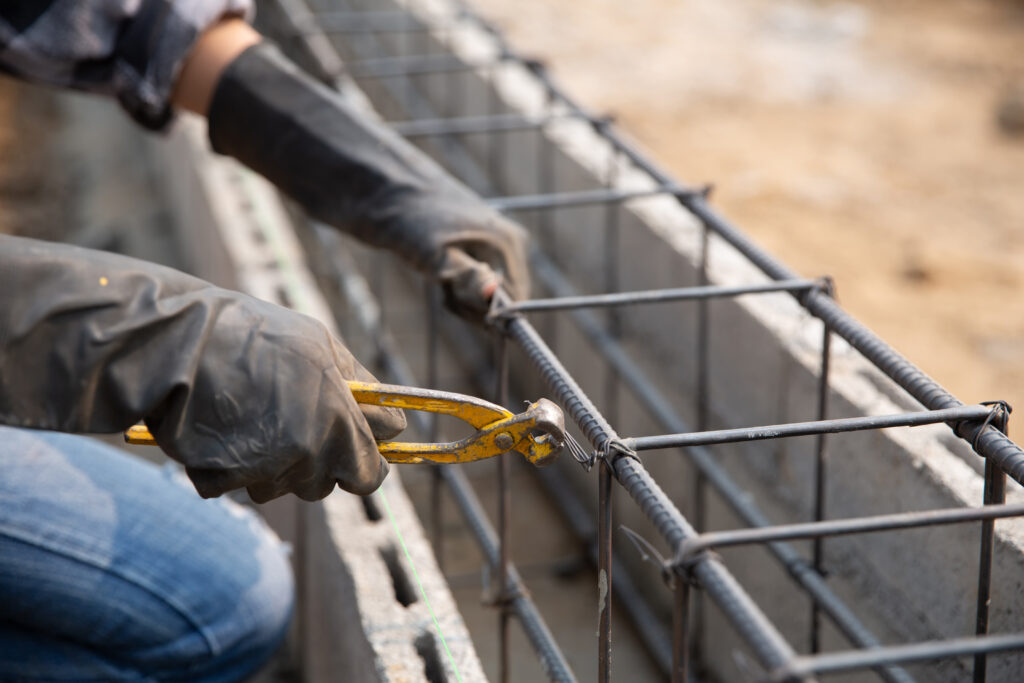
Fieldstone and early block foundations were laid dry or with lime mortar that was never meant to resist sustained water pressure. Every freeze-thaw cycle through a New England winter works at the joints that are already damp, prying them open a little further each year. Water gets in, freezes, expands, and the crack it leaves behind is wider than the one before. By the time moisture is visibly coming through the wall, or you’re seeing white mineral staining on the surface, the structure has usually been wet behind the scenes for a long time already.
Why this is an outside job, not a basement job
Paint and interior membranes stop you from seeing the water. They do not stop the wall from carrying it, or from being under constant pressure from damp Framingham clay and glacial till soil outside. The structural problem stays exactly where it was, quietly getting worse behind a fresh coat of sealant.
Exterior work removes the saturated soil, treats the wall face directly, and rebuilds a drainage path so water moves away from the foundation instead of sitting against it. On older Framingham homes, especially those near Sudbury River low points or on sloped lots, that often means correcting grading that was never right to begin with, replacing failed footing drains, and installing a proper membrane and gravel system against the exterior wall.
It costs more up front because it involves real excavation around the perimeter, not a weekend of interior patching. But it is the only approach that changes what is actually happening to the wall, rather than just hiding the symptom until the next thaw or heavy spring rain brings the water right back through.
The work, in order
Access and excavation
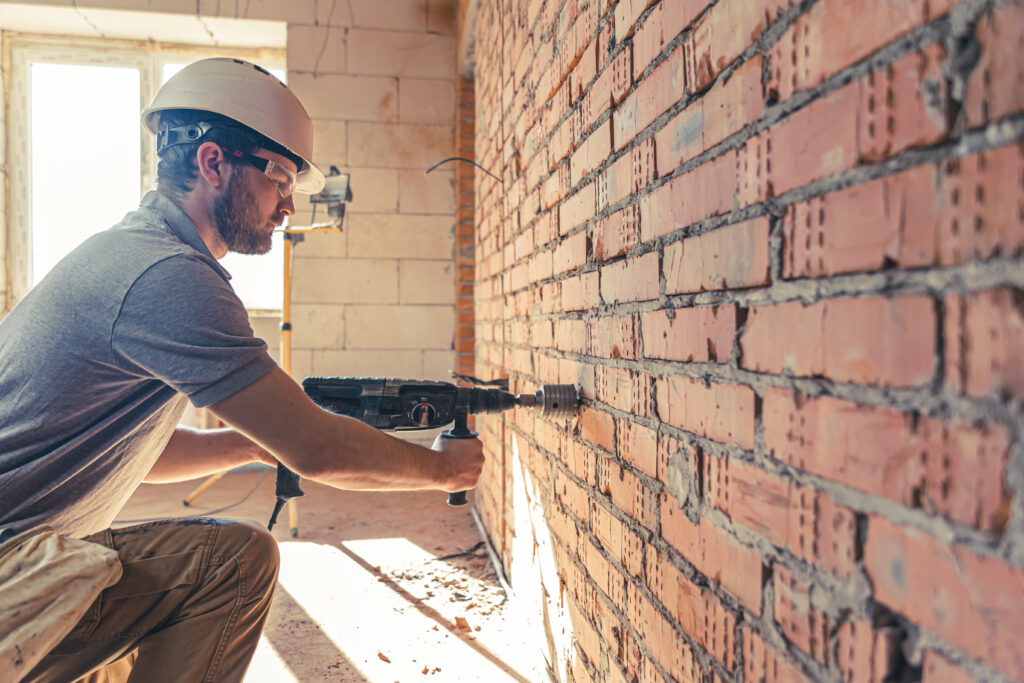
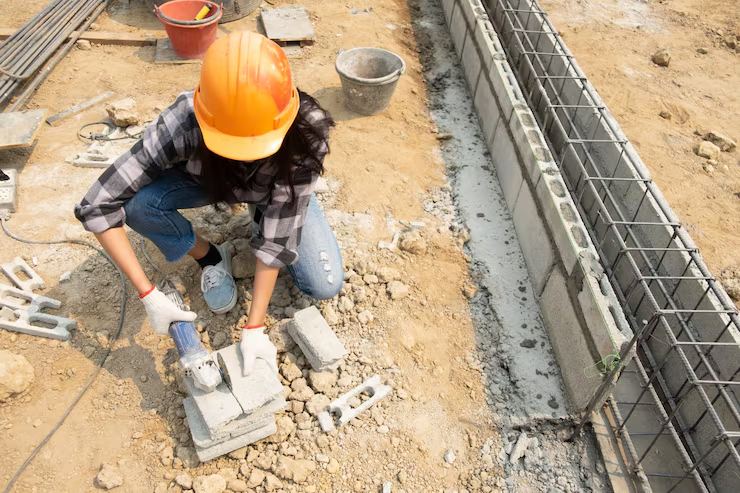
A machine needs a clear run to the affected wall.
What happens to planting and hardscape
Shrubs, fencing, or a walkway along the affected wall usually has to come out before excavation starts. We note what is there up front so nothing is a surprise once the trench is open.
Wall treatment
Once the wall face is exposed and cleaned, any failing mortar, cracked block, or loose stone common in Framingham’s older foundations is repaired directly, then properly waterproofed before exterior drainage and backfill go back in against it.
Drainage and backfill
A drainage path along the footing carries groundwater away from the wall instead of letting it pool against it, important given Framingham's clay-heavy soil.
Reinstating the ground
Once foundation work wraps up, the excavated area around your Framingham home gets carefully graded back to shed water away from the house, not toward it, with proper compaction before any walkway, planting bed, or lawn is restored on top.
Regrading and what it means at the surface
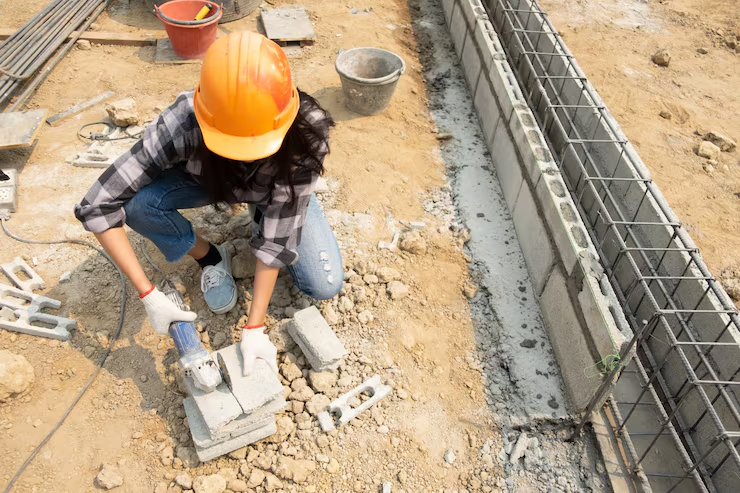
Digging along a foundation wall almost always disturbs whatever sits above it. A walkway, a planting bed, sometimes a section of driveway that runs close to the house. Once the trench is backfilled, the surrounding grade has to be rebuilt so it slopes away from the foundation rather than back toward it, which is often the detail that was missing in the first place. Framingham’s older neighborhoods, with foundations built long before current drainage standards, tend to show this problem most clearly once a wall has been opened up.

What to check before anyone comes out
Note where the water enters, whether it tracks with heavy rain or shows up independent of weather, and whether it is confined to one wall or corner. A phone photo of the damp pattern, taken right after it appears, tells us more than a description after it has dried. Check gutters and downspouts near the affected area too; a disconnected or poorly routed downspout right above a wet corner is sometimes doing most of the damage on its own.
Look also at the grading along the foundation. Many Framingham homes sit on lots where soil has settled toward the house over the years, so a quick check for low spots, mulch beds holding water, or a patio that slopes the wrong way can point straight to the cause. Note any cracks, their width, and whether they run horizontal, vertical, or stair-step through masonry, since the pattern tells us a lot before we arrive.
What to check and write down first
These are the pointers that help most before anyone visits.
- Note where and when. Which wall, which corner, and whether it follows heavy rain, snowmelt or a particular season.
- Photograph it dry and wet. Take pictures of the same spot on a dry day and again after rain.
- Look at the outside. Check whether the ground beside that wall slopes toward the house, whether a downspout empties near it, and whether anything piles water against it.
- Check for movement. Look for horizontal cracks, a wall that leans in, or stones that have shifted. Mark the ends of a crack with a pencil and date it, so changes can be seen.
- Check the stonework. Press on the mortar. If it crumbles or sands away, say so.
- Think about access. Where could a machine stand, and what is in its way? Tell us who shares the drive or boundary.
- Leave it as you found it. Do not seal or patch the wall before we see it. It hides what we need to look at.
Questions we get asked
Is this the same crew that does driveways and patios?
It's the same company, but foundation work is excavation and drainage around the structure of the house, not surface paving. We treat it as its own job with its own sequence.
Can this be fixed from inside the basement instead?
Interior coatings and drains manage water that's already inside, but they don't stop water moving through the wall or relieve the pressure building against it outside. For a wall that's actively failing, the exterior is where the cause sits.
How do you deal with tight side-yard access in Framingham's two-family neighborhoods?
Where a machine can't get a clear run to the wall, sections get dug by hand. It changes the timeline, not the approach.
Will my walkway or driveway be affected?
If it sits close enough to the affected wall to block excavation, that section usually has to come up and gets reinstated once the drainage and backfill work is finished.
What should I do before calling?
Note when the water appears, whether it tracks with rainfall, and take a photo of the damp pattern right after it shows up. Check nearby gutters and downspouts too.
Next step
Call us on (413) 337-3772. Tell us which wall, what you have seen, and how the lot slopes around it. We have worked across Middlesex County since 1988, and we will tell you plainly what is likely going on and whether outside work is the right answer.