
Foundation Work in Wayland, MA
Water coming through a basement wall after heavy rain. A damp corner that never quite dries out, even in July. A section of fieldstone wall that has started to bow or shed mortar. If one of these describes what is happening at your Wayland house, you are not dealing with a cosmetic problem. You are dealing with a foundation that is letting water in, or a wall that is starting to lose its structure, and both get worse while you wait.
Wayland’s older housing stock sits on a lot of fieldstone and rubble foundations, often with no membrane behind the stone and no working perimeter drain around it. These walls were built to hold the house up, not to keep water out. For decades that was fine, because the ground around them drained well enough and nobody minded a damp cellar used for storage. Finished basements, sump pumps running overtime, and wetter springs have changed what homeowners expect from the same wall.
Why the water is moving through, not under
With no membrane, water in the soil migrates straight through the stone and mortar joints under hydrostatic pressure. It is not seeping under the footing; it is passing through the wall itself. That is why interior patching rarely holds for long and why the fix has to start outside, where the water is entering. Common signs worth acting on before they worsen:
- White, chalky efflorescence staining the stone or mortar
- Mortar joints that crumble or have visibly washed out
- A musty smell that persists even when the basement looks dry
- Cracks that widen or a wall that bows inward over a season or two
This is a different trade from driveway paving, and it is worth saying plainly: we are not here to talk surfaces. We are here to talk about what is happening below grade, around the base of the house, and what it takes to stop it at the source rather than mop it up from inside. That usually means excavating down to the footing on the affected side, parging and waterproofing the stone, installing a proper drainage membrane, and tying in a perimeter drain that actually carries water away instead of letting it pool against the wall.


What Our Clients Say
Why This Has to Be an Outside Job
Interior sealants and drainage channels manage water once it has already come through. They collect it and move it to a sump, which can work as a stopgap, but the wall itself keeps absorbing moisture and the source is never addressed. Over time that moisture cycle is part of what pushes mortar joints to fail and stone to shift, which is exactly the pattern we see in a lot of Wayland’s older foundation walls.
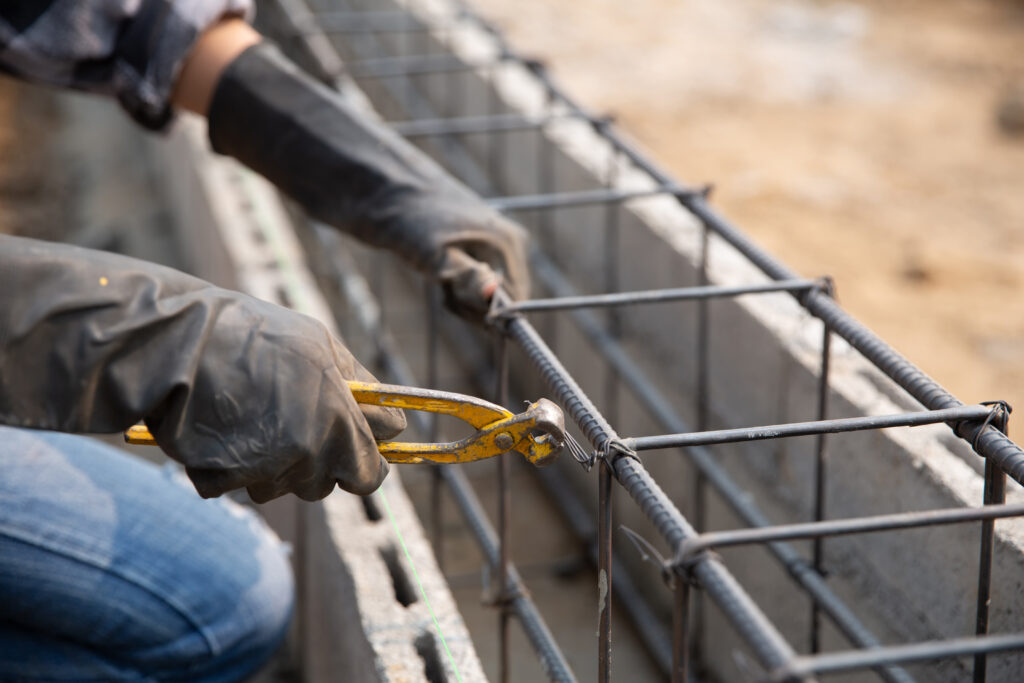
Exterior work is more disruptive and costs more, and that needs to be said honestly upfront. It means excavating along the foundation, treating the wall from outside, and rebuilding drainage so water is carried away before it ever reaches the stone. It is the only approach that addresses the cause rather than the symptom, which matters if the wall itself is beginning to fail and not just letting in damp.
- Excavation exposes the wall for direct inspection and treatment
- New exterior drainage redirects water before it reaches the foundation
- Addresses structural causes, not just surface symptoms
How the Work Proceeds
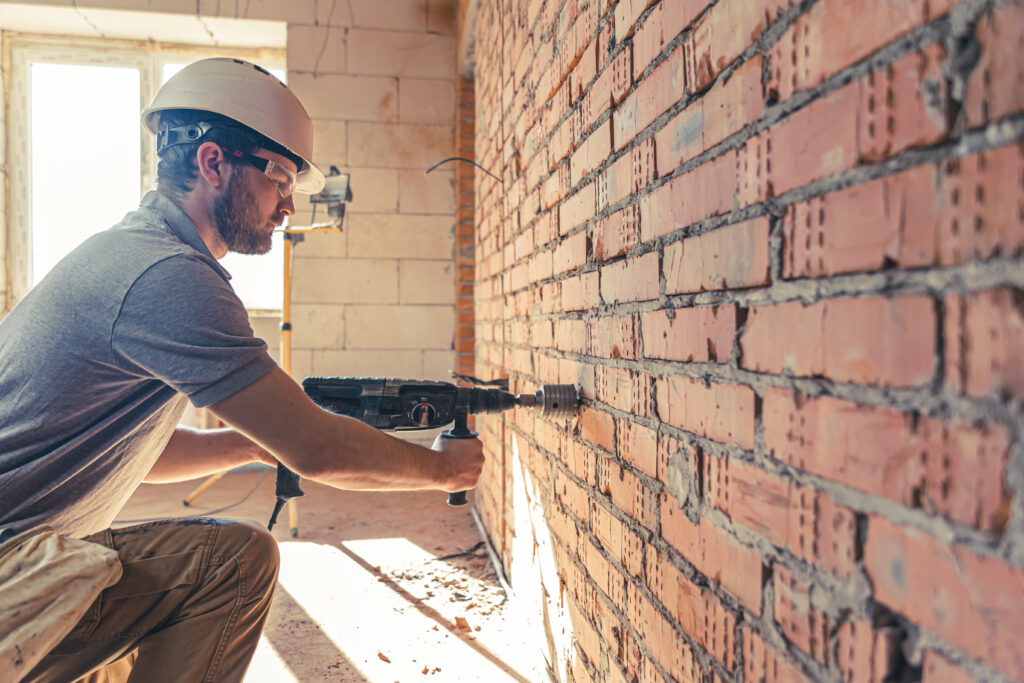
Excavation happens in sections along the problem area, not the whole foundation at once, which limits how much of the Wayland yard is disturbed and keeps the wall supported as work moves along it. Typical sections run a manageable number of feet at a time, so landscaping, walkways, and mature trees close to the house are left largely undisturbed. Once a section is open, the wall face is cleaned back to sound stone, block, or masonry so it can be properly assessed and treated before anything is closed back up.
Drainage is rebuilt at the footing level, with the goal of intercepting water before it reaches the wall and carrying it away to daylight or a suitable discharge point, rather than relying on the wall to hold it back. Given Wayland’s mix of clay-heavy soil and seasonal groundwater, this footing drainage is often the detail that makes the real difference long after backfill.
- Section-by-section excavation to limit yard disruption
- Wall cleaned and assessed before repair
- New footing drainage directing water away from the foundation
The work, in order
What Happens to Planting and Hardscape
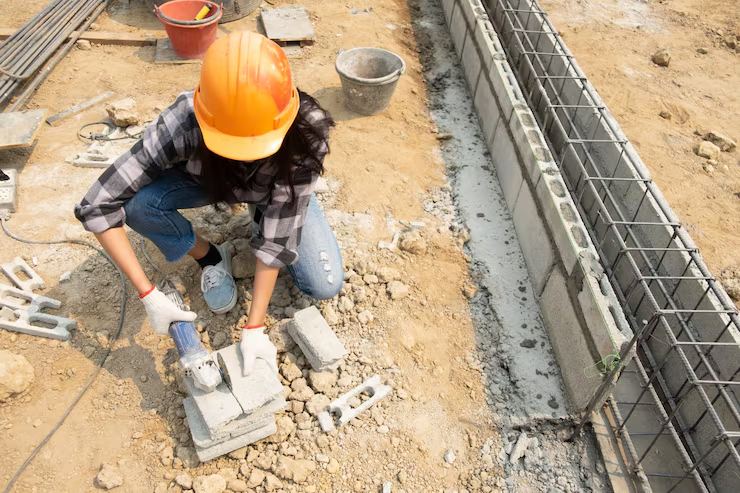
Shrubs, beds, and anything hardscaped along the foundation line usually has to come out before excavation starts. On a mature Wayland lot that often means established plantings close to the house, placed there over years, not something installed last season.
Treating the Wall Itself
Once exposed, the wall is addressed directly, repointing failed mortar or rebuilding sections, then applying a waterproof coating to the exterior face so the stone is no longer the first line of defense against groundwater.
Backfill and Compaction
Backfill goes back in with material and layering suited to draining away from the wall instead of holding water against it, compacted in stages so the ground does not settle unevenly over the next season or two.
Reinstating the Ground
Final grade is pitched away from the foundation so surface water sheds outward instead of pooling, and any lawn or beds disturbed during the dig are brought back as close as possible to their original lines.
Access Often Decides the Plan
On a long, sloped drive through heavy tree cover, getting equipment to the affected side of the house can be the hardest part. Width, overhead branches, and soft shoulders along the route often shape the approach before any digging starts.
Regrading and What It Means for the Drive
Fixing drainage at the foundation almost always means changing the grade immediately around the house, and on a lot where that grade runs into a driveway or walkway, the paved surface near the house may need to be lifted and reset once the drainage work below it is done. That is not an afterthought; it is part of why foundation work on an older Wayland property can touch more of the lot than the wall itself. Where a drive or walk sits close to a foundation that is being excavated, we coordinate the sequence so the surface work happens after the drainage is settled, not before, since redoing pavement ahead of a regrade is wasted work and wasted material.

Before You Call, Check and Note These
Walk the foundation after the next rain and note where water is actually entering: a specific wall, a corner, a crack, or a general dampness across the whole lower level. Note whether it tracks with heavy rain, snowmelt, or both. Photograph any cracking, bowing, or stains, and mark the date on them so changes over time are easy to see. If you know roughly where downspouts and any existing drainage pipe run, that helps too. None of this needs special tools, just a flashlight and a few minutes after the next storm, and it gives us a much clearer starting point than a description over the phone.
If your Wayland house has a wet basement, a failing section of foundation wall, or ground that stays soft and damp long after rain has stopped elsewhere on the property, call Driveway Specialists at (413) 337-3772 to talk through what you are seeing and what the access and excavation would realistically involve.
What to check and write down first
These are the pointers that help most before anyone visits.
- Note where and when. Which wall, which corner, and whether it follows heavy rain, snowmelt or a particular season.
- Photograph it dry and wet. Take pictures of the same spot on a dry day and again after rain.
- Look at the outside. Check whether the ground beside that wall slopes toward the house, whether a downspout empties near it, and whether anything piles water against it.
- Check for movement. Look for horizontal cracks, a wall that leans in, or stones that have shifted. Mark the ends of a crack with a pencil and date it, so changes can be seen.
- Check the stonework. Press on the mortar. If it crumbles or sands away, say so.
- Think about access. Where could a machine stand, and what is in its way? Tell us who shares the drive or boundary.
- Leave it as you found it. Do not seal or patch the wall before we see it. It hides what we need to look at.
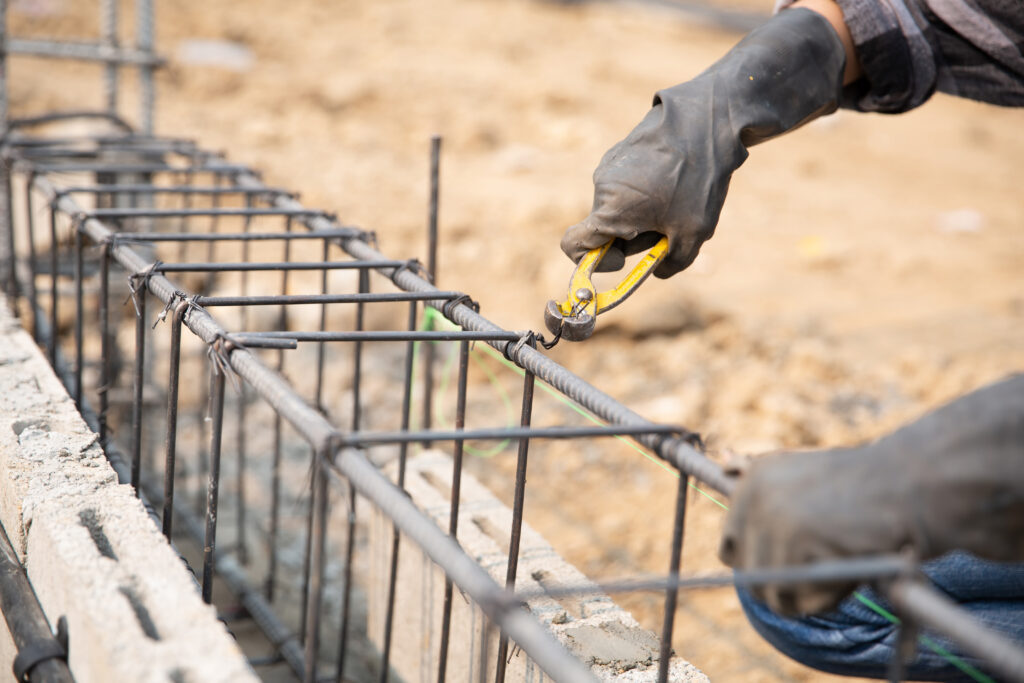
Questions we get asked
Is this the same service as driveway drainage work?
No. Foundation work addresses water entering through or around the foundation wall itself. Driveway drainage deals with surface runoff on a paved area. They sometimes intersect on a property, but they are separate problems with separate fixes.
Can this be done without excavating the whole foundation?
Usually yes. Work is typically done in sections along the area that is actually failing, rather than digging the entire perimeter, which limits disruption to the yard and keeps the rest of the wall supported.
Will my landscaping be destroyed?
Plantings directly along the excavation line will need to come out first. We can talk through which beds or shrubs are in the path before work starts so there are no surprises.
Does wetland or conservation land near my house affect this kind of work?
It can. Many Wayland lots have conservation buffers or wetland areas close to the house, and that proximity affects how excavation access and equipment routing are planned.
What if my driveway runs right up against the foundation being worked on?
We sequence the work so drainage and regrading are finished before any paved surface near the house is reset, since repaving ahead of a regrade would just need to be redone.
Next step
Call us on (413) 337-3772. Tell us which wall, what you have seen, and how the lot slopes around it. We have worked across Middlesex County since 1988, and we will tell you plainly what is likely going on and whether outside work is the right answer.