
Foundation Work in Weston, MA
Water coming through a basement wall after a heavy rain. A damp corner that never quite dries out, even in July. A section of fieldstone that bulges slightly more than it did last year. These are not cosmetic problems, and they do not have a paint-and-patch fix. They are foundation problems, and they start outside the house, not inside it.
A lot of the older houses on wooded lots around Weston were built on fieldstone or rubble foundations with no membrane and no working perimeter drain. That construction was never meant to stop water on its own. It relied on the ground around it sloping away and staying reasonably dry. Decades of settling, landscaping changes, and tree growth move that ground, and the water starts finding its way back toward the house instead of away from it.
Why the water gets in
Water does not usually come up through a slab in these older foundations. It moves through the wall itself, soaking through mortar joints and stone the same way it would move through any porous material sitting in saturated soil. Hydrostatic pressure against the outside face of the wall pushes it through. The wetter and more saturated the soil against that wall stays, the more consistent the problem gets, which is why it often shows up worst in spring thaw or after the heaviest storms of the year.
Interior sealants and interior drains can manage where the water ends up once it is inside, but they do nothing to the pressure building against the wall from outside. That pressure keeps working on the mortar and the stone year after year, widening joints, loosening stones, and slowly pushing the wall out of plane. The only way to address the actual cause is to get to the outside of the wall, relieve that pressure, and give the water somewhere else to go before it reaches the foundation at all.
What proper outside work involves
Done right, that means excavating down to the footing along the affected run of wall, cleaning and repointing the stone or parging the exterior face, installing a proper waterproof membrane, and laying a new perimeter drain with washed stone and a clear outlet, not a pipe that dead-ends into saturated soil. Grading at the surface gets corrected at the same time, so water sheds away from the house instead of settling right back against the wall that was just fixed.


What Our Clients Say
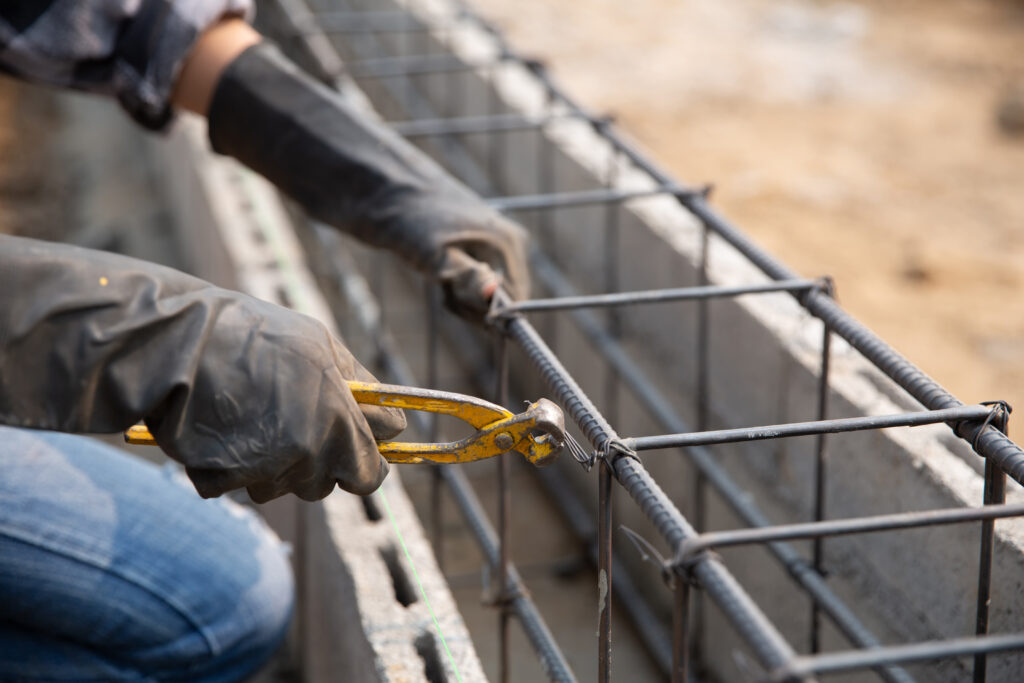
An Outside Job, Not an Inside Fix
Treating a wet basement from the inside treats the symptom. The water that was pushing against the wall is still pushing against it; it has just been redirected once it gets through. Addressing the cause means excavating along the outside of the foundation, exposing the wall, treating it, and rebuilding the drainage that should have been carrying water away from it all along.
In Weston, that usually means dealing with heavy clay soils that hold water against the foundation far longer than sandier ground would, and older properties where the original drainage has long since clogged, settled, or simply failed. An outside job addresses both: the wall itself and the system around it meant to protect it.
This is slower and more disruptive than an interior fix, and it costs more, because it involves machinery, excavation, and restoring the ground afterward. The work typically includes:
- Excavating down to the footing to expose the full wall
- Repairing cracks and applying a proper waterproof membrane
- Installing or replacing exterior drainage tile and gravel backfill
- Regrading and restoring the surface once work is complete
What Happens to the Ground Around the House
Excavating along a foundation means digging a trench down to the footing on the affected side. Anything planted close to that wall, mature shrubs, foundation beds, sometimes smaller trees, has to come out or be worked around. On older Weston properties with established plantings close to the house, this is often the part homeowners find hardest to plan for, because it changes the look of that side of the house for a season or more.
Patios, walkways or steps built against the foundation after the house was constructed usually have to be removed too, since they sit directly over the area that needs to be exposed. Whether that hardscape gets reinstated afterward is a separate decision from the foundation work itself.
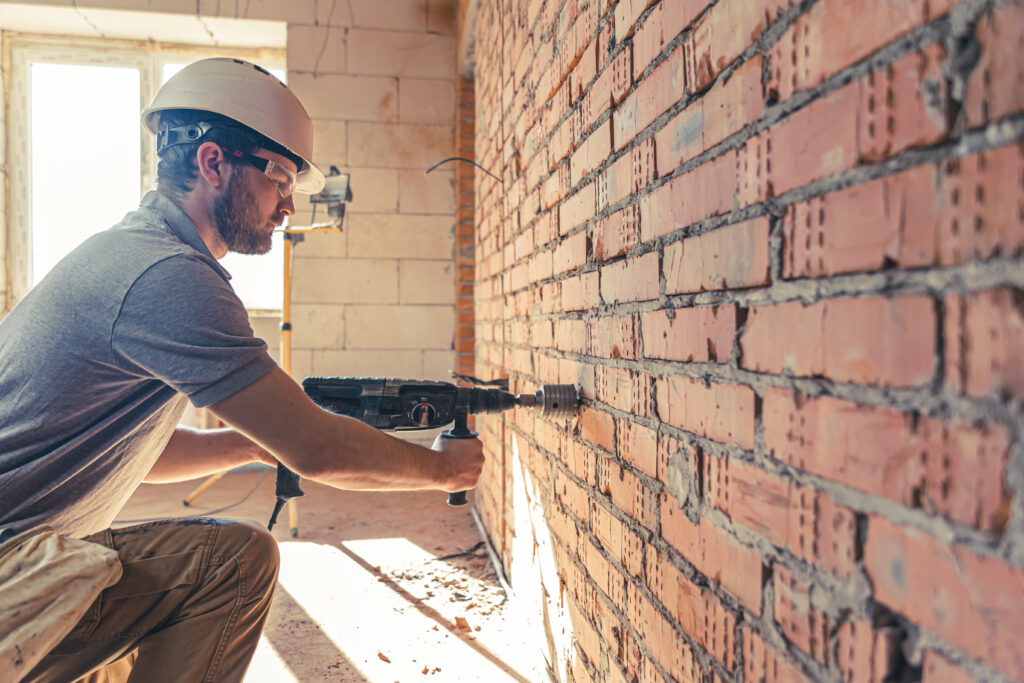
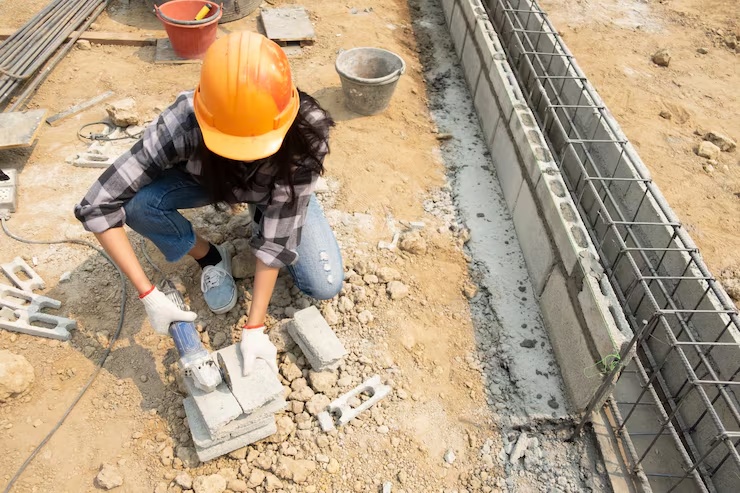
The work, in order
Treating the Wall and Rebuilding Drainage
With the wall exposed, crews repair deteriorated mortar and stone, apply an exterior membrane, and install a footing drain line to carry water away from the house.
Backfill and Compaction
Backfilling happens in compacted layers using free-draining material, never dumped all at once. Rushing this step or using the wrong fill undoes the drainage work beneath it, so Weston crews build it back up carefully, layer by layer.
Regrading the Surface
With the wall and drain complete, we rebuild the surface grade to slope water away from the foundation, correcting whatever settling or landscaping shifts caused pooling in Weston. It’s often the step that truly prevents future problems.
Access on Large Wooded Lots
A mini excavator and a dump truck need a real path to the affected wall. On a long private drive through trees, that path may not exist yet, and opening one is part of planning the job, not an afterthought.
When the Drive or Walk Has to Come Up
If a driveway or walkway sits over the excavation path or against the treated wall, it has to be removed before the dig starts. Replacing it afterward is a separate, later decision, once the ground has settled.
What to Document Before Anyone Comes Out
Before scheduling a look at the problem, it helps to know roughly when the water or damp first appeared, whether it tracks with specific storms or the spring thaw, and where exactly it shows up on the inside, which corner, which wall, how high. Photos of the affected area, inside and outside, taken over a few different weather conditions, tell us more than a single dry-day inspection ever can. If there is a visible bulge, crack, or gap in the foundation wall itself, note roughly where it sits relative to grade outside, since that often points directly to where the excavation needs to focus. None of this requires special knowledge, just attention over a week or two before the first visit, and it shortens the time it takes to figure out what is actually happening at that wall.
Older stone and rubble foundations on Weston’s larger lots behave differently from poured concrete, and the fix has to account for the soil, the slope, and the trees around that specific house, not a generic approach.

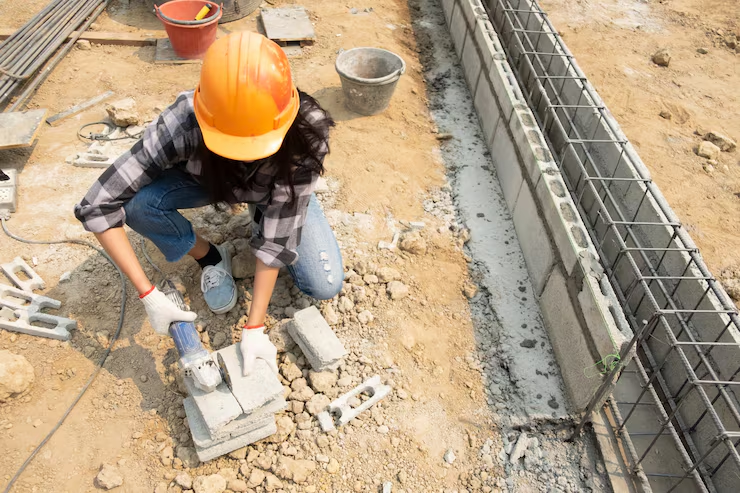
Next Step
If you’re seeing water, damp, or movement at a foundation wall in Weston, the sooner the outside of that wall gets looked at, the less work it usually takes to fix. Foundation problems rarely stay small: a hairline crack or a damp patch in spring can turn into a bowing wall or a wet basement by the following winter if the grading and drainage around it aren’t corrected. Call Driveway Specialists at (413) 337-3772 to talk through what you’re seeing and whether an on-site look makes sense. We’ve worked on foundations and grading across Middlesex County properties, including the long, wooded, graded lots that make up much of Weston, since 1988, and we know how tree roots, slope, and old fieldstone foundations common to the area tend to interact. When we visit, we’ll typically check things like:
- Grading and slope directing water toward or away from the wall
- Gutter and downspout discharge points near the foundation
- Visible cracking, bowing, or efflorescence on exterior walls
- Soil type and drainage conditions specific to your lot
What to check and write down first
These are the pointers that help most before anyone visits.
- Note where and when. Which wall, which corner, and whether it follows heavy rain, snowmelt or a particular season.
- Photograph it dry and wet. Take pictures of the same spot on a dry day and again after rain.
- Look at the outside. Check whether the ground beside that wall slopes toward the house, whether a downspout empties near it, and whether anything piles water against it.
- Check for movement. Look for horizontal cracks, a wall that leans in, or stones that have shifted. Mark the ends of a crack with a pencil and date it, so changes can be seen.
- Check the stonework. Press on the mortar. If it crumbles or sands away, say so.
- Think about access. Where could a machine stand, and what is in its way? Tell us who shares the drive or boundary.
- Leave it as you found it. Do not seal or patch the wall before we see it. It hides what we need to look at.
Questions we get asked
Is this the same crew that does driveways?
No. Foundation excavation, wall treatment and drainage are a different scope of work from paving, even though both involve grading and machinery. We treat them as separate jobs with separate planning.
Can this be done without digging up the yard?
Not if the goal is fixing the cause rather than managing the symptom. Interior sealants avoid excavation but only redirect water once it has already passed through the wall. Treating the outside of the wall requires exposing it.
Will my plantings or patio near the foundation survive?
Anything directly over the excavation path, including beds, shrubs, and hardscape against the wall, typically has to be removed. Whether it gets reinstated afterward is a separate decision made once the drainage work is done.
How do you get equipment to a foundation wall on a wooded lot?
We look at the lot's access points, grade, and tree spacing before scheduling. On some Weston properties this means opening a temporary path; on others the existing drive is enough.
Does regrading alone fix a wet basement?
Regrading helps surface water move away from the house, but if the wall itself is already saturated or damaged, grading alone won't address water already moving through it. The two usually need to happen together.
Next step
Call us on (413) 337-3772. Tell us which wall, what you have seen, and how the lot slopes around it. We have worked across Middlesex County since 1988, and we will tell you plainly what is likely going on and whether outside work is the right answer.