
Foundation Work in Holliston, MA
Water coming through a basement wall after heavy rain. A damp patch that never quite dries out, even in a dry summer. A corner of the foundation that looks like it’s bowing inward, or mortar that’s crumbling to sand when you touch it. These aren’t cosmetic problems. They’re signs that water is moving through the foundation wall itself, and in a lot of Holliston’s older houses, that’s exactly what’s happening.
Many homes here, especially on the older lots off the rolling terrain near the center of town, were built on fieldstone or rubble foundations with no membrane and no perimeter drain system behind the wall. The wall was never meant to be waterproof. It was meant to hold the house up. Water finds every gap in that stonework, and once the mortar starts to go, the wall stops doing either job well. Add in the clay-heavy soil found in parts of Holliston, which holds water against the foundation far longer than sandier ground would, and the pressure on an old wall only builds over time.
Why this isn’t a paving problem
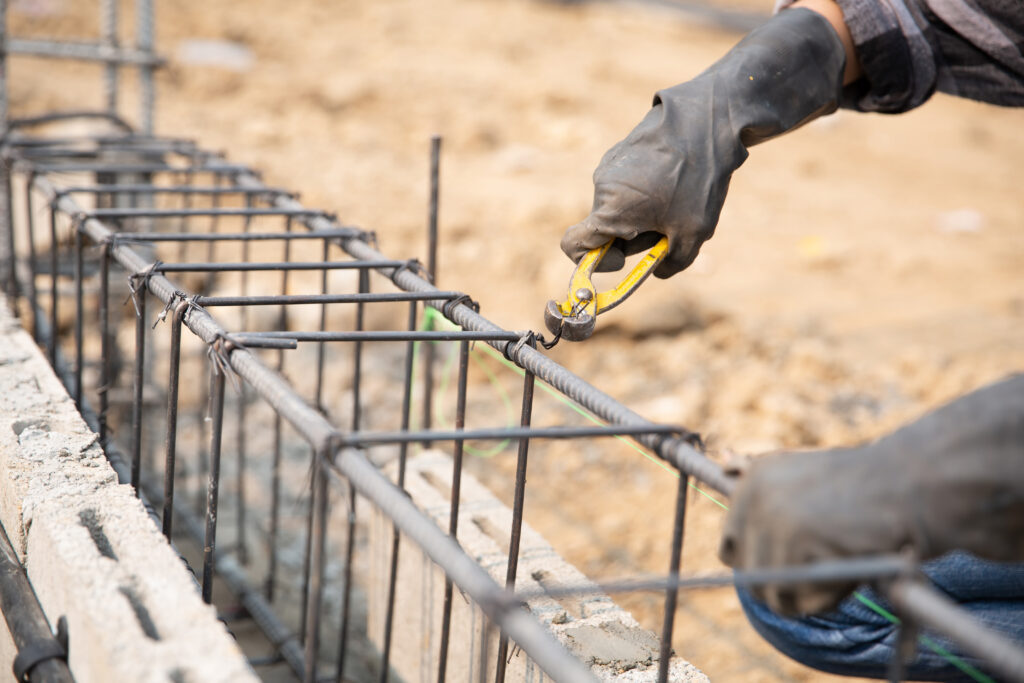
This is foundation and drainage work, not driveway or walkway work. It involves excavating around the house, exposing the wall from the outside, treating it, and rebuilding the drainage path so water moves away from the foundation instead of through it. It’s a different trade from asphalt or paver work, and it needs to be approached that way from the start, with its own sequence of steps:
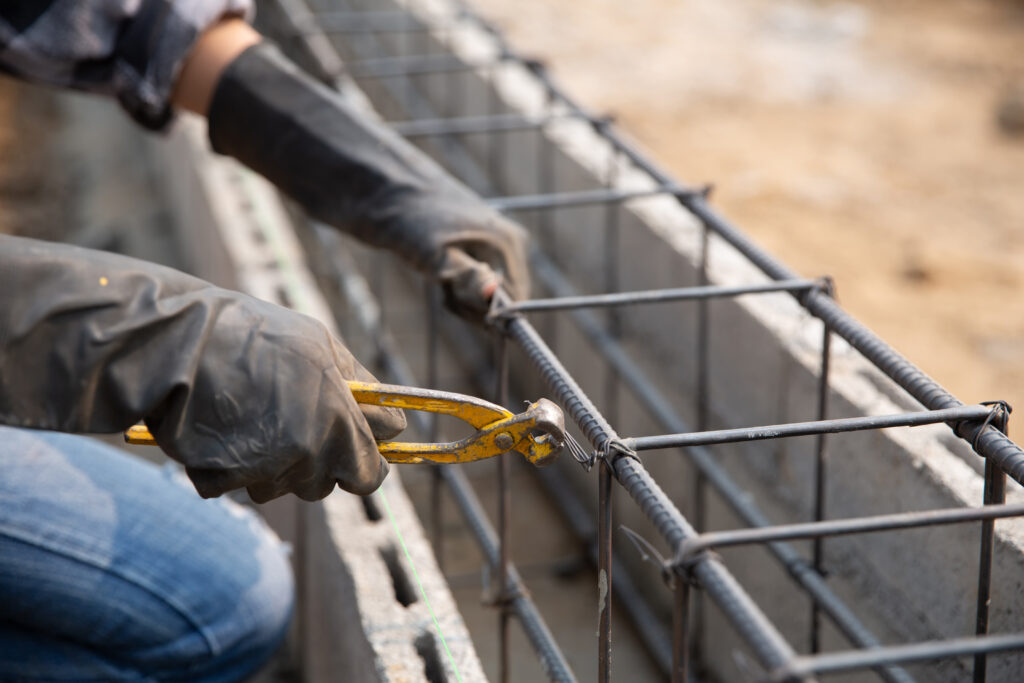
- Excavating down to the footing on the affected side to expose the full wall
- Assessing the stone, mortar, or concrete for cracks, bowing, or deterioration
- Applying a waterproofing membrane or coating suited to the wall material
- Installing or restoring a perimeter drain to carry water away from the footing
- Backfilling with material that won’t just channel water straight back to the wall
On the kind of wooded, uneven lots common around Holliston, much of this work comes down to one practical question before any wall treatment happens: can a machine actually get to the affected side of the house? A lot with mature trees close to the foundation, a drive that climbs from the road, or limited clearance between the house and the property line changes what equipment can be used and how the excavation has to be staged. Some sides of a house may only be reachable by hand digging, which changes both the approach and the timeline.


What Our Clients Say
What's Actually Happening Behind the Wall
A rubble or fieldstone foundation is a stack of stone and mortar, not a sealed barrier. There’s no waterproof membrane behind it, so when the soil outside gets saturated, water pushes through the joints and the porous mortar itself. It doesn’t travel under the footing the way people often assume. It comes straight through the wall.
That’s why a damp basement can appear in one specific spot and nowhere else. It usually lines up with where water is pooling or draining toward the house outside, not with some uniform weakness in the wall. Grading, gutter discharge, and the heavier clay soils common around older Holliston lots all play into where the problem shows up first, and why neighboring homes on the same street can have very different foundation histories.
A bowing wall is a different problem from a damp wall, and a crumbling mortar joint is different again. Each points to a different stage of the same underlying issue: water pressure against stone that was never built to resist it long-term.
Why the Fix Is Outside, Not Inside
Interior sealants and coatings paint over the symptom. They can make a wall look dry for a while, but they don’t stop water from reaching the stone, and trapped moisture behind a sealed interior surface can make the mortar break down faster, not slower. We see this often in Holliston’s older foundations, where original fieldstone or early block construction was never built with modern drainage in mind.
Treating the cause means working from the outside: excavating down to the footing, addressing the wall surface, and rebuilding drainage so water is carried away before it ever reaches the stone. That often includes a new footing drain, properly graded backfill, and a damp-proofing or waterproofing membrane applied directly to the exterior wall. It’s more disruptive and more involved than an interior fix, and it’s honest work to say that upfront — expect excavation around the home’s perimeter and some disturbance to landscaping near the foundation.
The work, in order
Access and Excavation
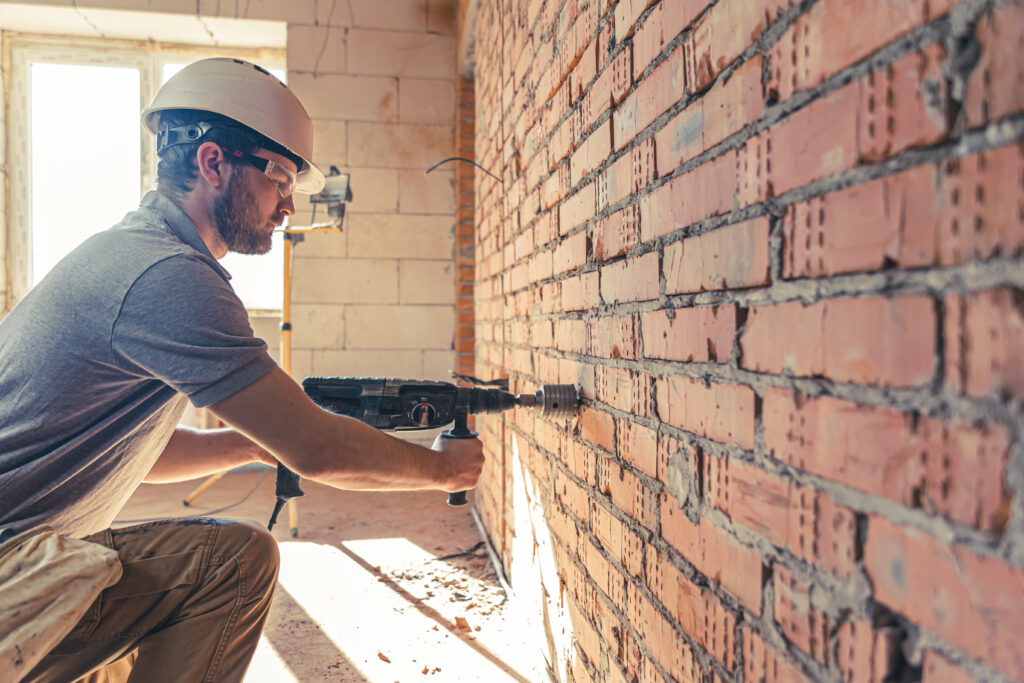
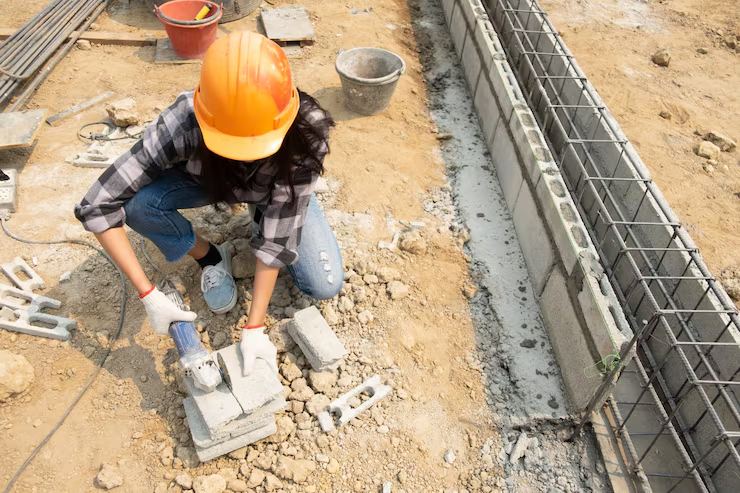
Before wall work begins, the ground around that section of foundation must be opened up.
Planting and Hardscape
Shrubs, garden beds, or a walkway near the excavation line often need removal or protection before digging starts. On older Holliston properties, mature planting close to the foundation is common—plan for it early, not mid-dig.
Wall Treatment
With the wall exposed, the surface gets addressed directly. What that involves depends on the wall's condition and construction, which is something Holliston crews assess once it's actually uncovered, not before.
Drainage and Backfill
At the base of the wall, we rebuild a drainage path that carries water away from the foundation instead of letting it sit against it. Backfill goes in carefully, supporting drainage rather than trapping moisture back against the stone.
Reinstating the Ground
Once the wall and drainage work is done, the excavated area around your Holliston property gets backfilled in compacted layers, graded, and brought back to a stable, usable surface.
Regrading and What Happens at the Surface
Fixing the wall doesn’t finish the job if the ground around it still slopes the wrong way. On a lot where the drive or a path climbs from the road, as a lot of Holliston properties do, surface grading plays a direct role in whether water heads toward the foundation or away from it. Holliston’s mix of hillside lots and older, settled driveways means the original grade has often shifted over the years, quietly redirecting runoff back toward the house instead of away from it.

What to Check Before You Call
Before anyone comes out to look at the foundation, it helps to document what you’re seeing. Note which wall or corner the water or damp appears on, and whether it tracks with heavy rain, snowmelt, or a particular time of year. Take photos of any cracking, bowing, or crumbling mortar, and note whether it’s getting worse or has stayed the same.
Check outside too: where downspouts discharge, whether the ground slopes toward or away from that section of wall, and whether nearby trees or shrubs sit close to the foundation. That information narrows down what’s driving the problem before any excavation starts, and saves time once we’re on site assessing the wall and drainage conditions.
What to check and write down first
These are the pointers that help most before anyone visits.
- Note where and when. Which wall, which corner, and whether it follows heavy rain, snowmelt or a particular season.
- Photograph it dry and wet. Take pictures of the same spot on a dry day and again after rain.
- Look at the outside. Check whether the ground beside that wall slopes toward the house, whether a downspout empties near it, and whether anything piles water against it.
- Check for movement. Look for horizontal cracks, a wall that leans in, or stones that have shifted. Mark the ends of a crack with a pencil and date it, so changes can be seen.
- Check the stonework. Press on the mortar. If it crumbles or sands away, say so.
- Think about access. Where could a machine stand, and what is in its way? Tell us who shares the drive or boundary.
- Leave it as you found it. Do not seal or patch the wall before we see it. It hides what we need to look at.
Questions we get asked
Is foundation and drainage work the same as waterproofing a basement from the inside?
No. Interior coatings and sealants treat the symptom inside the basement. Foundation work as described here is exterior excavation, wall treatment, and drainage rebuilt from outside the house, which addresses where the water is actually getting in rather than covering it up on the inside.
Why do older Holliston homes have this problem more often?
Many older houses in town were built on fieldstone or rubble foundations without a waterproof membrane or perimeter drain. Those walls were built to hold the structure up, not to resist water, so moisture moves through the stone and mortar over time rather than staying outside the wall.
Will my landscaping or driveway be affected?
Likely, at least near the excavation area. Planting, walkways, or a section of driveway close to the affected wall may need to be removed before digging and reinstated afterward. We account for this when planning access on your specific lot.
How do you deal with a sloped or wooded lot like many in Holliston?
Access is assessed before work starts. On a lot with mature trees, a climbing drive, or tight clearance to the property line, equipment access and staging have to be planned around the terrain rather than assumed.
Does fixing the wall alone solve the problem?
Not always. If the ground around the foundation still slopes toward the house, water will keep finding its way back. Wall treatment and surface regrading usually need to work together for the fix to hold.
Next step
Call us on (413) 337-3772. Tell us which wall, what you have seen, and how the lot slopes around it. We have worked across Middlesex County since 1988, and we will tell you plainly what is likely going on and whether outside work is the right answer.