
Foundation Work in Carlisle, MA
Water coming through a basement wall after a heavy rain. A damp corner that never quite dries out, even in July. A section of fieldstone that bulges slightly or sheds mortar when you touch it. These are the reasons people in Carlisle end up looking for foundation work rather than a paving job, and it is worth saying plainly: this is a different trade. Paving sits on top of the ground. Foundation work goes down beside the house and deals with what the ground is doing to the structure itself.
Most of the older houses on Carlisle’s wooded lots were built on fieldstone or rubble foundations, sometimes with a parged coat over the stone and nothing else. There is no membrane, and there is rarely a working perimeter drain. Water does not go under these walls the way it does with a modern poured foundation with footing drains. It moves through them, finding the path between stones and through old mortar, pushed by hydrostatic pressure every time the soil around the house saturates. Add in the clay-heavy pockets common to this part of Middlesex County, and that pressure can sit against a wall for days after a storm rather than draining away quickly.
Sealing the inside face of the wall, or painting on a waterproof coating, stops the water from showing but does nothing to the pressure building against the other side. The wall keeps absorbing moisture, the mortar keeps breaking down, and eventually the coating fails too. Treating the cause means going outside: excavating down to the footing, addressing the wall itself with proper waterproofing membrane, parging repairs, or wall ties where stone has shifted, and giving the water somewhere to go other than through your basement by way of new footing drains tied into daylight or a sump system.
That is also why it costs more and takes longer than people expect. You are not patching a crack, you are opening up the ground around a structural wall, which means machinery, disruption to whatever is planted or paved against that side of the house, and a sequence of work that has to happen in the right order before anything gets backfilled. On a property with mature trees close to the foundation, which describes a lot of lots here, root systems add another layer to plan around before the excavator starts, since cutting through a major root can destabilize both the tree and the soil holding the wall in place.
Before any of that starts, it is worth having someone look at the whole picture rather than just the wet spot. A few things that typically get checked:
- Grading and downspout discharge around the affected corner, since surface water is often doing as much damage as groundwater
- The condition of mortar joints across the whole wall, not just where the leak shows
- Whether the foundation has settled or shifted, which changes the repair from waterproofing to structural


What Our Clients Say
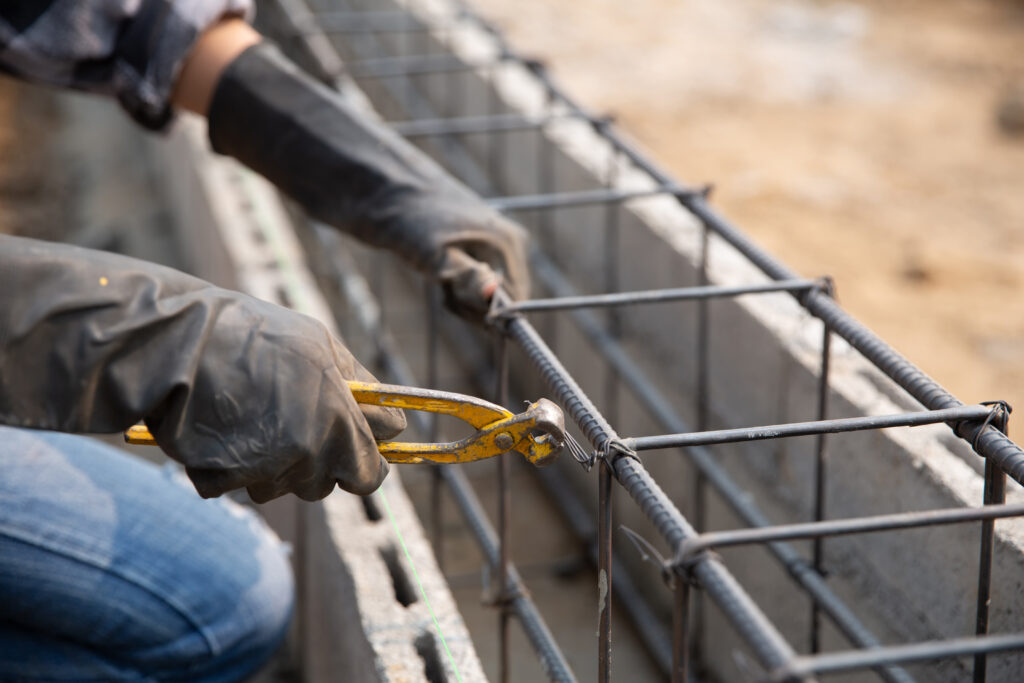
The work, in sequence
Foundation excavation follows a fairly fixed order, and skipping a step is usually what causes the same problem to come back in a few years.
First is access and excavation: getting equipment to the affected wall and digging down to expose the footing. Any plantings, walkways, or pavement hard against that wall have to come out first, and on a long wooded Carlisle drive that often means moving a machine a good distance from the road, sometimes along gravel that was never built for repeated heavy traffic.
Next comes the wall treatment itself, patching or coating as the foundation type requires, then a drainage layer and perforated pipe set at the footing to intercept water before it reaches the wall. After that, backfill goes in with material chosen specifically so it will not simply hold water against the stone again the way the original soil may have.
Why access decides the approach in Carlisle
Carlisle's two-acre zoning means long private drives through trees before you reach most houses, and many lots back onto conservation land or wetland buffers that restrict where heavy equipment can travel. An excavator and a spoil truck need a real path in, wide and firm enough to bear their weight without tearing up the drive or the trees lining it, and that path has to be planned before the first shovel of soil moves. Ledge sitting close to the surface is common across Carlisle's hillier parcels, and it can turn a straightforward dig into one that needs breaking rock, which changes both the timeline and the plan for where equipment can actually reach the wall. Conservation commission review often comes into play too, adding a step most town lots skip entirely. All of this means a foundation quote in Carlisle has to account for access and site conditions specific to the lot, not a generic number.
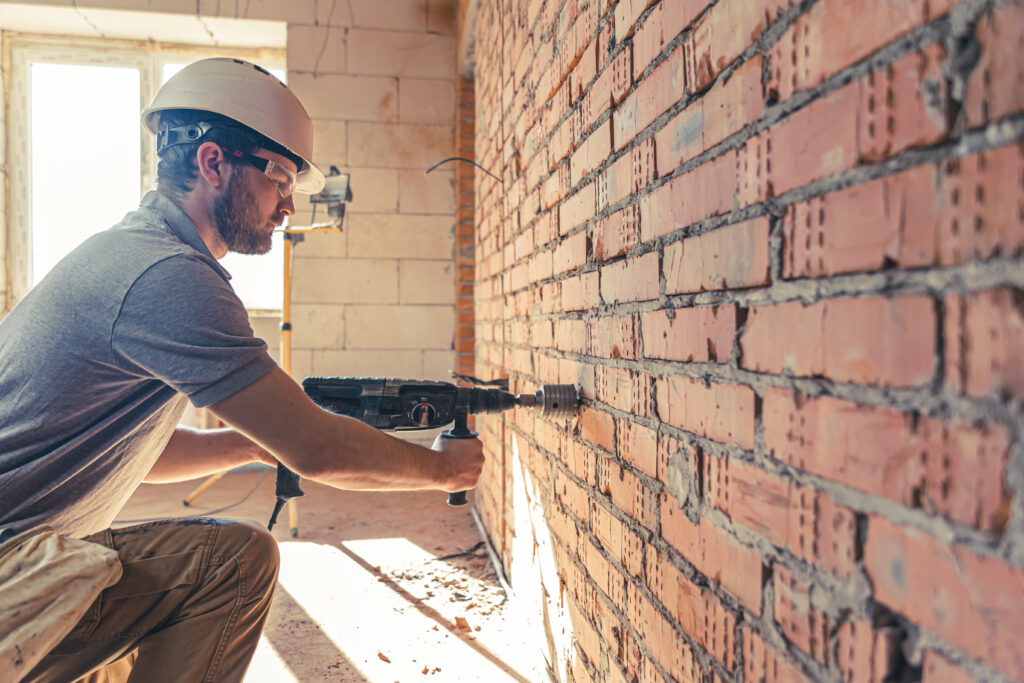
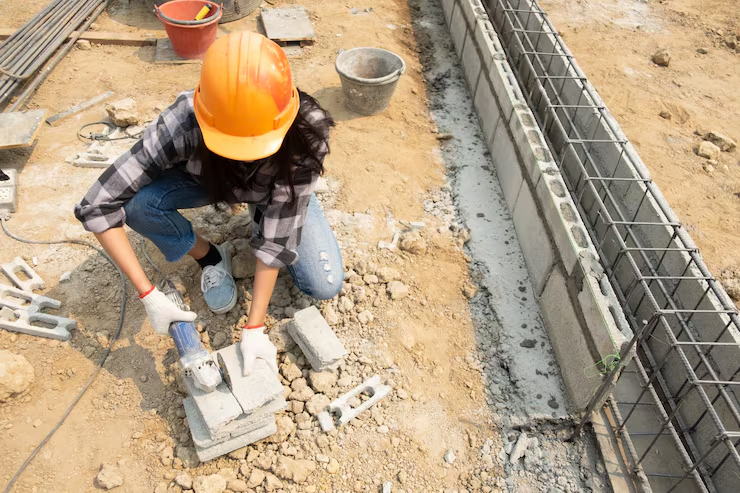
The work, in order
Old stone, old mortar
Fieldstone and rubble walls were never built to shed water on their own. There is no membrane behind the stone, so once mortar starts to break down, water finds a way through rather than around.
What the trees change
Roots near a foundation wall complicate excavation and can be part of why a wall shifted in the first place. Removing or working around mature trees close to the house takes planning before any digging starts.
Ledge near the surface
Carlisle sits on bedrock that often runs close to grade. A dig that looks simple on paper can hit ledge a few feet down, changing the method, equipment and schedule.
Conservation land and setbacks
Carlisle lots that border conservation land often carry limits on how close equipment, spoil piles and vehicle access can sit to the boundary.
Regrading after the dig
Once the wall and drainage work are done, backfill is sloped so water moves away from the foundation instead of pooling against it. On an acre-plus lot with mixed grades, this is where the long-term fix actually lives.
What happens at the surface afterward
If the excavation runs under a walkway, patio, or the edge of a driveway, that surface has to come up before digging and gets reinstated afterward. On a long gravel or paved drive leading up to a Carlisle property, this usually means a defined section near the house rather than the whole length. The grading at that section matters as much as the material laid on top of it. If backfill is sloped incorrectly, even a well-built surface will eventually hold water against the foundation wall again, undoing the drainage work carried out below it. We coordinate the timing so the surface repair happens once the wall, drain, and backfill are settled and inspected, not before anything is confirmed as sound. For a property with a long wooded approach or a drive that climbs toward the house, this often means a second site visit once excavation is open, to confirm exactly how much of the drive or path needs to be removed, how the new grade should run, and what material will tie in cleanly with the existing surface before it is closed back up for good.

What to check and document before calling
Before anyone comes out to a Carlisle property, a bit of preparation on your end makes the first visit far more productive. Start by noting when the water, dampness, or settling first appeared, and whether it tracks with heavy rain, spring snowmelt, or a particularly wet stretch — Carlisle’s mix of clay-heavy soil and granite ledge means drainage patterns around the foundation can vary a lot from one side of the house to another. Identify exactly which wall or corner is affected, and take photos of any cracking, bulging, stair-step fractures in masonry, or staining, along with a rough measurement of how close the nearest trees or shrubs sit to that wall, since root activity is a common contributor locally. If the issue has been slowly worsening over a season or two, jot down that timeline too, as it helps distinguish normal settling from an active problem. Also note any recent grading, paving, or well work nearby. Call us at (413) 337-3772 to walk through what you’re seeing and schedule a site visit.
What to check and write down first
These are the pointers that help most before anyone visits.
- Note where and when. Which wall, which corner, and whether it follows heavy rain, snowmelt or a particular season.
- Photograph it dry and wet. Take pictures of the same spot on a dry day and again after rain.
- Look at the outside. Check whether the ground beside that wall slopes toward the house, whether a downspout empties near it, and whether anything piles water against it.
- Check for movement. Look for horizontal cracks, a wall that leans in, or stones that have shifted. Mark the ends of a crack with a pencil and date it, so changes can be seen.
- Check the stonework. Press on the mortar. If it crumbles or sands away, say so.
- Think about access. Where could a machine stand, and what is in its way? Tell us who shares the drive or boundary.
- Leave it as you found it. Do not seal or patch the wall before we see it. It hides what we need to look at.
Questions we get asked
Is this the same as a paving or driveway repair?
No. Foundation work is excavation and drainage around the structural wall of the house. It's a separate trade from paving, though a driveway or walkway near the affected wall may need to come up and be reinstated as part of the job.
Why can't this be fixed from inside the basement?
Interior sealants and coatings cover the symptom but don't relieve the water pressure building against the outside of the wall. Lasting fixes address the wall and drainage from the exterior, where the water is actually coming from.
Will tree roots near the house be a problem?
Often, yes. Roots close to a foundation wall can complicate excavation and are sometimes part of why a wall has shifted or cracked. We assess this during the site visit before planning the dig.
What if the dig hits ledge?
Bedrock close to the surface is common in Carlisle. If excavation hits ledge, it changes the method and timeline, and we'll discuss that with you as soon as it's clear during the work.
Does conservation land near my lot affect the work?
It can affect where equipment and excavated material are staged during the job, particularly if your property abuts conservation land. We account for this when planning access.
Next step
Call us on (413) 337-3772. Tell us which wall, what you have seen, and how the lot slopes around it. We have worked across Middlesex County since 1988, and we will tell you plainly what is likely going on and whether outside work is the right answer.