
Foundation Work in Concord, MA
Water coming through a basement wall after heavy rain. A damp corner that never quite dries out, even in a dry summer. A section of foundation that bows inward or sheds small pieces of stone and mortar when you touch it. If any of that sounds familiar, the problem is not the house itself so much as what is happening just outside it, and that is a different job from anything we do with driveways or patios.
A lot of Concord’s housing stock sits on fieldstone, rubble, or early poured foundations that were never built with a membrane or a perimeter drain. That was not an oversight. It is simply how foundations were built before waterproofing systems were standard. Water does not need a crack to get in. It moves through the stone and mortar itself, following the path of least resistance from the saturated soil outside to the drier, lower-pressure air inside your basement. Paint it, seal it from the inside, and the water finds the next weak point, because the pressure driving it through the wall hasn’t gone anywhere.
Why the fix has to happen outside
Interior sealants and sump pumps manage symptoms. They can keep a basement usable, but they do nothing about the saturated soil pressing against the wall year-round, and that pressure is what eventually causes real structural movement. Treating the cause means getting to the outside face of the wall: excavating down to the footing, addressing the wall itself, and rebuilding the drainage path so water is carried away before it ever reaches the stone. It is more disruptive and costs more than an interior patch, and we will say that plainly before any work starts rather than after.
On the older, tighter lots near Concord’s historic district, or on the longer rural drives further out of the centre, the first real question is whether a machine can actually reach the affected wall. That answer shapes the whole plan, from what gets disturbed to how the site gets put back together. A tight side yard between two houses might mean hand digging in sections rather than bringing in an excavator, which changes both the timeline and the sequence of work. A rural property with open access might let us expose a long run of wall in one pass, but that same openness often means more soil to manage and further to carry it before it can be stockpiled or hauled off.


What Our Clients Say
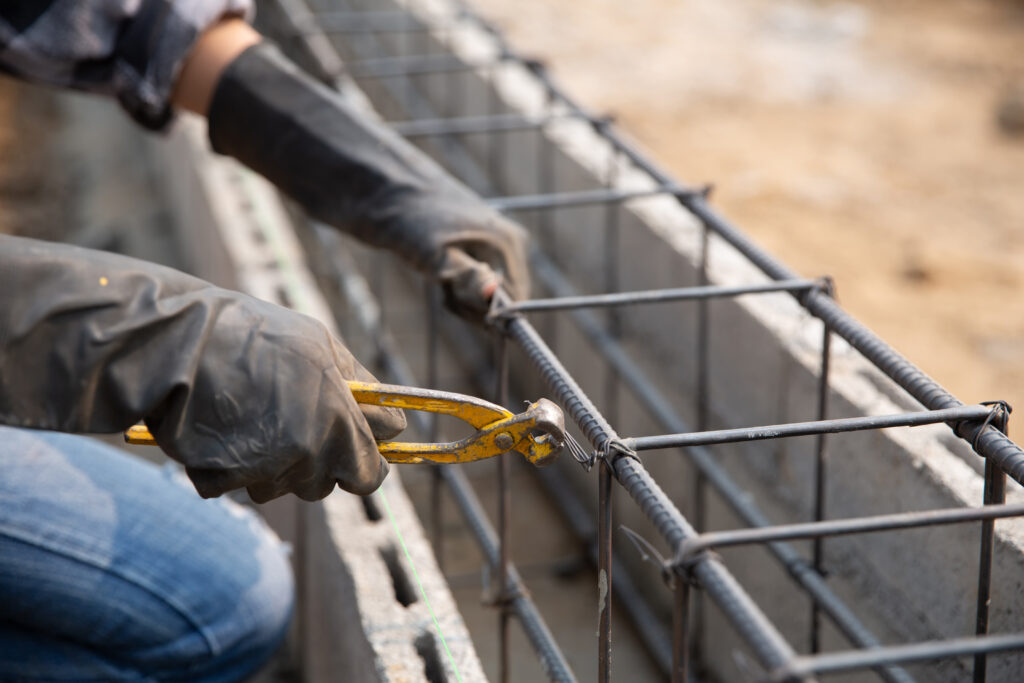
What's actually happening behind the wall
Concord’s older neighborhoods are full of fieldstone and early poured or block foundations laid dry or with lime mortar, with soil backfilled directly against the stone. There is no membrane and usually no drainage layer behind the wall. Over decades, that backfill settles and compacts, holding water against the foundation instead of letting it drain past toward daylight or a footing drain that was never installed in the first place.
Every freeze-thaw cycle adds to the damage. Water trapped in the wall’s joints freezes, expands, and pushes stone and mortar apart a little more each winter, then relaxes slightly as it thaws, only to repeat the cycle again next season. By the time a wall is visibly bowing, stair-step cracking in block, or stone noticeably out of plane, that process has usually been going on for years, hidden behind soil, grade, or finished basement walls.
Understanding this is what shapes the right fix:
- Regrading and adding drainage to stop water from reaching the wall
- Reinforcing or straightening the wall itself
- Addressing the backfill soil that’s causing the pressure
Reading the symptoms correctly
A wet corner every spring, a horizontal crack creeping across the block, a wall that leans in a few degrees, efflorescence staining the surface – each of these points somewhere slightly different, and Concord’s mix of older foundations and clay-heavy soil means we see all of them regularly. Some symptoms are cosmetic, a sign of moisture finding a path through porous material. Others mean the wall is actively losing its ability to hold back the soil and hydrostatic pressure behind it, and that distinction changes everything about the right response.
We won’t diagnose structural movement from a description over the phone, and we’re wary of anyone who will. A wall that is simply damp, and needs better drainage or sealing, is a different job entirely from a wall that is failing and needs bracing, piering, or rebuilding. Seasonal freeze-thaw cycles and shifting clay around Concord can produce cracks that look alarming but aren’t, and others that look minor but aren’t. That difference is worth seeing in person – checking crack width, direction, and whether it’s active – before any plan or recommendation gets made.
The work, in order
Excavation and access
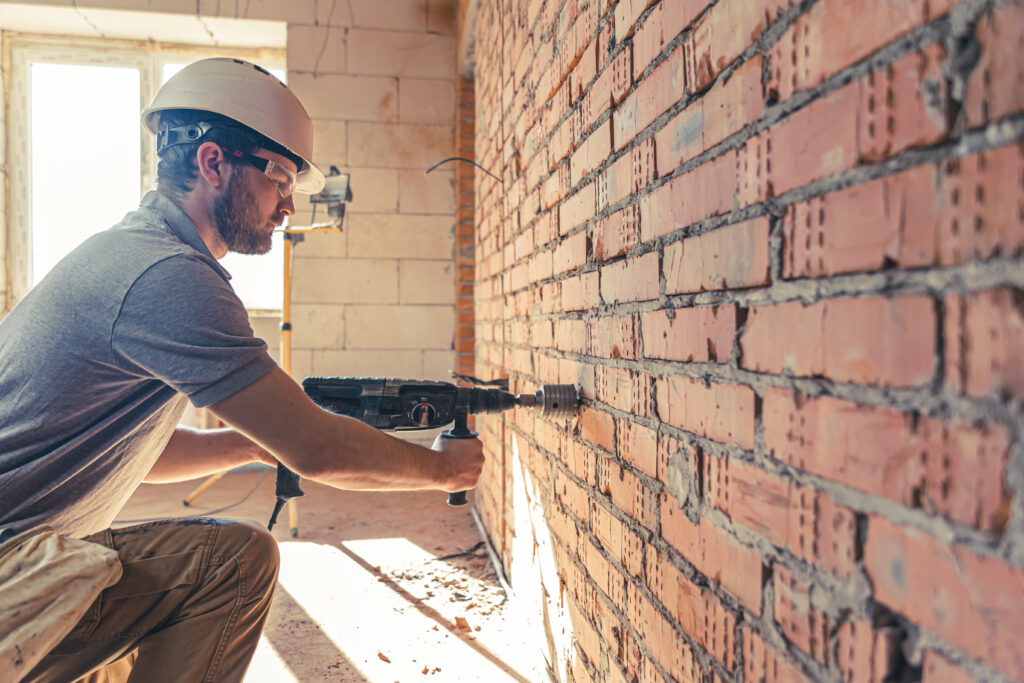
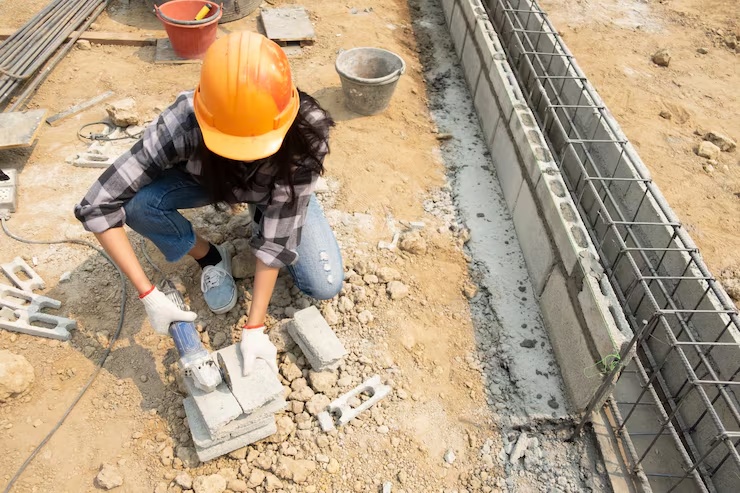
Work starts by digging down to the footing along the affected run of wall, usually with a mini excavator where the lot allows one. Tight city-centre lots sometimes mean hand digging instead, which changes both the timeline and the approach.
Protecting what's already there
Mature plantings, stone walls, and existing walks near the excavation get assessed before digging starts. Some can be worked around; others have to come out and get reset once the trench is backfilled, graded, and compacted properly.
Treating the wall
Once exposed, the Concord foundation wall gets cleaned and any loose or failing stone, brick, or mortar repaired before a dimpled drainage membrane goes on the exterior face, channeling groundwater down to the footing drain instead of through the wall.
Drainage and backfill
A perimeter drain at the footing carries water away from the wall to daylight or a dry well. Backfill goes in with free-draining material near the wall, not the same dense clay that caused the problem.
Reinstating the ground
The final grade slopes away from the house along the whole excavated run through the Concord property. Lawn, beds, and any hardscape disturbed during the dig get carefully rebuilt last, once the drainage below is tested and confirmed working properly.
Grading, slope, and what happens at the surface
Fixing the wall solves half the problem. The other half is what the ground does during the next storm. If the grade around the house slopes toward the foundation instead of away from it, water keeps finding its way back to the same wall no matter how good the drainage system below is. Regrading the soil near the house, so it falls away from the foundation over the first several feet, is part of almost every exterior job we do, and it is often the piece skipped by interior-only fixes.
On the longer rural drives common outside Concord’s centre, this sometimes extends further than the house itself. A drive that falls toward a garage or a low point near the foundation is moving water the wrong way every time it rains, and that water has to go somewhere. If a section of driveway, walk, or patio sits over the area we need to excavate, or is contributing to the problem, it gets lifted and rebuilt as part of the same job rather than treated separately, scheduled around the foundation repair.

Before you call
A few things help us scope the job accurately on the first visit. Note when the water appears – after heavy rain, during spring thaw, or year-round – and where exactly it enters the basement. Photograph any cracking, bowing, or staining on both the interior and exterior wall if you can get to it safely, and note whether the symptom has gotten worse recently or stayed the same for years. Check doors and windows for new sticking, and look along the foundation’s exterior for grading that slopes toward the house rather than away from it, since that’s a common contributor in older Concord neighborhoods. If you have a sump pump, note how often it’s cycling. None of this requires any special knowledge, just a close look before someone comes out.
What to check and write down first
These are the pointers that help most before anyone visits.
- Note where and when. Which wall, which corner, and whether it follows heavy rain, snowmelt or a particular season.
- Photograph it dry and wet. Take pictures of the same spot on a dry day and again after rain.
- Look at the outside. Check whether the ground beside that wall slopes toward the house, whether a downspout empties near it, and whether anything piles water against it.
- Check for movement. Look for horizontal cracks, a wall that leans in, or stones that have shifted. Mark the ends of a crack with a pencil and date it, so changes can be seen.
- Check the stonework. Press on the mortar. If it crumbles or sands away, say so.
- Think about access. Where could a machine stand, and what is in its way? Tell us who shares the drive or boundary.
- Leave it as you found it. Do not seal or patch the wall before we see it. It hides what we need to look at.
Questions we get asked
Is this the same as waterproofing or damp-proofing my basement from the inside?
No. Interior coatings and sealants manage water once it's already inside. This is exterior work: excavating to the footing, repairing the wall, and rebuilding drainage so water doesn't reach the wall in the first place.
Will my driveway or patio need to come up for this work?
Only if it sits directly over the section being excavated, or if it's part of the drainage problem itself. We'll tell you during the site visit whether that applies to your property.
How do you deal with mature trees and old stone walls close to the foundation?
We assess each one before digging. Some can be worked around with careful excavation; others, particularly where roots or old stonework sit right against the affected wall, need to come out and be reset afterward.
Can you just fix the crack instead of excavating the whole wall?
Sometimes a localized repair is genuinely enough, and we'll say so if that's what we see. But if the cause is ongoing water pressure from poor drainage, patching the visible crack usually just delays the next one.
Next step
Call us on (413) 337-3772. Tell us which wall, what you have seen, and how the lot slopes around it. We have worked across Middlesex County since 1988, and we will tell you plainly what is likely going on and whether outside work is the right answer.