
Foundation Work in Franklin, MA
Water coming through a basement wall after heavy rain. A damp patch that never quite dries out, even in August. A corner of the foundation that looks like it’s crumbling, or a section that bows slightly inward. These aren’t cosmetic problems and they don’t come from inside the house. They come from what’s happening in the soil against the wall, and that’s where the fix has to happen too.
Franklin has two very different kinds of foundations doing this. Homes on the older roads near the town center were often built on fieldstone or rubble foundations with no membrane and no drainage system around them at all. Water simply finds its way through the stone and mortar joints because nothing was ever installed to stop it. Newer construction from the subdivision boom of the 1990s and 2000s has poured concrete foundations, which hold up differently, but on the larger lots that came with that growth, grading and drainage were sometimes an afterthought next to the house itself. A downspout dumping at the foundation, or a yard that slopes back toward the house instead of away from it, will eventually push water against a wall that was never built to hold it back.
The clay-heavy soil common through parts of Franklin makes this worse. Clay expands when it’s saturated and contracts hard when it dries, and that constant swelling and shrinking against a foundation wall is what eventually opens cracks that water then uses as an entry point. A wall can look stable for years and then start leaking the season after a particularly wet spring, not because anything sudden happened, but because the soil finally found the weak point.
Interior sealants and coatings are common because they’re the cheap option, but they only paint over where the water is already arriving. They don’t stop it from reaching the wall in the first place. The water keeps moving through the stone or concrete; it just finds a new path, often lower down or in a different spot entirely the following season. Treating a foundation problem properly means working from the outside: excavating down to the footing, dealing with the wall itself, applying a proper waterproof membrane, installing or repairing footing drains, and rebuilding the grading so water moves away from the house instead of into it. It’s slower and more disruptive than a basement coating, and it costs more, but it addresses the actual mechanism rather than the symptom.
- Fieldstone and rubble walls typically need repointing and an exterior membrane, not just patching
- Poured concrete walls with cracking often point back to grading or downspout placement first
- Footing drains clogged with silt are a common hidden cause of recurring dampness
This is excavation, drainage, and regrading work. It sits next to what we do in paving and hardscape, but it is its own trade with its own sequence, and the rest of this page walks through how that sequence actually runs on a property like yours.


What Our Clients Say
What's Actually Happening at the Wall
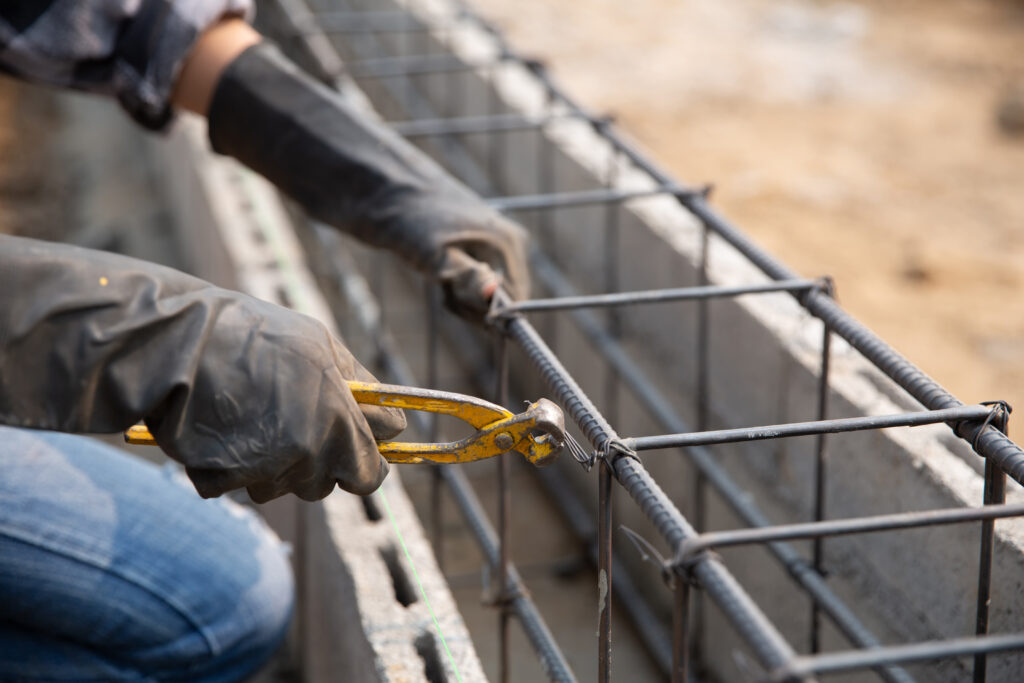
A fieldstone or rubble foundation was never built with a membrane. Water moves through the gaps between stones under hydrostatic pressure whenever the soil beside the wall is saturated. It isn’t flowing under the footing, it’s pushing through the wall itself, which is why interior drains and sump pits only ever catch part of the problem. Franklin’s older neighborhoods still sit on plenty of these original stone walls, and the mortar joints between them erode a little more with every freeze-thaw cycle.
Poured concrete foundations are more resistant but not immune, especially once hairline cracks develop or where a cold joint was never sealed properly during the original pour. Add a grade that slopes the wrong way, gutters that have pulled loose, or downspouts discharging right at the wall, and the pressure against that concrete never lets up long enough for it to stay dry.
- Hydrostatic pressure building against stone or concrete
- Cracked mortar joints and unsealed cold joints
- Poor grading and downspouts dumping water at the wall
- Clogged or missing gutters adding runoff right at the foundation
Excavation, Wall Treatment, and Backfill
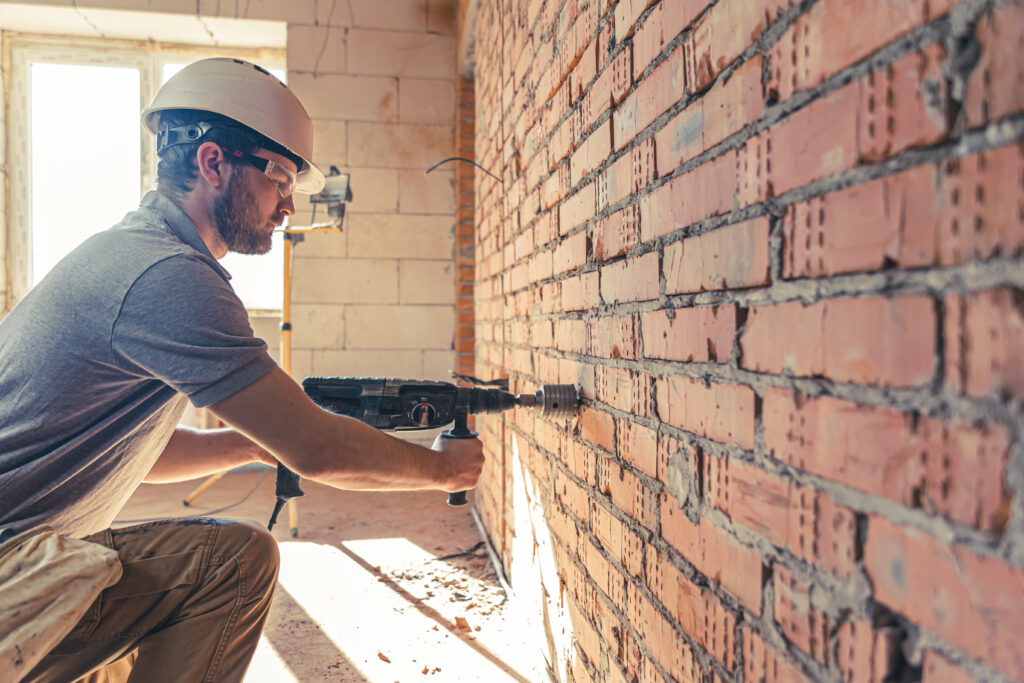
The sequence starts with excavation down the affected side of the wall to the footing, exposing the full height of the problem rather than guessing at it from inside. In Franklin’s clay-heavy soils, this step matters more than it does elsewhere, since saturated clay pushes against a foundation wall with far more force than sandier ground does once the frost comes out of it. Whatever is directly against the wall, whether old parging, loose stone, or failed coating, gets addressed before anything new goes back.
A drainage path is then rebuilt alongside the footing so water has somewhere to go other than through the wall, and the backfill is placed to keep that path working rather than collapsing it again within a season or two.
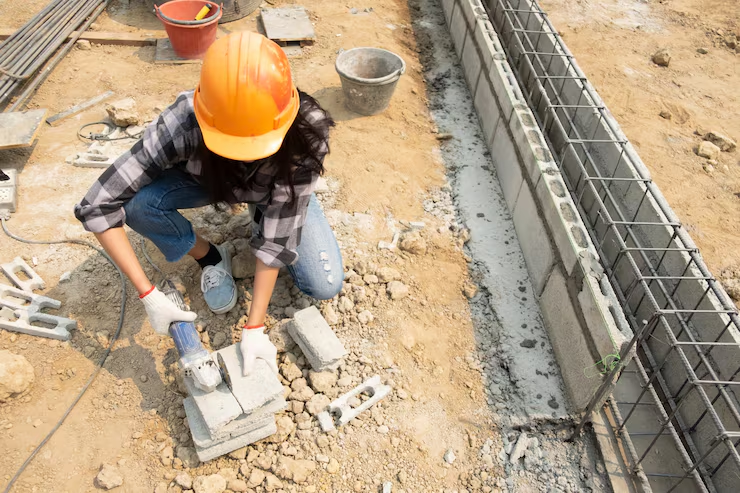
- Excavation exposes the full wall height, not just the visible crack
- Old coatings, parging, and loose stone are stripped before repair
- Drainage is rebuilt to carry water away from the footing
- Backfill is placed in stages to protect that drainage path
The work, in order
Planting and Hardscape in the Way
Shrubs, foundation plantings, and sometimes a section of walkway or patio in Franklin sit directly over the dig line. These get carefully removed and reinstated as a matter of sequence, not billed later as a surprise add-on.
Access on a Franklin Lot
The large lots from Franklin’s subdivision era usually give a machine room to reach most sides of the house. Older in-town lots, closer to the street with mature trees, often don’t, which changes the whole plan.
Regrading After the Dig
Once the wall and drainage work is done, the yard gets regraded so the slope carries water away from the foundation instead of back toward it. This is often the step that was missing in the first place.
When the Drive or Walk Is in the Way
If a driveway or walkway sits over the excavation path, that section comes up before the dig starts and gets reinstated afterward. It’s treated as part of the access plan, not an extra.
Older Franklin Homes vs Newer Subdivisions
Older homes near town usually have fieldstone foundations with no drainage, requiring full exterior excavation to fix.
What to Check Before Anyone Comes Out
A few things are worth noting before a site visit, because they tell us a lot about what’s happening underground. Watch where water shows up on the wall after a hard rain, and whether it’s the same spot every time or it moves. Check where your downspouts actually discharge, and whether the ground within several feet of the foundation slopes toward the house or away from it. Take photos of any cracking, bowing, or staining, and note whether the problem is worse in spring, after snowmelt, or after specific storms. If you have an irrigation system, check whether a head is spraying toward the foundation. None of this replaces a site visit, but it narrows down whether you’re dealing with a wall that’s letting water through directly or a grading and drainage issue pushing water at a wall that would otherwise hold. Both of those lead to different scopes of work, and knowing the pattern before we arrive saves time once we’re on site looking at the actual excavation.

Next Step
If you're seeing water, damp, or movement at a foundation wall in Franklin, the sooner the cause is identified the less excavation it usually takes to fix. Franklin's mix of older in-town lots near the center and newer subdivision construction out toward the Bellingham and Medway lines each bring their own foundation issues. Older homes often show settling cracks, bowing walls, or sill damage tied to decades of soil movement and outdated drainage, while newer builds can still struggle with poor grading, clogged footing drains, or backfill that wasn't compacted properly. We look at the whole picture before recommending work: grading and gutter discharge around the foundation, the condition of existing drainage, soil type, and how water actually moves across the lot during a storm. That assessment tells us whether the fix is interior drainage, exterior waterproofing, crack injection, wall reinforcement, or a more involved structural repair. We also work in neighboring Bellingham and Medway, where the same combination of housing ages and site conditions shows up regularly.
What to check and write down first
These are the pointers that help most before anyone visits.
- Note where and when. Which wall, which corner, and whether it follows heavy rain, snowmelt or a particular season.
- Photograph it dry and wet. Take pictures of the same spot on a dry day and again after rain.
- Look at the outside. Check whether the ground beside that wall slopes toward the house, whether a downspout empties near it, and whether anything piles water against it.
- Check for movement. Look for horizontal cracks, a wall that leans in, or stones that have shifted. Mark the ends of a crack with a pencil and date it, so changes can be seen.
- Check the stonework. Press on the mortar. If it crumbles or sands away, say so.
- Think about access. Where could a machine stand, and what is in its way? Tell us who shares the drive or boundary.
- Leave it as you found it. Do not seal or patch the wall before we see it. It hides what we need to look at.
Questions we get asked
Is foundation water always a foundation problem, or could it be the driveway or yard grading?
Often it's grading. If a driveway, patio, or yard slopes toward the house instead of away from it, water gets pushed against the wall even if the foundation itself is sound. A site visit can usually tell the difference quickly by looking at where water pools after rain.
Do you fix the inside of the basement too?
No. This is exterior excavation, wall treatment, drainage, and regrading work. Interior coatings and sump systems are a different trade and only manage water that's already gotten through.
How disruptive is excavation around a foundation?
It involves digging along the affected side of the house down to the footing, which means losing plantings and sometimes a section of walkway or patio in that path for the duration of the work. It's reinstated afterward, but it's not a quiet job.
My house is newer, built in one of the Franklin subdivisions. Can this still happen?
Yes, though it's less often the wall itself and more often grading or downspout placement pushing water at a foundation that would otherwise handle it fine. That's usually a smaller scope than full wall excavation.
What should I document before calling?
Photos of any staining, cracking, or damp patches, notes on whether the issue follows heavy rain or snowmelt, and where your downspouts and grading currently direct water. That detail helps narrow down the cause before anyone is on site.
Next step
Call us on (413) 337-3772. Tell us which wall, what you have seen, and how the lot slopes around it. We have worked across Middlesex County since 1988, and we will tell you plainly what is likely going on and whether outside work is the right answer.