
Foundation Work in Hopkinton, MA
Water coming through a basement wall after a heavy rain. A damp corner that never quite dries out, even in a dry summer. A section of foundation that has started to bow inward or crumble at the mortar joints. These aren’t cosmetic problems, and they don’t start in the basement. They start outside, at the wall, and that’s where they have to be fixed.
Around Hopkinton we see this most in the older homes near the center and the marathon start, where fieldstone and rubble foundations were built with no membrane and no way to carry water away from the wall. Newer subdivisions on the hillier ground have a different version of the same problem: a long sloping drive or a graded yard sending water straight at a foundation that was never built to handle the volume. Add in the ledge and tight clay pockets common to this part of MetroWest, and water that can’t drain down has nowhere to go but sideways, into the wall.
Why water gets in
An old stone or rubble foundation isn’t solid. It’s built from fitted or mortared stone with gaps behind it, backfilled with whatever soil was on site. There’s no waterproof membrane stopping moisture, so water doesn’t go under the wall, it moves through it, following the path of least resistance between stones and through old mortar. When the ground around the house stays saturated, that path stays active. Fix the ground, and you fix the wall.
Interior sealants and interior drain channels treat the symptom. They manage water once it’s already inside. They don’t stop it from entering the wall in the first place, and they don’t stop the wall itself from continuing to deteriorate. That’s the difference between a patch and an actual repair, and it’s worth being honest about before anyone starts digging.
Exterior work means excavating down the outside of the foundation to the footing, treating the wall itself, installing drainage that actually moves water away, and backfilling properly. It’s more disruptive and more involved than anything done from inside. It’s also the only approach that addresses the cause instead of managing the result.
A proper exterior repair generally includes:
- Excavation to the footing, done in manageable sections so the yard and any nearby walkways or patios aren’t torn up all at once
- Cleaning and repointing or parging the wall, and addressing any stones that have shifted or cracked
- A trowel-applied or sheet waterproofing membrane across the treated wall surface
- New footing drain tied into daylight or a sump, set in washed stone so it won’t silt up and stop working
- Backfill with free-draining material instead of the original soil, so water moves away from the wall instead of sitting against it


What Our Clients Say
What's Actually Happening at the Wall
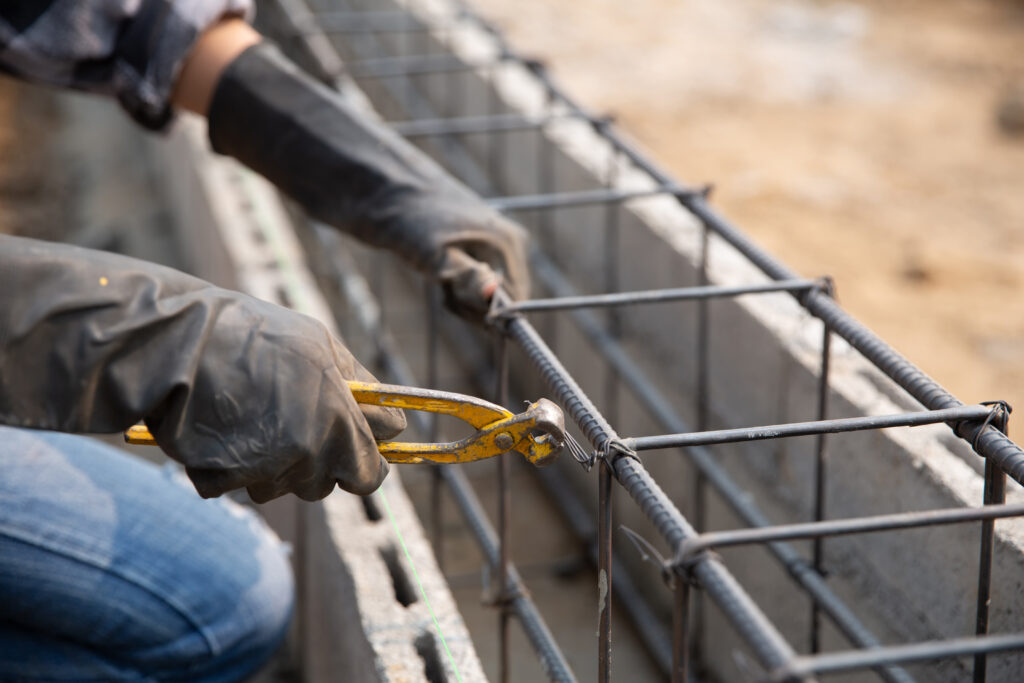
A rubble or fieldstone foundation was never meant to be watertight on its own. It relied on dry backfill, reasonable grading, and time. Decades of settling, tree roots, and changes to the grade around the house erode that balance. Mortar joints open. Stones shift slightly. Hydrostatic pressure from saturated soil pushes water through those openings, and in cold months, freeze-thaw cycling widens whatever cracks are already there.
Hopkinton’s mix of older farmhouses and homes built close to ledge or heavy clay soil makes this especially common. Many properties near the reservoir and surrounding wetlands sit on ground that holds water longer after storms, which keeps pressure on the wall even after the rain stops. Lots with mature trees add another factor, since roots can work into existing joints and open them further over time.
Why This Is an Outside Job
Treating the inside face of a foundation wall doesn’t change what’s happening in the soil against the outside face. Water that can’t get through the wall anymore still has to go somewhere, and it will find the next weak point – a different wall, the slab, or a sump pump that now runs more than it should. In Hopkinton’s older neighborhoods, where fieldstone and parged block foundations are common, that weak point often shows up fast once one path is sealed off.
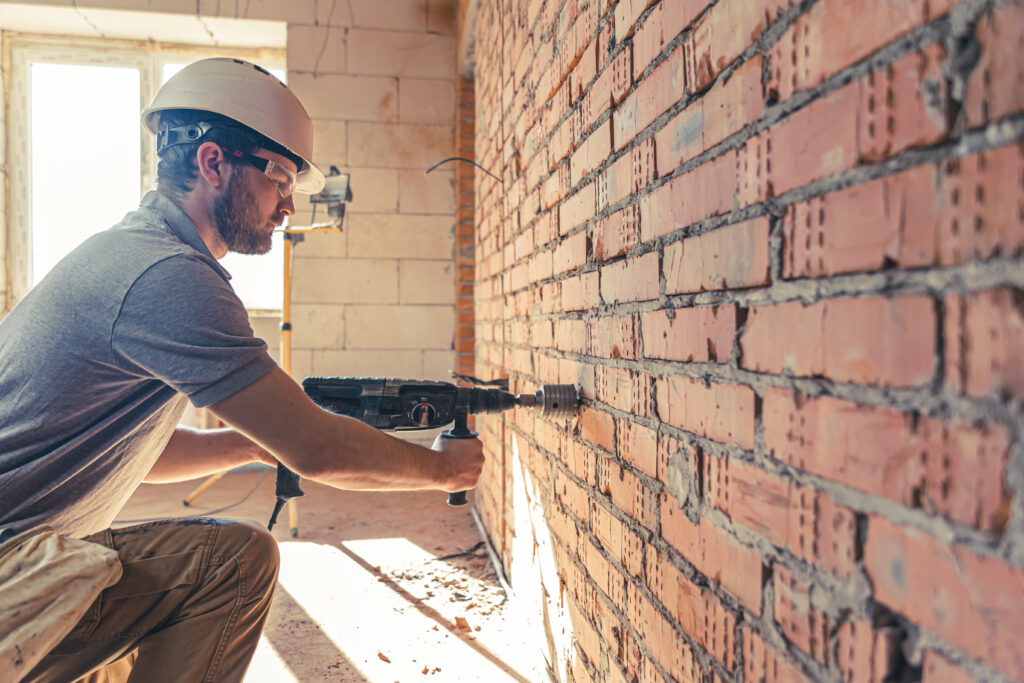
Exterior excavation lets us see the actual condition of the wall and footing, correct the drainage at the source, and backfill with material that won’t hold water against the stone again. We can also check the footing drain itself, which on many older properties was never installed or has long since silted shut. It costs more and takes longer than an interior fix, and it means disturbing a section of yard or landscaping for a few days.
That’s the honest trade-off, and it’s the only approach that deals with the cause rather than the symptom. Why exterior work holds up better over time:
The work, in order
Access and Excavation
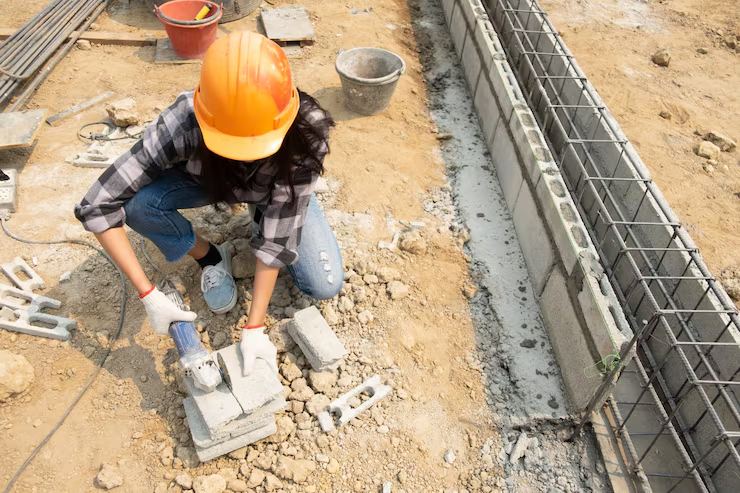
Work starts with excavating along the affected section of foundation wall down to the footing, exposing stone, rubble, or concrete so it can be inspected and treated directly.
Planting and Hardscape
Shrubs, garden beds, walkways or patios near the Hopkinton foundation often sit squarely in the excavation path. Before digging starts, we survey the yard, flag what can be saved, and plan removal and restoration of what has to come out.
Wall Treatment
Once exposed, the Hopkinton foundation wall is cleaned, deteriorated mortar repaired, and cracks sealed. A water-resistant coating or rubberized membrane is applied to the exterior face, then protected with drainage board before careful backfill restores the grade.
Drainage and Backfill
A perimeter drain set at the footing carries groundwater away from the wall before it can pool. Backfill uses free-draining gravel, placed and compacted in lifts, so hydrostatic pressure doesn’t rebuild against Hopkinton’s clay-heavy soil and stone foundations.
Reinstating the Ground
Once foundation work is complete, the excavated area around your Hopkinton property is regraded to direct water away from the house. We then restore the disturbed ground with matching soil, lawn, mulch beds, or hardscape for a seamless finish.
Why Access Decides the Approach in Hopkinton
On the newer hillside subdivisions, a long sloping drive often runs right past the side of the house where water collects, which means equipment has to share that same tight approach as the excavation itself. On the older lots near the center, mature trees and closer-set houses can mean the affected wall is only reachable by hand or with a small machine, which changes both the timeline and the sequence of work. Stone walls, septic lines, and established landscaping common throughout Hopkinton properties add another layer of planning before any digging starts.
Before any plan is set, we look at how a machine gets to the specific wall in question – which side of the house, what’s in the way, and whether the driveway or a neighboring path is the only practical route in. That assessment shapes everything that follows, including:
- How much of the yard or hardscape has to be disturbed
- Whether hand excavation is needed for part of the job
- How materials and spoil get moved in and out
- What sequence keeps the foundation stable throughout
Getting this right upfront avoids costly surprises once work is underway.

What To Check Before You Call
Take photos of the wet area now, note whether it follows rain within a day or shows up independent of weather, and check if the ground outside that wall slopes toward the house or away from it. Look for visible cracks, bowing, or crumbling mortar and note roughly where they sit relative to grade. Check gutters and downspouts too — a disconnected extension or a spout dumping water right at the foundation is one of the most common causes we find around Hopkinton properties, old and new alike.
That information helps narrow down whether the issue is isolated to one wall section or tied to the broader grading around the foundation, and it saves time once someone is on site looking at the actual ground, the slab, and how the yard sheds water during a storm.
What to check and write down first
These are the pointers that help most before anyone visits.
- Note where and when. Which wall, which corner, and whether it follows heavy rain, snowmelt or a particular season.
- Photograph it dry and wet. Take pictures of the same spot on a dry day and again after rain.
- Look at the outside. Check whether the ground beside that wall slopes toward the house, whether a downspout empties near it, and whether anything piles water against it.
- Check for movement. Look for horizontal cracks, a wall that leans in, or stones that have shifted. Mark the ends of a crack with a pencil and date it, so changes can be seen.
- Check the stonework. Press on the mortar. If it crumbles or sands away, say so.
- Think about access. Where could a machine stand, and what is in its way? Tell us who shares the drive or boundary.
- Leave it as you found it. Do not seal or patch the wall before we see it. It hides what we need to look at.
Questions we get asked
How do I know if this is a foundation problem and not just a wet basement?
If the dampness or water tracks back to a specific wall, especially after rain, or you can see cracking, bowing, or crumbling mortar on that wall, it's a foundation issue rather than a general moisture problem. A visible wet corner that returns every spring is a strong sign the ground outside that wall needs attention.
Can this be fixed from inside the basement instead?
Interior coatings and drain channels can manage water once it's already inside, but they don't stop it from moving through the wall or address the pressure building in the soil outside. For an older fieldstone or rubble foundation, the lasting fix is almost always on the exterior.
Will this disturb my yard or driveway?
Yes, usually. Excavating down to the footing means digging along the affected section of wall, which can affect nearby plantings, walkways, or even a section of driveway if it sits close to that wall. We plan the excavation to limit disruption but it isn't avoidable where access is tight.
How is this different from driveway or paving work?
It's a separate trade entirely. Foundation work deals with excavation, drainage, and the structure of the house itself. We mention it here because the same grading and access issues that affect a driveway often affect the ground around a foundation, but the work and the goals are different.
Next step
Call us on (413) 337-3772. Tell us which wall, what you have seen, and how the lot slopes around it. We have worked across Middlesex County since 1988, and we will tell you plainly what is likely going on and whether outside work is the right answer.