
Foundation Work in Needham, MA
Water coming through a basement wall after heavy rain. A damp patch in the corner that never fully dries out, even in summer. A section of foundation that bows inward or sheds crumbs of mortar when you run a hand over it. These are not cosmetic problems and they do not come from inside the house. They come from what is happening in the ground outside, against the wall, and that is where the fix has to happen too.
Needham has a lot of older housing stock sitting next to newer builds, often on the same street, because of how much teardown-rebuild activity the town has seen over the past couple of decades. Many of the original houses still standing were built on fieldstone or rubble foundations with no damp-proofing membrane and no working perimeter drain. They were built for a drier, less developed landscape than the one around them now. More hardscape nearby, more roof area draining to fewer places, and decades of soil settling against the wall all push more water at a foundation that was never built to handle it.
Why the inside never fixes it
A fieldstone or old poured wall does not hold water out the way a modern foundation does. Water moves through the stone and mortar joints themselves, not underneath them. An interior sealant or a sump pump can manage where the water ends up once it is inside, but neither one stops it from entering the wall in the first place. That only happens from the outside, by excavating down to the footing, dealing with the wall itself, and giving water somewhere else to go before it reaches the house.
That is also why this is a different job from drainage work done at the surface. Regrading a lawn or adding a catch basin can reduce how much water reaches the foundation, and it is often part of the same project, but if the wall itself is already letting water through, surface work alone will not solve it.
A proper foundation repair in a town like this usually moves through a few distinct stages, and it helps to know what each one actually involves before a crew shows up:


What Our Clients Say
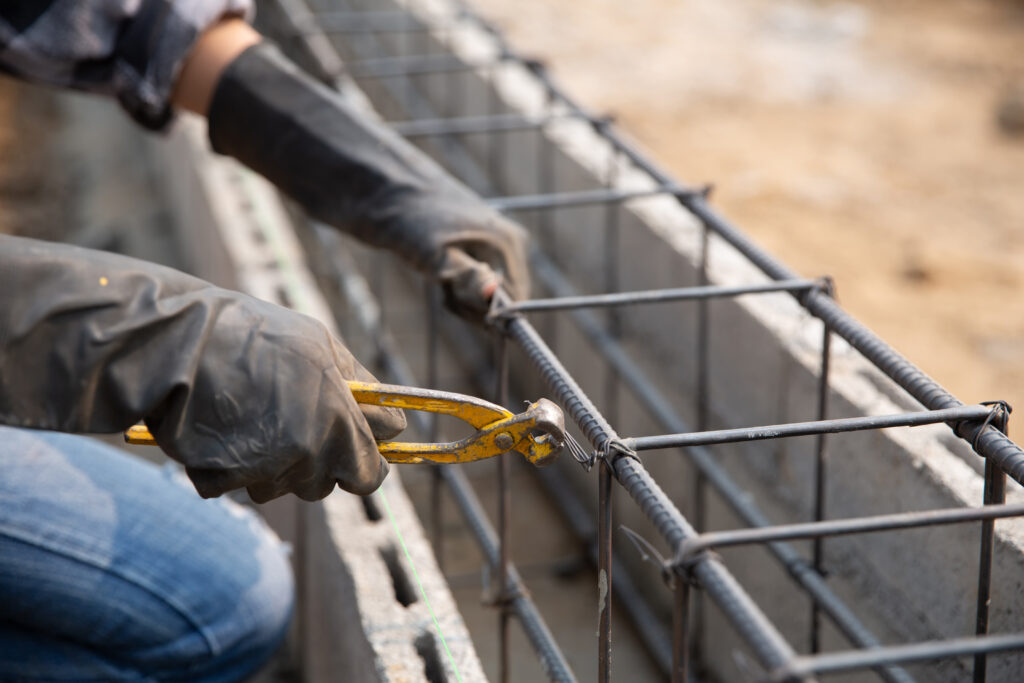
What's actually happening at the wall
In a fieldstone or old rubble foundation, the wall itself is the problem, not a hole or a crack somewhere. Water migrates through the joints between stones under hydrostatic pressure, especially once the soil around the house is saturated for days at a time. The mortar between those stones was never meant to be a waterproofing layer, so once it starts washing out, moisture finds a path through on its own schedule, often worse in spring thaw and after prolonged fall rain.
On the lots we see most often in Needham, where an older house sits close to a newer build or an addition, drainage patterns have usually changed since the foundation went in. Roof runoff, grading from a neighbouring project, or a driveway that now sheds water toward the house all add load to a wall that was never waterproofed to begin with. We also see additions built tight to the original foundation, which cuts off the exterior grading that used to carry water away and leaves the old wall absorbing more than it ever did.
The outside is where the work happens
Treating the cause means excavating down to the footing on the affected side, cleaning and treating the wall, installing drainage at the base, and backfilling with material that lets water move away instead of pooling against the stone or block. On the older foundations common around Needham, that often means working carefully around fieldstone or rubble construction rather than poured concrete, which changes how the excavation and the treatment are handled.
It is slower and more invasive than anything done from inside the basement. A trench along the wall, a machine on site for days rather than hours, and ground that has to be reinstated afterward. Plantings, walkways, and in some cases a section of driveway or patio may need to come up first and go back after. That is the honest shape of the job before any of the detail.
- Excavation down to footing level on the affected side
- Wall cleaning, repair, and waterproof treatment
- New footing drainage tied into existing or new discharge
- Backfill with free-draining material, then site reinstatement
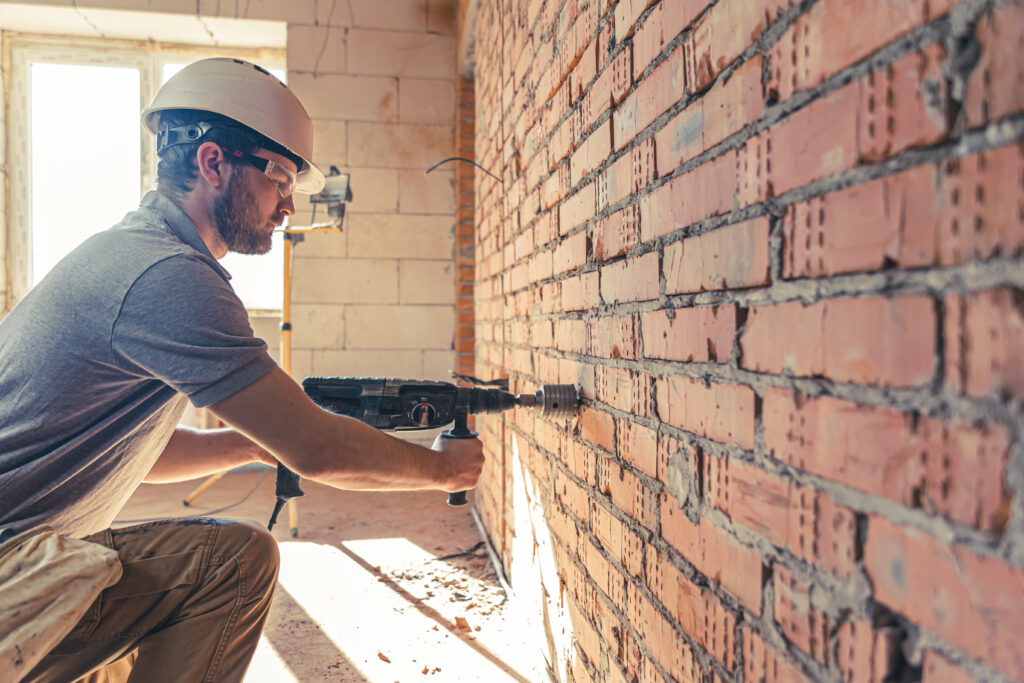
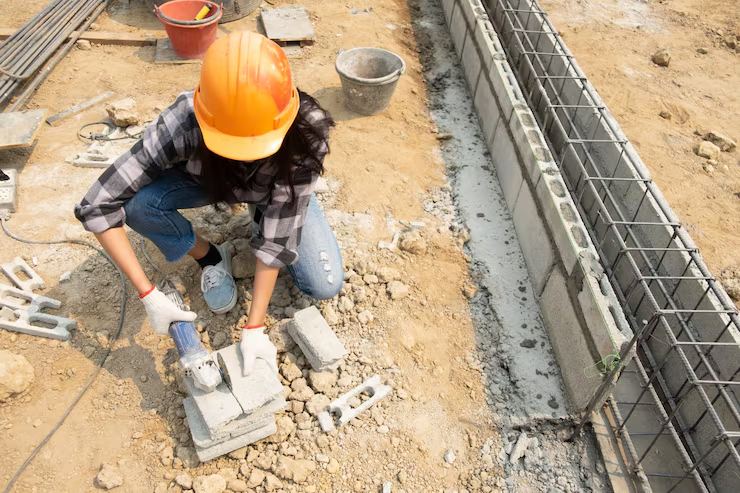
The work, in order
Access and excavation
Work starts by opening a trench along the problem section of wall, down to the footing, so the full height of the foundation is exposed.
Planting and hardscape
Anything in the excavation path, shrubs, a walkway, a patio edge, mature plantings, has to come out first.
Treating the wall
Once exposed, the Needham foundation wall is cleaned and treated on its exterior face, addressing the stone and mortar joints water is moving through directly.
Drainage and backfill
A drain line at the footing gives groundwater somewhere to go besides your Needham basement.
Reinstating the ground
Once foundation work finishes, we rebuild the grade around your Needham home to shed water away from the walls, following original contours.
Access decides the approach
On the narrow, mature lots common in Needham’s established neighbourhoods, especially where an older house sits tight to a rebuild next door or has limited side-yard clearance, the first real question is whether equipment can even reach the affected wall. A full-size excavator needs room to swing and a path in that will not wreck a driveway, a stone wall, or a neighbour’s fence line along the way.
Where that access does not exist, the job shifts to smaller machinery, mini-excavators, or more hand-digging, which changes both the timeline and the sequence of work. A crew working by hand along one stretch of foundation simply moves slower than one running a full-size rig, and that needs to be priced and scheduled honestly from the start rather than discovered mid-job. We assess this before anything else, because it determines whether the project is straightforward or needs a different plan entirely for getting equipment to the wall.

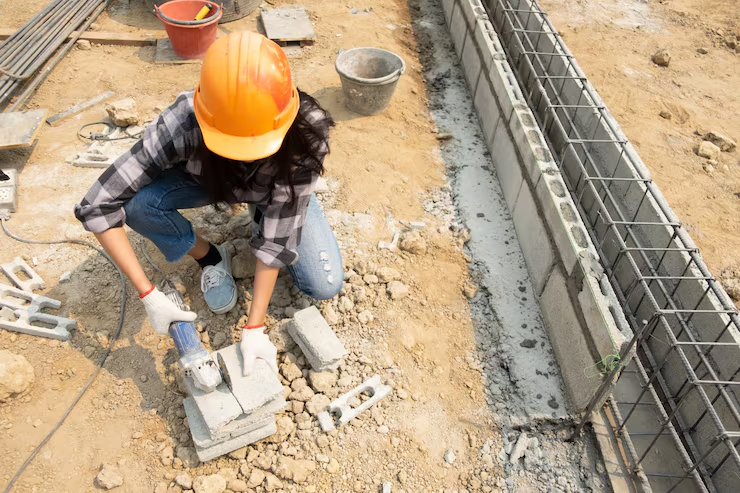
Regrading, and what it means for a drive or walk
Once the wall and drainage work is done, the ground around it has to be rebuilt so water sheds away from the house rather than back toward it. On a lot where the final grade was already tight against a driveway, walkway or patio edge, that surface sometimes has to come up to let the regrading happen properly, then be reinstated once the new grade is set.
This is not a driveway project and we are not pricing new paving here. It is a consequence of fixing the ground correctly: if a hard surface sits in the way of getting the grade right, it has to move temporarily. We flag this during the site visit, not after the trench is already open, so there are no surprises partway through.
The goal at this stage is simple: a slope that carries water off the foundation and keeps it from re-saturating the backfill that was just put down.
What to check and write down first
These are the pointers that help most before anyone visits.
- Note where and when. Which wall, which corner, and whether it follows heavy rain, snowmelt or a particular season.
- Photograph it dry and wet. Take pictures of the same spot on a dry day and again after rain.
- Look at the outside. Check whether the ground beside that wall slopes toward the house, whether a downspout empties near it, and whether anything piles water against it.
- Check for movement. Look for horizontal cracks, a wall that leans in, or stones that have shifted. Mark the ends of a crack with a pencil and date it, so changes can be seen.
- Check the stonework. Press on the mortar. If it crumbles or sands away, say so.
- Think about access. Where could a machine stand, and what is in its way? Tell us who shares the drive or boundary.
- Leave it as you found it. Do not seal or patch the wall before we see it. It hides what we need to look at.
Questions we get asked
How is this different from a basement waterproofing company that works from inside?
Interior fixes manage water once it has already entered, usually with coatings or a sump system. Our work addresses the wall and the ground around it from outside, which is where water is actually getting in on an older fieldstone or rubble foundation.
Will my driveway or patio need to come out for this work?
Only if it sits directly in the path of the excavation or the regraded slope needed around the foundation. We check this during the site visit and tell you upfront if it applies, rather than discovering it once the trench is open.
How do you get equipment to the wall on a tight Needham lot?
It depends on the side-yard clearance and what is already built close to the house. Where a full-size excavator cannot get in and swing safely, we use smaller equipment or hand-dig the affected section, which changes the timeline but not the approach.
Is this a job you can do alongside a driveway replacement?
They are separate trades with separate purposes, but if foundation work means a driveway section has to be disturbed, we can plan the sequence so the ground is reinstated properly instead of patched around twice.
Next step
Call us on (413) 337-3772. Tell us which wall, what you have seen, and how the lot slopes around it. We have worked across Middlesex County since 1988, and we will tell you plainly what is likely going on and whether outside work is the right answer.