
Foundation Work in Sherborn, MA
Water coming through a basement wall after a heavy rain. A damp corner that never quite dries out, even in July. A section of fieldstone foundation that bulges or crumbles when you press it. If any of that sounds familiar, you are not dealing with a cosmetic problem. You are dealing with a house that is taking on water where it was never built to keep water out.
Sherborn has a lot of older homes built the way New England houses were built for generations: fieldstone or rubble foundations, no membrane, no perimeter drain, and a basement that was never meant to be dry in the modern sense. It was meant to keep groceries cool and stay standing. Water moving through that kind of wall is not a sign of poor construction. It is what happens to a stone wall with no barrier once the ground around it gets saturated.
Why it happens
A fieldstone wall is not solid. It is stacked stone and mortar, with gaps and capillary paths running straight through it. When the soil outside holds water, that water finds the path of least resistance, which is through the wall, not under it. On many Sherborn properties, that soil sits wet longer than it should because the house is on a large wooded lot with heavy clay pockets, minimal grading away from the foundation, or a drive and walkway built decades ago that now shed water straight at the house instead of away from it. Mature trees close to the house add another layer: roots can disturb old pointing and drainage layout, and heavy leaf cover keeps the soil around the wall from drying out between storms.
This is a different trade from paving or driveway work, even though the equipment and the crew doing it may overlap. A driveway contractor builds a surface. Foundation work means excavating down the outside of a wall, exposing the problem, and fixing it from the source. We do both kinds of work, but we do not treat them as the same job, and this page is only about the foundation side.
Interior fixes, sealants, sump pumps, interior drain channels, deal with water after it is already inside. They can help manage a symptom. They do not stop water from moving through the wall in the first place. The only way to do that is from the outside: excavate down to the footing, deal with the wall itself, install drainage that actually carries water away, and backfill properly. It is more disruptive and more involved than an interior fix, and it is honest to say that upfront. It is also the only approach that addresses why the water is there.


What Our Clients Say
What's Actually Happening to the Wall
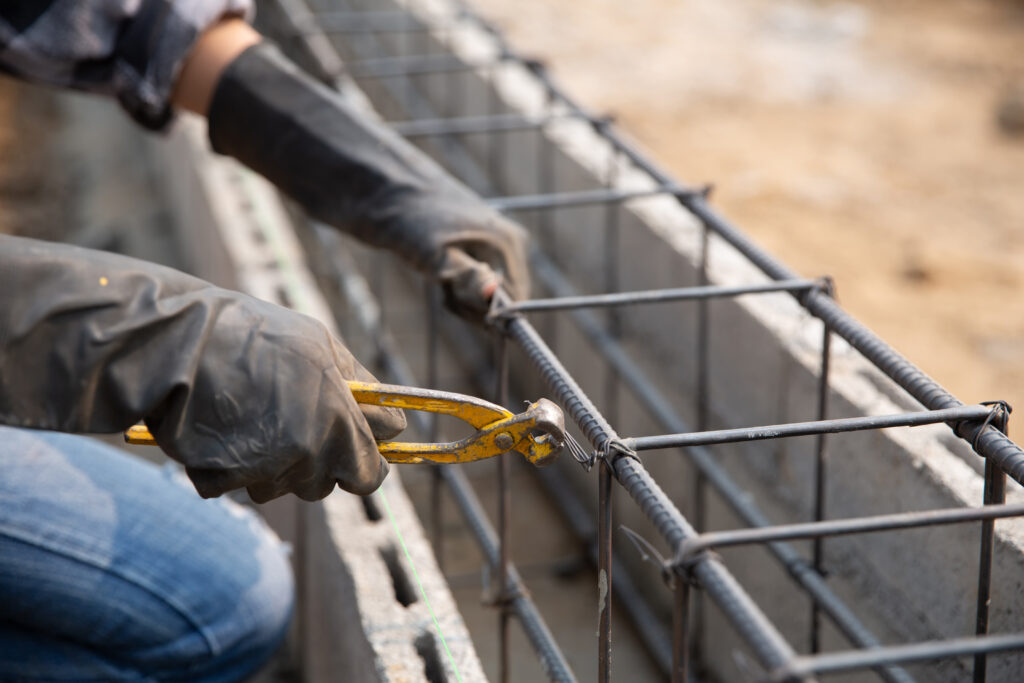
A fieldstone or rubble foundation was built dry-stacked or with lime mortar, with no waterproof membrane behind it. For decades that was fine, because the ground around it drained or the house simply tolerated some dampness. Problems show up when grading changes, gutters and downspouts stop doing their job, or decades of settling open new gaps in the mortar joints. Many older Sherborn homes on rural lots sit close to natural slopes or wooded ground, which means runoff and roof water often have nowhere to go but straight at the foundation.
Why This Has to Be an Outside Job
Coatings and interior drains manage water after it has already crossed the wall. They do not stop the water from reaching the wall in the first place. Fixing that means digging down on the exterior, treating the wall face, and giving water somewhere to go besides through the stone.
Sherborn’s mix of ledge, clay-heavy soil, and older fieldstone and rubble foundations means groundwater often has nowhere to drain naturally once it reaches a wall. On many lots, a perimeter footing drain tied to daylight or a dry well is the only way to actually move water away from the house rather than just intercepting it inside the basement after the damage is done.
The work, in order
Access and Excavation
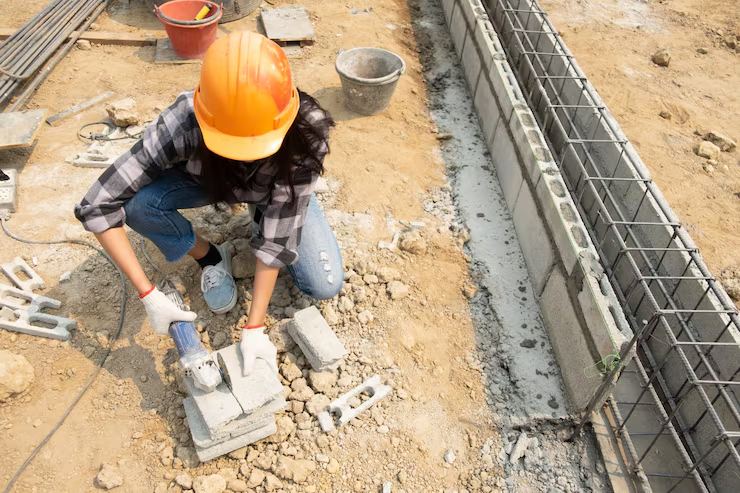
Work starts with excavating down the outside of the affected wall to expose the footing, which means a machine has to reach that side of the house.
Planting and Hardscape
Shrubs, mature beds, stone walkways, or patios near a Sherborn foundation wall usually need careful removal before excavation starts, then thoughtful reinstatement once the wall, waterproofing, and drainage work are complete, so established landscaping and hardscape features return looking undisturbed.
Wall Treatment
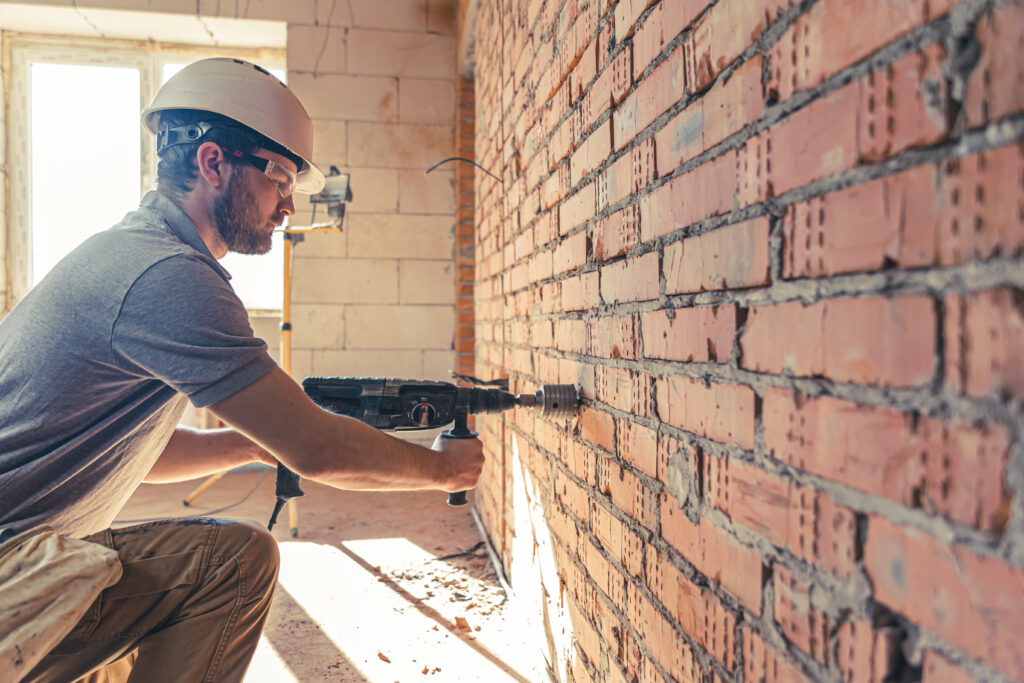
With the wall exposed, we address failing mortar joints, cracked stone, and water-damaged areas common in Sherborn's older fieldstone and block foundations.
Drainage and Backfill
A drainage path is installed at the footing level so water moving through Sherborn's clay-heavy soil has somewhere to go besides the wall.
Reinstating the Ground
The excavated area gets graded back, with soil and any disturbed plantings replaced to match Sherborn’s natural, wooded surrounds. The surface is shaped and compacted to carry water away from the foundation, protecting your home’s structure for years to come.
Access Is the Real Constraint on Sherborn Lots
On a lot with a long private drive through woods, the question is rarely whether the wall needs work. It is whether equipment can physically reach the side of the house that needs it. Extensive conservation frontage, mature trees close to the foundation, stone walls along the drive, and ledge near the surface all narrow the path a machine can take, sometimes to a single workable route in and out.
Some Sherborn properties have one clear approach to a given wall and nothing else, which shapes the whole plan before excavation starts. Ledge close to grade can mean a different excavation approach, smaller equipment, or more hand digging than a lot with deep, workable soil. A driveway that curves through trees to reach a garage may not leave room for an excavator to also reach the foundation on the far side of the house, forcing a second, longer path to be cut or hand-carried materials to close the gap.

Regrading, and What It Means for the Drive or Walk
Once the wall and drainage are done, the ground around the foundation gets reshaped so water runs away from the house instead of toward it. On a lot with the kind of grade changes common around Sherborn, that often means more than just filling the trench back in. It means re-establishing a slope that actually works.
If a driveway, walkway, or patio sits close enough to the foundation to have contributed to the water problem, or close enough that it has to be disturbed to excavate, it may need to come up and be reset once the drainage work is finished. We will tell you plainly if that is the case for your property rather than leaving it as a surprise partway through the job.
What to check and write down first
These are the pointers that help most before anyone visits.
- Note where and when. Which wall, which corner, and whether it follows heavy rain, snowmelt or a particular season.
- Photograph it dry and wet. Take pictures of the same spot on a dry day and again after rain.
- Look at the outside. Check whether the ground beside that wall slopes toward the house, whether a downspout empties near it, and whether anything piles water against it.
- Check for movement. Look for horizontal cracks, a wall that leans in, or stones that have shifted. Mark the ends of a crack with a pencil and date it, so changes can be seen.
- Check the stonework. Press on the mortar. If it crumbles or sands away, say so.
- Think about access. Where could a machine stand, and what is in its way? Tell us who shares the drive or boundary.
- Leave it as you found it. Do not seal or patch the wall before we see it. It hides what we need to look at.
Questions we get asked
Does interior waterproofing fix this?
Interior coatings and drains manage water after it has already come through the wall. They do not stop the water from reaching the wall in the first place. Only exterior excavation and drainage address that.
How do you get equipment to the foundation on a wooded lot?
We look at the actual property before anything else. Long private drives, ledge, and conservation frontage common in Sherborn can limit the approach to one side of the house, which shapes the whole plan.
Will my driveway or walkway need to come up?
Only if it sits close enough to the affected wall to be part of the drainage problem, or close enough that excavation has to disturb it. We will tell you upfront if that applies to your property.
What's actually wrong with an old fieldstone foundation?
It was built without a waterproof membrane or perimeter drain. Water moves through the stacked stone and mortar joints under pressure from saturated soil outside, rather than coming up from underneath.
What should I document before calling?
Note which wall, when the water or dampness appears, and whether it follows heavy rain or snowmelt. Photos of the affected area and any cracking or bowing in the wall are useful background before a site visit.
Next step
Call us on (413) 337-3772. Tell us which wall, what you have seen, and how the lot slopes around it. We have worked across Middlesex County since 1988, and we will tell you plainly what is likely going on and whether outside work is the right answer.