
Foundation Work in Wrentham, MA
Water coming through a basement wall after a heavy rain. A corner of the foundation that stays damp no matter the season. A section of fieldstone that has started to bow, crumble, or push inward. If you own one of Wrentham’s older homes, set well back on a long drive among trees or down near the water, these are not cosmetic problems. They are signs that the ground around the house is moving water in a direction it should not go, and that the wall itself was never built to stop it.
This is foundation work, not paving. We mention that up front because the two trades get lumped together and they are not the same job. A driveway crew fixes a surface. This is excavation, drainage and masonry around the base of a structure, and it has to be treated with the seriousness that implies.
What is actually happening
Many Wrentham houses, especially the older ones set back from the road on rural lots, sit on fieldstone or rubble foundations built long before anyone used a damp-proof membrane or a perimeter drain. These walls were never meant to be watertight. They were built to hold the house up, and they do that well. What they do not do is stop groundwater and surface runoff from moving straight through the stone and mortar joints whenever the soil around them gets saturated.
That is the key distinction. Water does not usually come up under the slab first in these older homes. It moves through the wall itself, following the path of least resistance through old mortar, gaps between stones, and any point where the ground outside sits wet against the foundation for long periods. Spring thaw, a long rain, or snowmelt running off a sloped lot all push water against that wall at the same time the soil is most saturated. On wooded and lakeside lots, where tree cover keeps soil damp longer and grading is often rougher than a developed subdivision, that pressure can sit against the wall for days rather than hours.
Understanding that mechanism matters because it rules out a lot of the fixes homeowners try first. Patching the visible crack on the inside face of the wall does nothing for the water still pressing in from outside; it only moves the leak a few inches to the next weak joint. A sump pump helps manage water once it has already gotten in, but it does not stop the wall from taking on moisture in the first place, and it will not do anything for the long-term crumbling of old mortar.
A proper fix usually starts outside, not in the basement. That means:


What Our Clients Say
Why This Is an Outside Job, Not an Inside Fix
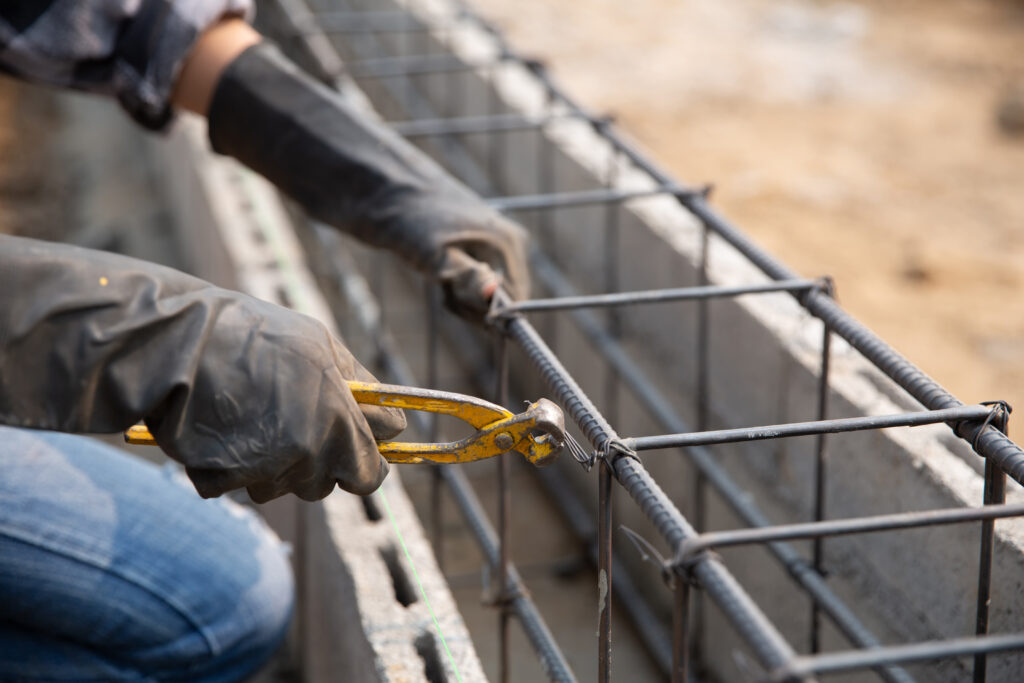
Interior sealants and sump systems manage where water ends up once it is already inside. They do not stop it from moving through the wall in the first place. For a genuine fix, the work has to happen on the outside: excavating down to the footing, treating the wall itself, and rebuilding the drainage path so water is carried away from the foundation instead of sitting against it.
That is also why this work costs more and disrupts more than an interior patch. Excavating around an old Wrentham foundation means digging a trench the full depth of the wall, usually in sections, often by hand close to the house where a machine cannot safely work. It is slower than it looks from the outside, and on a property with mature trees or stonework close to the house, it takes real care to avoid damaging either.
The Work in Sequence
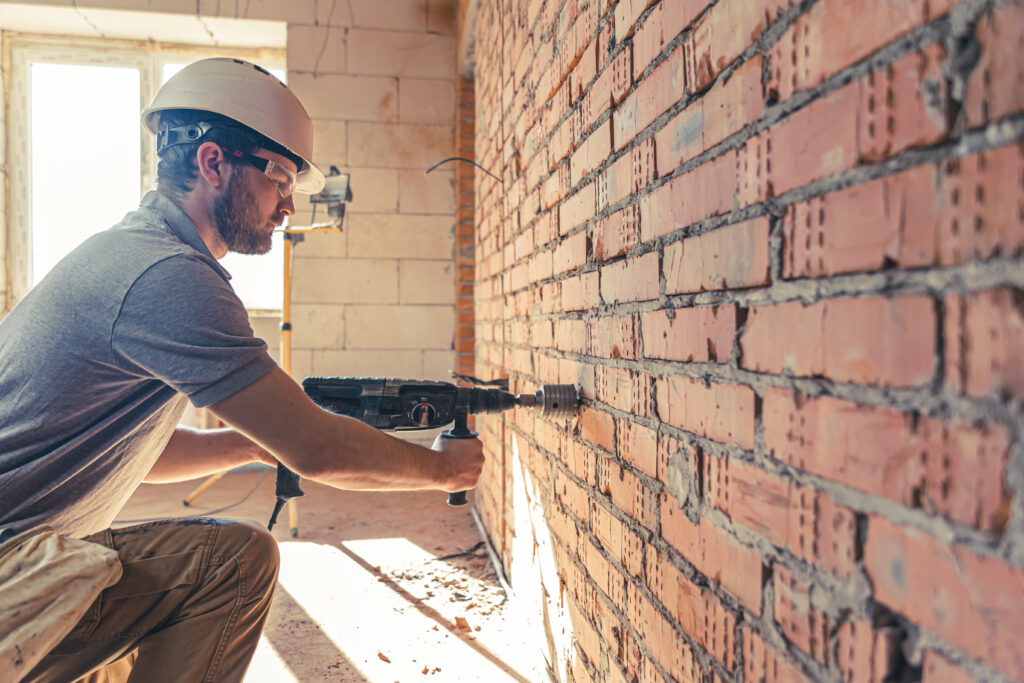
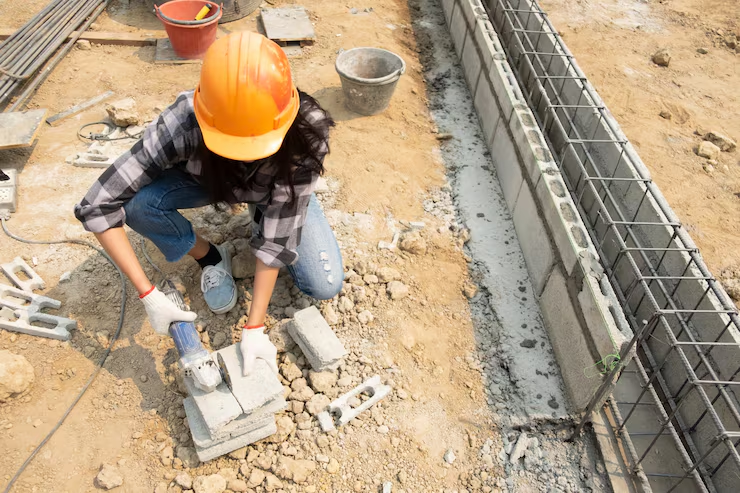
Exterior foundation work follows a fairly consistent order, though the details shift with the site. Access and excavation come first, working down to the footing in manageable sections rather than opening the whole wall at once. Around Wrentham’s older farmhouses and the newer builds off King Street, plantings, walkways, or hardscape close to the foundation usually have to come out before digging starts, and we discuss upfront what can be saved and reset versus what will need replacing.
Once the wall is exposed, it gets inspected and treated section by section; a crumbling or bowing stretch of fieldstone needs different attention than a wall that is just letting water through sound joints. Drainage goes in next, along with backfill using material that will not simply resaturate against the wall the way the original soil has been doing for decades.
- Footing and wall inspected in open sections
- Drainage and proper backfill installed
- Grading reinstated to carry water away from the house
Each phase is checked before the next begins, so problems get addressed rather than buried again.
The work, in order
Access Decides the Approach
On long, wooded, or lakeside Wrentham lots, whether a machine can reach the affected wall section often decides the whole plan.
Protecting What Surrounds the House
Mature trees, stone walls, and plantings close to an older Wrentham foundation often sit exactly where excavation needs to happen.
Backfill That Does the Job
Reusing the original wet-holding soil against a treated wall defeats the purpose.
Grading After the Dig
Once the trench closes, the surrounding grade needs a deliberate slope away from the house. On flat or low-lying sections of a lot, this step carries as much weight as the wall repair itself.
When the Drive Has to Move
If a driveway or walkway in Wrentham sits over the dig line, it has to come up before excavation and gets reinstated afterward, matched to grade and material.
Regrading and Restoring the Surface
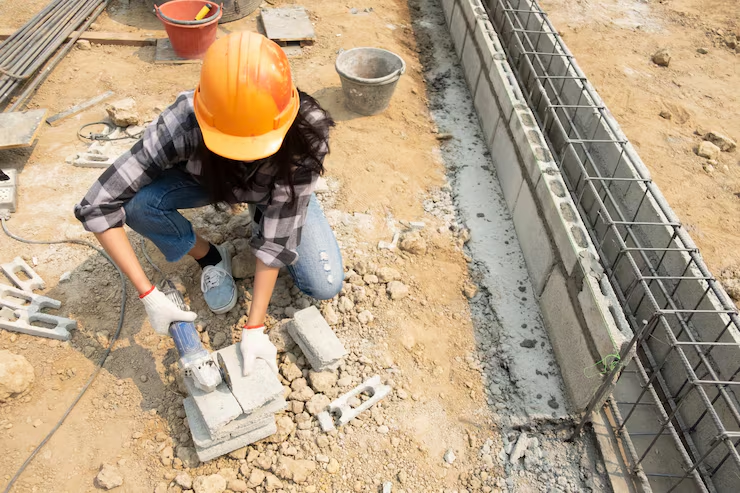
Once the wall and drainage work is complete, attention shifts to what sits above ground. On a lot that falls toward the house, or where a drive or walkway runs close to the excavated wall, regrading is not optional. The final slope has to move water away from the foundation permanently, not just until the next heavy storm resettles the soil.
If a driveway, walk, or patio sits directly over the trench line, it has to be removed before digging and reinstated once backfill and grading are finished. On older Wrentham properties, where a gravel or asphalt drive often runs close to the house because the lot was laid out long before modern setback habits, this step is frequently unavoidable rather than optional. We plan for it upfront so there are no surprises once the wall is already open.

What to Check Before You Call
Before anyone comes out, a homeowner can gather useful information with very little effort. Note where the water shows up inside, which wall and roughly what height, and whether it tracks with specific weather, heavy rain, spring thaw, or a particular storm direction. Photograph any exterior cracking, bowing, or crumbling mortar, and note how close trees, downspouts, or sloped ground sit to that section of wall.
That record helps narrow down whether the issue is isolated to one wall section or tied to broader grading across the lot, and it saves time once we are looking at the site in person.
If you are seeing water, damp, or movement around an older foundation in Wrentham, the next step is a look at the actual wall and the ground around it. Call Driveway Specialists at (413) 337-3772 to talk through what you are seeing and arrange a visit.
What to check and write down first
These are the pointers that help most before anyone visits.
- Note where and when. Which wall, which corner, and whether it follows heavy rain, snowmelt or a particular season.
- Photograph it dry and wet. Take pictures of the same spot on a dry day and again after rain.
- Look at the outside. Check whether the ground beside that wall slopes toward the house, whether a downspout empties near it, and whether anything piles water against it.
- Check for movement. Look for horizontal cracks, a wall that leans in, or stones that have shifted. Mark the ends of a crack with a pencil and date it, so changes can be seen.
- Check the stonework. Press on the mortar. If it crumbles or sands away, say so.
- Think about access. Where could a machine stand, and what is in its way? Tell us who shares the drive or boundary.
- Leave it as you found it. Do not seal or patch the wall before we see it. It hides what we need to look at.
Questions we get asked
Is this the same crew that does driveway paving?
No. Foundation excavation and drainage work is a separate trade from paving. We handle both, but they're planned and priced as distinct jobs because the work itself is different.
Can this be fixed from inside the basement?
Interior sealants and drainage systems manage water once it's already inside, but they don't stop it moving through an old wall. A lasting fix addresses the outside of the wall and the drainage around it.
Will my driveway or walkway need to come up?
Only if it sits over the section being excavated. We assess this during the site visit and plan removal and reinstatement as part of the job if it's unavoidable.
What should I document before calling?
Note where water appears inside, what weather triggers it, and photograph any exterior cracking or bowing. This helps us understand the problem before we're on site.
Does tree cover make this worse in Wrentham?
Often, yes. Wooded and lakeside lots tend to hold damp soil longer, which keeps pressure against an older foundation wall for longer stretches after rain or snowmelt.
Next step
Call us on (413) 337-3772. Tell us which wall, what you have seen, and how the lot slopes around it. We have worked across Middlesex County since 1988, and we will tell you plainly what is likely going on and whether outside work is the right answer.