
Stone Foundation Waterproofing in Weston MA
Water coming through a basement wall after heavy rain, a damp corner that never fully dries out even in August, a section of fieldstone bowing inward, or a musty smell that gets worse every spring: these are not finish problems. They are signs that the wall itself is letting water through, and on a lot of Weston’s older houses that is exactly what is happening.
Many Weston properties sit on fieldstone or rubble stone foundations built long before anyone used a membrane or a perimeter drain. The wall was built dry-stacked or with lime mortar, set directly against native soil, and left to do its job for a hundred years with nothing behind it to stop groundwater. On the estate-scale lots common here, that soil is often disturbed by grade changes, long driveways cut through woods, and drainage patterns nobody mapped when the house was built. Water finds the wall.
Why water moves through the wall, not under it
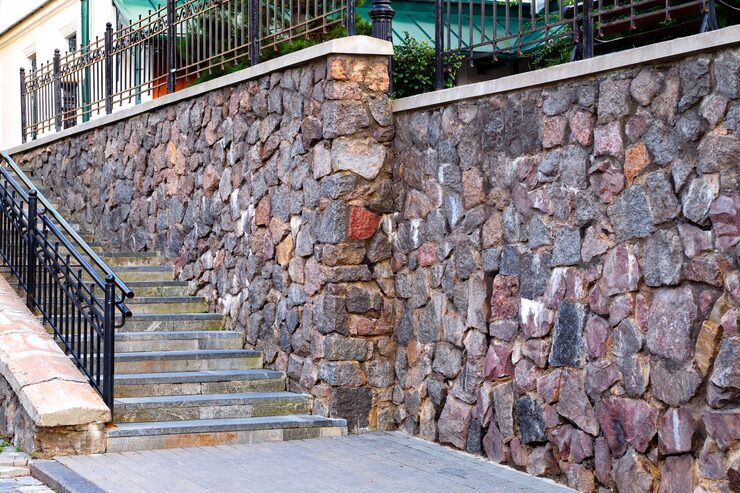
A poured concrete foundation can fail at a crack or a cove joint. A fieldstone wall is different: it is porous by nature. Water in the surrounding soil migrates through the gaps between stones and through the mortar itself, especially where the mortar has aged, leached lime, or simply crumbled away. There is no single leak to chase. The whole wall is the entry point, which is why patching the inside rarely holds for long.
Interior sealants and coatings address the symptom. They stop water appearing on the inside face of the wall, but they do nothing about the water still moving through the stone, which keeps pushing, keeps freezing and thawing in the joints, and keeps the wall wet behind the paint. The actual cause sits outside, in the soil against the foundation, and that is where the fix has to happen.
Exterior work means excavating down to the footing on the affected side, cleaning and repointing or parging the wall face, applying a membrane or coating suited to stone rather than poured concrete, and installing drainage that carries water away before it reaches the wall at all. It is more disruptive and more involved than an interior fix, and it should be, because it is treating the actual cause rather than covering it over.
On a Weston lot, the first real question is not the wall at all. It is whether equipment can reach the side of the house that needs the work. A long private drive through trees, a drop in grade from the road to the foundation, or a section of ledge near the excavation line can all change what is practical before anyone touches the stone.


What Our Clients Say

Access Decides the Approach
On the kind of lots common in Weston, the wooded, long-driveway, significant-grade kind, the first site visit is really about access. Can a mini excavator get down the drive and around to the affected wall, or does material have to be moved by hand across lawn, planting beds, or a stretch of ledge? That answer shapes the timeline, the equipment, and what gets disturbed along the way, often more than the condition of the wall itself.
What Happens to the Ground Around the House
Excavating against a stone foundation means digging a trench along the wall, deep enough to expose the footing, which usually takes out whatever is planted there: mature shrubs, foundation beds, sometimes an edge of lawn or a section of walkway. On older Weston properties this ground has often settled into place over decades, stone edging, old root systems, even buried drain lines from past repairs, so it is worth knowing before work starts that all of it will be disturbed. Established plantings close to the wall rarely survive the dig undamaged, and spoil from the trench has to go somewhere, usually piled on the adjacent lawn or driveway for the duration of the job. Any paved or planted surface within reach of the excavation gets reinstated afterward with new soil and grading, not necessarily restored to its exact prior state, so it helps to discuss expectations for the yard before digging begins.

The Work in Sequence
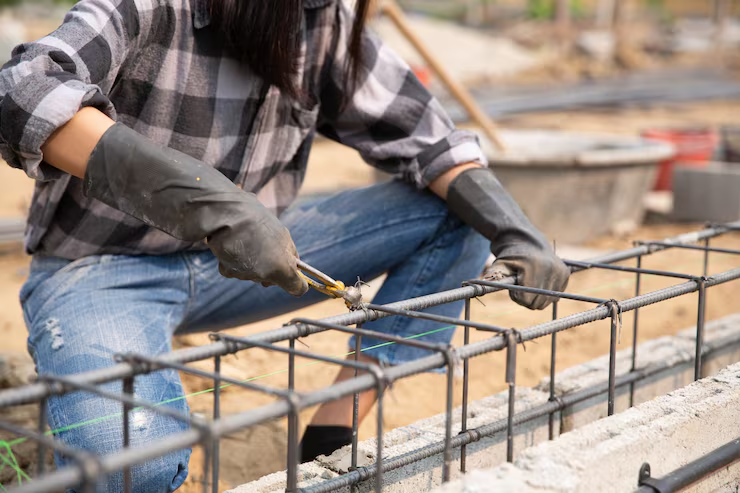
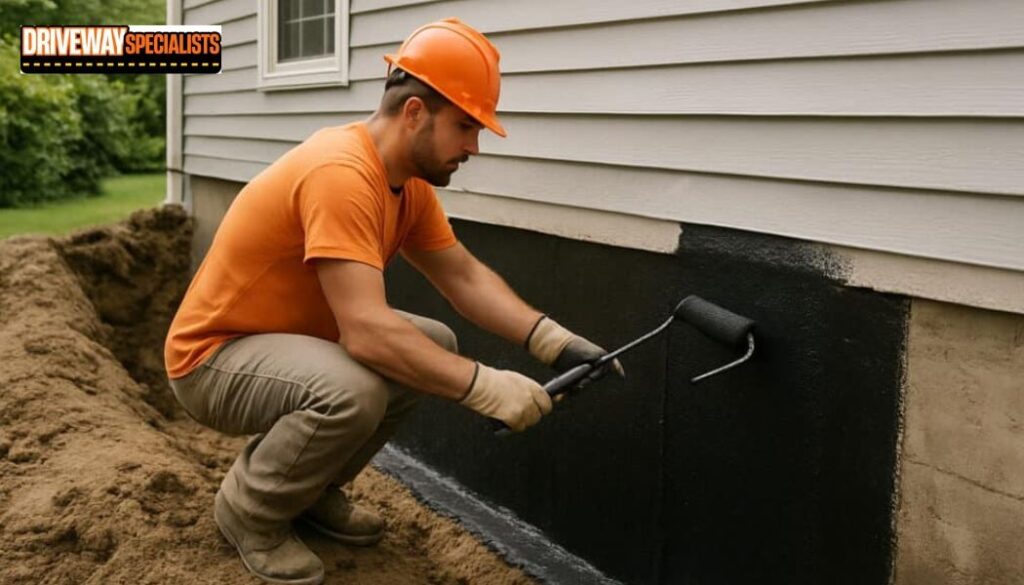
The sequence is straightforward even when the site is not, and on Weston's older stone-walled homes, each step matters more than it would on a standard concrete foundation. Excavation exposes the wall down to the footing, often revealing fieldstone laid with lime mortar that has softened over decades. That stone gets cleaned by hand, loose mortar raked out and repointed, and a membrane or coating applied that is matched to fieldstone rather than poured concrete, since the two surfaces absorb and shed moisture differently. A perimeter drain goes in at the footing to carry water to a discharge point well away from the house, which matters on Weston lots where clay subsoil and ledge can trap groundwater close to the wall. Backfill goes back in layers with clean drainage stone against the foundation rather than the original soil, which is part of why the fix outperforms what was there before.
The work in sequence
Access and excavation
We locate the affected wall, clear a route to it and dig down to the footing. On a sloped lot the excavation also has to be supported so the ground above does not move. Digging exposes the real condition of the wall, which can differ from what the inside suggested.
Planting and hardscape
Shrubs, beds, steps and walks along the foundation are in the way of the trench. Some can be lifted and replanted. Some will not survive the move, and stone or paved surfaces are taken up and set aside or replaced. We will walk the area with you before any digging so you know what is staying and what is not.
Wall treatment
Once exposed, the wall is cleaned and assessed. Loose stone is reset and failed mortar is cut out and repointed. A membrane is applied to the outside face so water meets a barrier instead of an open joint. How much repair a wall needs depends on how much it has deteriorated, and that is rarely known until it is open.
Drainage and backfill
At the base of the wall, a drain carries water away from the footing to somewhere it can safely go. On a hillside lot, where that is can be the hardest question on the job. Backfill goes in with material that lets water pass down to the drain rather than pooling against the wall.
Reinstating the ground
The soil is graded back so that water runs away from the house. This is where the surface above the repair matters most.
Before Anyone Comes Out
Before scheduling a visit, note which wall and which corner the water or damp shows up on, whether it tracks with rainfall, snowmelt, or a specific storm pattern common to Weston's clay-heavy soil, and photograph the area over a few weeks if you can. Check whether downspouts and grading near that corner are pushing water back toward the foundation rather than away from it, since that's often part of the story on older stone walls. That record, plus a look at the grade, landscaping, and access on your specific lot, is what lets us give you an honest answer on scope and real options.
Pointers before anyone comes out
Most of this is observation, and it makes any visit more useful.
- Note when it happens. Is it after heavy rain, after snowmelt, or all the time? The pattern points to where the water is coming from.
- Photograph it. Take photos of the wall, the floor and the staining, with something for scale. Date them and repeat after the next rain.
- Mark the spot. Note which wall and which corner. Match it to the outside: which side of the house, and what is above it.
- Walk the outside. Look at where gutters discharge, which way the ground slopes at the foundation, and whether water pools after rain.
- Check the downspouts. Water dumped beside the wall adds to the load. Make sure they are not blocked or emptying near the foundation.
- Look at the stone and mortar. Powdery mortar, bulging or gaps are worth recording. Do not poke at a bowing section.
- Clear what you can. Move stored items away from affected walls so they can be seen and reached.
- Think about access. Where could a machine come in? Is anything shared with a neighbour?
Questions we get asked
Is this the same crew that does paving and driveway work?
Foundation waterproofing is a separate trade from paving. The excavation, wall treatment, and drainage work described here is handled distinctly from driveway and hardscape projects, even when both touch the same property.
Will fixing the foundation wall guarantee a dry basement?
Exterior excavation, repair, and drainage address the known cause of water moving through a stone wall. No contractor can promise a specific outcome for every basement, since each house and site is different, but treating the cause is the right approach versus masking it from the inside.
How do you deal with ledge or tight access on a wooded Weston lot?
It depends on what the site visit finds. Some lots allow a small excavator down a driveway with minor adjustments; others require hand-digging sections or a different equipment approach where ledge or trees limit the path. This gets assessed before any work is scoped.
What happens to my landscaping near the foundation?
Plantings and ground cover directly along the excavation line are typically removed or disturbed during the dig. The area is regraded and reinstated once the wall and drainage work are complete, but established beds close to the wall should be expected to need replanting.
Do you only work on fieldstone foundations, or also brick and poured concrete?
Older Weston homes most often have fieldstone or rubble stone foundations, which behave differently from poured concrete and need a different wall treatment. Call to discuss what your specific foundation type needs.
Next step
If water is coming through an older stone foundation in Weston, we will come and look at the wall and the way in. We have worked on homes like yours for 35+ years, and the family has been doing it since 1988.