
Foundation Work in Belmont, MA
Water through the wall, a bowing section, or a corner that is wet every spring
Maybe the damp patch comes back after every repaint. Maybe a section of the basement wall has started to lean inward, or the mortar is turning to sand under your thumb. Maybe one corner floods each spring and dries by summer, so you tell yourself it is nothing.
It is usually the same problem showing up in different ways. Water is getting to the foundation and the foundation has no way to deal with it.


What Our Clients Say
What is happening inside the wall
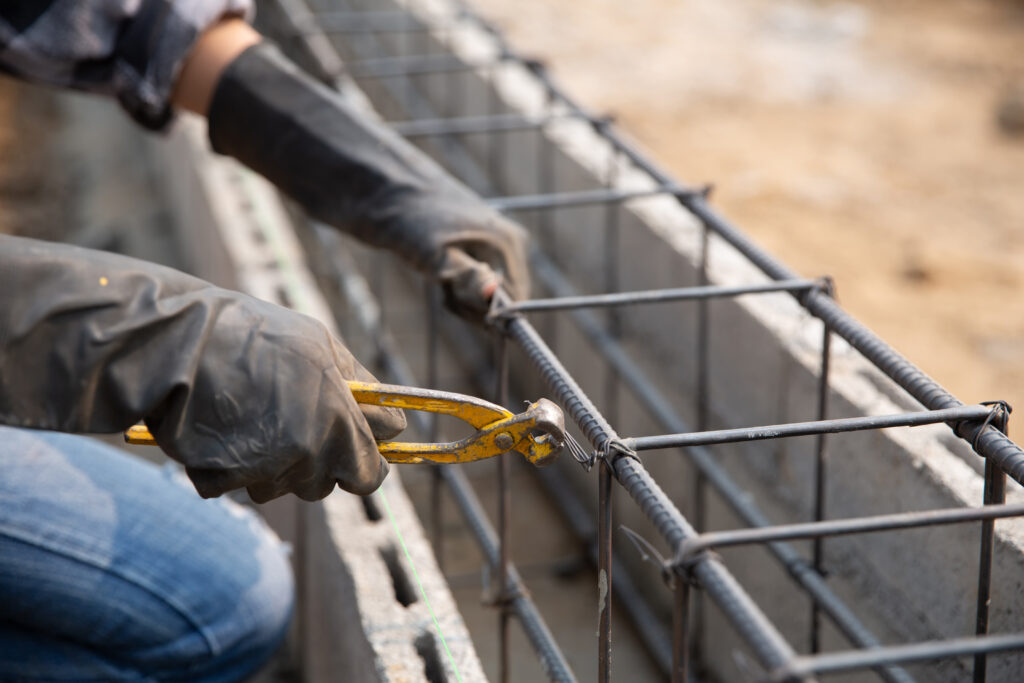
Many older Belmont houses sit on fieldstone or rubble walls. Those walls were built before foundation membranes and perimeter drains existed. The stones are bedded in lime or sand mortar, and the joints between them are the weak point.
Water does not need to come up from underneath. It arrives from the side, through the wall itself. Rain soaks the ground against the foundation, the soil holds that water, and the water pushes through the joints. Over many winters, freezing water in those joints opens them wider. The mortar loses its grip, and the wall starts to let go.
On a hillside lot this is worse. Surface water runs downhill and meets the uphill side of the house. That wall is holding back wet soil and taking pressure from it. A bowing wall is often on the uphill side for this reason.
Why the fix is outside
Interior coatings and sealers sit on the dry face of a wall that is wet behind it. They can hide the symptom for a while. They do not stop water from reaching the stone, and the freezing and softening of the joints carries on out of sight.
Exterior work goes to the cause. We dig down along the affected wall, expose it, repair it, protect it and give the water somewhere to go. Then the ground goes back.
The honest trade-offs are these. It costs more than an interior treatment. It is disruptive, because there is a trench along your house for a period, and anything planted or built beside the wall has to move. We would rather tell you that now than have you find out when the machine arrives.
The work, in order
Access and excavation
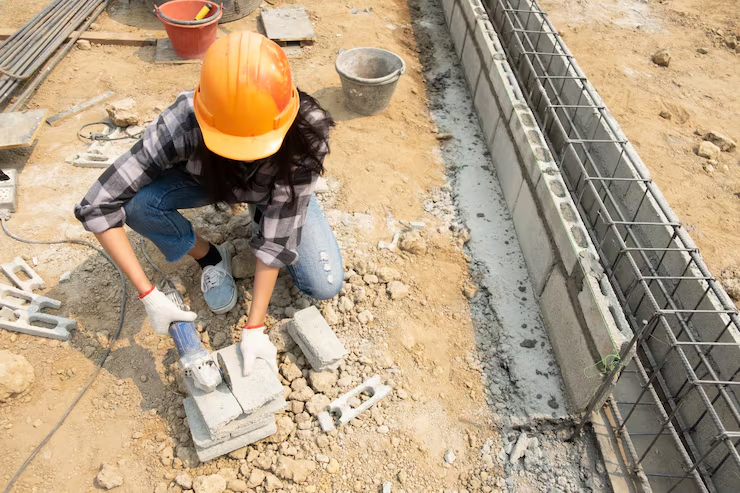
We confirm how a machine reaches the wall and where the soil will sit while the trench is open. Digging is careful near an old foundation. The wall may be doing more work than it looks, and we do not undermine it.
Planting and hardscape
Shrubs, steps, a path or a patio beside the wall may need to come out and go back. We tell you what is in the way before we start, so there are no surprises.
The wall treatment
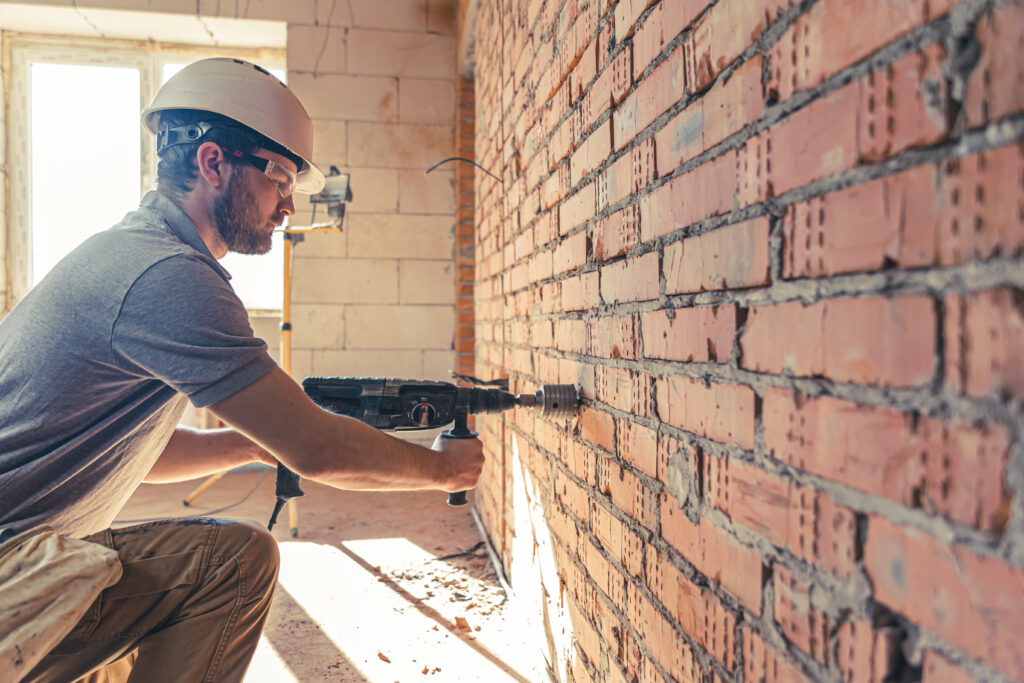
Once the wall is exposed we can see what we are dealing with. Failed joints are repaired. Loose stone is dealt with. The wall is then given a protective layer on its outside face, so water meets that layer rather than the stone and mortar.
Drainage and backfill
Reinstating the ground
The soil goes back, the ground is shaped to fall away from the house, and your planting and hardscape are reinstated as agreed.
Access decides the approach
On Belmont’s steep lots, the first question is whether a machine can reach the affected side of the house at all. A hillside may be too steep or too narrow for it. A two-family with a shared drive means the machine and the soil may have to cross ground that belongs partly to a neighbour, so they need to know before we arrive. Where the frontage is tight and the apron meets the sidewalk directly, there may be no space at the front to stage anything.
When a machine cannot get in, the work changes. More of it is done by hand, soil is moved in smaller loads, and the job takes more effort. We look at access first because it shapes everything else, including how disruptive the job will be for you and your neighbours.

Regrading, and what happens at the surface afterwards
Sometimes the problem is not the wall but the slope of the ground beside it. If soil, a walk or a paved area falls toward the house, it feeds water straight to the foundation. In that case, regrading comes before any wall repair, because repairing a wall that is still being flooded only buys time.
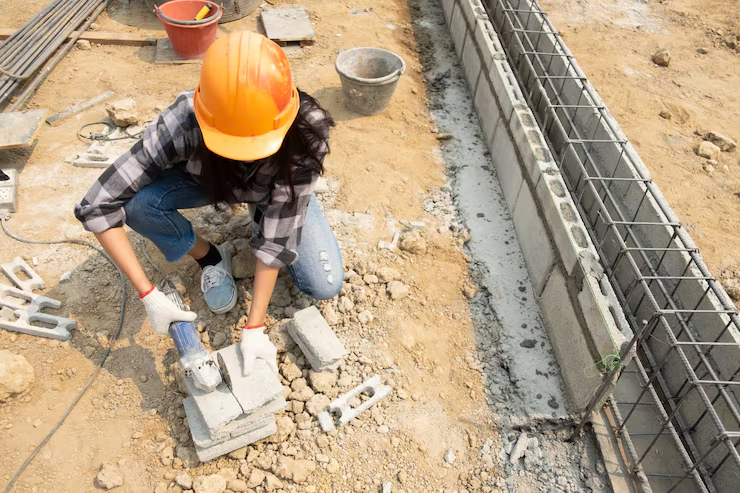
If a drive or walk has to come up to reach the wall or to correct the fall, it is cut back, the ground is reshaped, and the surface is put back so that it carries water away from the house. We agree how far it comes before work starts.
What to check and write down first
These are the pointers that help most before anyone visits.
- Note where and when. Which wall, which corner, and whether it follows heavy rain, snowmelt or a particular season.
- Photograph it dry and wet. Take pictures of the same spot on a dry day and again after rain.
- Look at the outside. Check whether the ground beside that wall slopes toward the house, whether a downspout empties near it, and whether anything piles water against it.
- Check for movement. Look for horizontal cracks, a wall that leans in, or stones that have shifted. Mark the ends of a crack with a pencil and date it, so changes can be seen.
- Check the stonework. Press on the mortar. If it crumbles or sands away, say so.
- Think about access. Where could a machine stand, and what is in its way? Tell us who shares the drive or boundary.
- Leave it as you found it. Do not seal or patch the wall before we see it. It hides what we need to look at.
Questions we get asked
Can't I just treat it from inside?
An interior treatment deals with water after it has come through. It does not stop the wall from taking on water or the joints from deteriorating. For a wall that is only damp, it may be a reasonable short-term measure. For a wall that is failing, the cause is outside.
Will the work leave my basement dry?
We do not promise that. Water behaves differently on every lot, and it depends on the house, the ground and the weather. What exterior work does is deal with the cause rather than the symptom.
How long will the trench be open?
That depends on how much of the foundation is affected, how the ground behaves once it is open, and how easily we can get machinery in. We give you a realistic picture once we have seen the site.
Do I need to move my plants and steps?
Anything within reach of the trench probably does. We walk the wall with you and agree what comes out and what goes back.
Does a shared drive complicate things?
It can. If the machine or soil has to use ground you share, your neighbour should know in advance. We can talk through how to approach it.
What if a machine can't reach the wall?
Then the job is planned differently, with more hand work and smaller loads. It is slower and more demanding, but not usually impossible.
Next step
Call us on (413) 337-3772. Tell us which wall, what you have seen, and how the lot slopes around it. We have worked across Middlesex County since 1988, and we will tell you plainly what is likely going on and whether outside work is the right answer.